

The rat tailed maggot is one of the most unusual insect larvae found in freshwater and wet environments. It is the immature stage of certain hoverflies, mainly species from the Eristalis group. This fascinating creature gets its common name from the long, thin breathing tube attached to the rear of its body, which looks similar to a small rat tail. Although its appearance can seem alarming, this insect larva is generally harmless and plays an important role in natural ecosystems.
The most noticeable feature of the rat tailed maggot is its extended siphon, which works like a breathing snorkel. Unlike many other insect larvae that need oxygen directly from water, this larva can live in areas with very little oxygen because it stretches its breathing tube above the water surface. This special adaptation allows it to survive in places such as stagnant ponds, muddy water, compost areas, and locations with large amounts of decaying organic material.
What Is a Rat Tailed Maggot?
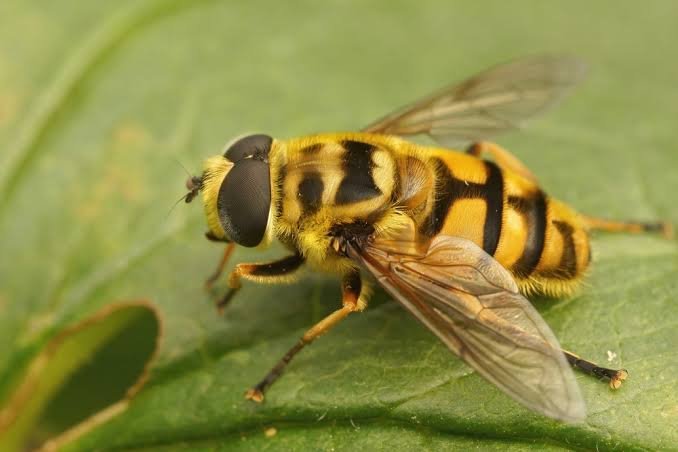
A rat tailed maggot is the aquatic larval stage of hoverflies, which belong to the family Syrphidae. These larvae are not true worms, even though their soft, elongated bodies may look similar to worms or other small creatures. They are actually young flies that go through several stages of development before becoming adult hoverflies that resemble bees.
The rat tailed maggot is best known for its unusual breathing system and ability to survive in challenging environments. The long tail-like structure at the back of its body is not used for movement or defense. Instead, it acts as a respiratory tube that allows the larva to collect oxygen from the air while remaining underwater. This feature makes it one of the most recognizable insect larvae in the world.
Rat Tailed Maggot Appearance and Identification Guide
Identifying a rat tailed maggot is usually easy because of its unique physical characteristics. The larva has a soft, pale-colored body that can range from white to grayish tones. Its body is slightly curved, and the most important identifying feature is the long telescoping breathing siphon attached to its rear end.
The length of the breathing tube can change depending on the environment and the needs of the larva. In some cases, the siphon may be short, while in others it can extend several inches to reach the surface of the water. This special structure helps separate the rat tailed maggot from mosquito larvae and other aquatic insects that do not have the same adaptation.
Many people first notice these larvae moving through dirty water or containers left outdoors. Their swimming movement and unusual tail often make them appear like small underwater creatures from another world. However, their strange appearance is simply a result of their unique survival method.
Rat Tailed Maggot Life Cycle Explained
The life cycle of the rat tailed maggot begins when adult hoverflies lay their eggs near suitable water sources. These areas usually contain organic materials that provide food for the developing larvae. After the eggs hatch, the young larvae enter the water and begin feeding on microorganisms, bacteria, and decaying matter.
During the larval stage, the rat tailed maggot grows and develops its special breathing siphon. This stage can last for different periods depending on temperature, food availability, and environmental conditions. Once the larva reaches full development, it leaves the water and enters the pupal stage before transforming into an adult hoverfly.
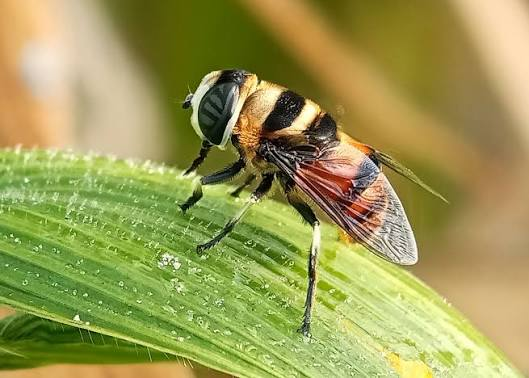
The adult hoverfly looks very different from the larva. Instead of living underwater, it flies around flowers and plants, where it helps with pollination. This transformation shows how a strange-looking aquatic larva becomes a useful insect that supports plant growth and biodiversity.
Habitat and Environment Where Rat Tailed Maggots Live
The rat tailed maggot is commonly found in wet areas with high levels of organic material. These environments often have low oxygen levels, making them unsuitable for many aquatic animals. However, the larva has adapted perfectly to these conditions by using its long breathing tube to access oxygen from the surface.
Common habitats include stagnant ponds, sewage-contaminated water, manure pits, compost areas, drainage systems, and water containers that collect organic waste. These locations provide plenty of food sources because bacteria and microorganisms grow quickly in decaying material.
Finding a rat tailed maggot often indicates that standing water has been present for some time. While these larvae are not dangerous, their presence can be a reminder to clean areas where water collects. Removing stagnant water and improving drainage can reduce the chances of seeing them around homes and gardens.
Are Rat Tailed Maggots Dangerous to Humans?
Many people become concerned when they discover a rat tailed maggot because its appearance can look unusual or unpleasant. However, these larvae are not aggressive and do not bite humans. They do not have stingers, poisonous features, or behaviors that make them harmful during normal contact.
The main concern is usually not the larva itself but the dirty environment where it may be found. Water containing decaying organic matter can support the growth of different microorganisms. For this reason, cleaning contaminated areas and avoiding contact with polluted water is a sensible precaution.
Although rare cases of accidental ingestion of fly larvae from contaminated food or water have been reported, such situations are uncommon. In normal outdoor conditions, encountering a rat tailed maggot is not considered a serious health threat.
Benefits and Ecological Importance of Rat Tailed Maggots
Although many people consider the rat tailed maggot strange, it actually provides several benefits to the environment. These larvae help break down organic materials by feeding on decaying substances, bacteria, and microorganisms. Through this process, they support natural recycling and nutrient movement within ecosystems.
The role of these larvae becomes even more valuable when they transform into adult hoverflies. Adult hoverflies are important pollinators that visit flowers and help plants reproduce. Some hoverfly species also help maintain ecological balance by supporting food chains and biodiversity.
Understanding the role of the rat tailed maggot helps people appreciate that not every unusual-looking insect is harmful. Many creatures that appear unpleasant at first have important jobs in nature and contribute to healthy ecosystems.
How to Remove Rat Tailed Maggots From Your Property
If rat tailed maggots appear in your garden, drain, or outdoor containers, the best solution is to remove the conditions that allow them to grow. These larvae usually appear where water remains still for long periods and collects organic material.
Start by emptying containers, cleaning blocked drains, removing excess compost waste, and improving water flow around your property. Covering rain barrels and keeping outdoor areas dry can also prevent suitable breeding conditions.
Chemical treatments are usually unnecessary for small infestations. In most cases, improving cleanliness and reducing stagnant water will naturally remove the environment that attracts these larvae. Maintaining a clean outdoor space is the simplest way to prevent future appearances.
Interesting Facts About Rat Tailed Maggots
The rat tailed maggot is an excellent example of insect adaptation and survival. Its ability to live in oxygen-poor water using a specialized breathing tube makes it one of the most interesting larvae studied by entomologists.
These insects are also a reminder that appearances can be misleading. While their name and shape may seem unpleasant, they are simply part of a natural life cycle that connects aquatic environments with flowering plants.
Some important facts about the rat tailed maggot include its transformation into a hoverfly, its role in breaking down organic matter, and its ability to survive in difficult habitats. Learning about these insects helps people better understand the hidden diversity of the natural world.
Conclusion
The rat tailed maggot is a fascinating insect larva with a unique appearance, unusual breathing system, and important role in nature. Although many people may feel surprised when they first see one, this creature is not dangerous and does not pose a major threat to humans.
From surviving in stagnant water to becoming a helpful pollinating hoverfly, the life cycle of this insect shows the incredible adaptations found in nature. Understanding its habitat, identification features, and ecological importance allows people to recognize the rat tailed maggot as a valuable part of the environment rather than simply an unwanted pest.
Frequently Asked Questions
What is a rat tailed maggot?
A rat tailed maggot is the larval stage of certain hoverflies. It has a long breathing tube that helps it survive underwater.
Why does a rat tailed maggot have a tail?
The tail is actually a breathing siphon that allows the larva to take oxygen from the air while living in water.
Are rat tailed maggots harmful to humans?
No, rat tailed maggots are generally harmless and do not bite, sting, or attack people.
Where can rat tailed maggots be found?
They are commonly found in stagnant water, compost areas, drains, manure pits, and places with decaying organic material.
Do rat tailed maggots become flies?
Yes, they develop into adult hoverflies after completing their larval and pupal stages.
How can I prevent rat tailed maggots?
Removing stagnant water, cleaning outdoor areas, and reducing organic waste can help prevent them from appearing.
You May Also Read: Peru Flag