

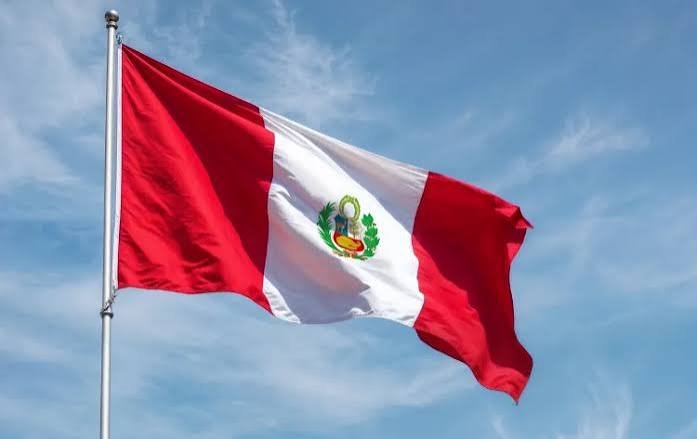
The Peru flag is one of the most meaningful national symbols in South America, representing the country’s independence, culture, history, and identity. Its simple red and white design carries deep historical importance and reflects the struggles and achievements of the Peruvian people. The flag is displayed proudly during national celebrations, government events, and cultural activities throughout Peru and around the world.
The Peru flag is not only a symbol of a country but also a representation of unity and pride among Peruvians. From its early designs during the independence movement to its modern official appearance, the flag has continued to preserve Peru’s historical story. Learning about its colors, symbols, and evolution provides a better understanding of Peru’s rich traditions and national values.
History of the Peru Flag From Independence to Modern Times
The history of the Peru flag is closely connected with the country’s journey toward independence. The first national flag was created in 1820 by General José de San Martín, a key leader in the South American independence movement. This early design marked an important moment when Peru began building its own national identity after years of Spanish colonial rule.
Over time, the design of the Peru flag went through several changes before reaching its current form. After Peru officially gained independence, leaders worked to establish a flag that represented the nation’s freedom and values. The modern version was officially adopted in 1825 and has remained an important symbol of Peru’s history and independence for nearly two centuries.
Peru Flag Design and Official Appearance
The Peru flag has a simple but recognizable design featuring three vertical stripes arranged in a red, white, and red pattern. The two outer red stripes surround a central white stripe, creating a balanced appearance that represents the nation’s identity. The design is known worldwide because of its clean and powerful visual style.
The official proportions of the Peru flag follow specific standards to maintain consistency during public and international displays. The civil version used by ordinary citizens contains only the three vertical stripes. Government buildings and official institutions often use versions that include Peru’s national coat of arms placed in the center of the white stripe.
Meaning of Peru Flag Colors and Symbolism
The colors of the Peru flag have important meanings connected to the nation’s history and values. The red stripes represent the courage, sacrifice, and dedication of the people who fought for Peru’s independence. These colors honor the bravery of national heroes who helped create a free and independent Peru.
The white stripe in the center of the Peru flag symbolizes peace, purity, and justice. Together, the red and white colors represent the hopes and principles of the Peruvian nation. These colors have become deeply connected with Peru’s cultural identity and continue to inspire feelings of patriotism among citizens.
Different Versions of the Peru Flag and Their Uses
The Peru flag exists in different versions depending on where and how it is used. The civil flag, known as Bandera Nacional, is the most common version and is used by citizens in homes, schools, and public celebrations. It features the traditional red-white-red vertical stripe design without additional symbols.
The state flag, called Pabellón Nacional, includes the national coat of arms in the center of the white stripe. This version is commonly used by government offices and official organizations. Another version is the war flag, which is connected with Peru’s armed forces and includes military-related symbols for official defense purposes.
Peru Flag Coat of Arms and Its National Symbols
The official Peru flag used by government institutions features the national coat of arms, which contains important symbols representing the country’s natural resources, wildlife, and economic strength. Each part of the coat of arms tells a story about Peru’s environment and cultural heritage.
The shield includes a vicuña, which represents Peru’s unique wildlife and natural beauty. It also contains a cinchona tree, symbolizing valuable plants and resources, especially the importance of quinine. The cornucopia filled with coins represents Peru’s mineral wealth and prosperity. Together, these symbols highlight the country’s natural advantages and historical importance.
Peru Flag in Culture and National Celebrations
The Peru flag plays a major role in national celebrations and cultural traditions. During Peru’s Independence Day celebrations in July, streets, homes, and public buildings are decorated with flags as citizens show respect and pride for their nation. The flag creates a strong connection between Peru’s history and modern society.
Schools, government offices, and communities regularly display the Peru flag during important events. It is also seen during international sports competitions, cultural festivals, and official ceremonies. For many Peruvians, the flag represents family traditions, national unity, and a shared connection to their country’s past and future.
Interesting Facts About the Peru Flag
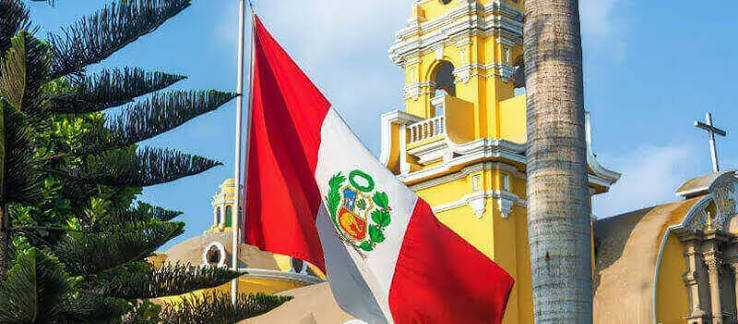
The Peru flag has many interesting facts that make it unique among national flags around the world. Although its design appears simple, the flag carries centuries of history and represents important moments in Peru’s development. It remains one of the most recognized symbols of the country.
Some interesting facts about the Peru flag include its official adoption in the nineteenth century, its connection with independence movements, and the different versions used by citizens and government organizations. The flag’s red and white colors have remained unchanged for generations, showing the lasting importance of national traditions.
Peru Flag Compared With Similar Flags Around the World
The Peru flag shares some visual similarities with other national flags because it uses a red and white color combination. One example is the flag of Austria, which also includes red and white colors. However, the arrangement, history, and meaning behind each flag are completely different.
The uniqueness of the Peru flag comes from its connection to Peru’s independence, culture, and national symbols. While other countries may use similar colors, Peru’s flag has its own story and identity. The meaning behind its design makes it an important representation of the Peruvian people and their heritage.
Importance of the Peru Flag Today
Today, the Peru flag continues to serve as a powerful symbol of national pride and unity. It represents the country’s historical journey, cultural traditions, and the achievements of its people. Whether displayed during official events or personal celebrations, the flag remains an important part of Peruvian life.
The Peru flag also helps introduce Peru’s history and culture to people around the world. Its design reflects important national values such as courage, peace, and independence. By understanding the meaning behind the flag, people can gain greater appreciation for Peru’s traditions and the story of its people.
Conclusion
The Peru flag is much more than a national symbol with red and white colors. It represents centuries of history, the struggle for independence, cultural pride, and the unity of the Peruvian people. From its creation during the independence movement to its modern use today, the flag has maintained its importance.
Understanding the Peru flag helps people discover the country’s history, values, and traditions. Its colors, designs, and symbols tell a powerful story about Peru’s past and present. As a symbol of national identity, the flag continues to inspire pride and respect among Peruvians worldwide.
FAQs
What do the colors of the Peru flag represent?
The red colors represent courage, sacrifice, and the heroes of Peru’s independence, while white represents peace, purity, and justice.
When was the Peru flag officially adopted?
The modern Peru flag was officially adopted in 1825 after Peru gained independence.
Who created the first Peru flag?
General José de San Martín created the first Peru flag in 1820 during the independence movement.
Why does the Peru flag have red and white colors?
The red and white colors represent important national values and the history of Peru’s independence.
What does the Peru flag coat of arms represent?
The coat of arms represents Peru’s wildlife, natural resources, and mineral wealth through symbols like the vicuña, cinchona tree, and cornucopia.
How many versions of the Peru flag are there?
The main versions are the civil flag, state flag, and war flag, each used for different purposes.
Why is the Peru flag important?
The Peru flag represents national pride, independence, cultural identity, and unity among the people of Peru.
You May Also Read: Danube River