

The Danube River is one of the most remarkable waterways in Europe, known for its long journey across multiple countries, historic cities, and diverse natural landscapes. It has played a major role in shaping European culture, trade, transportation, and environmental systems for thousands of years. From ancient civilizations to modern communities, the river continues to connect people and places.
The beauty of the Danube River comes from its unique combination of history and nature. Travelers, researchers, and geography lovers explore this famous river to understand its importance. With its impressive route, famous landmarks, and rich ecosystem, the river remains one of the most valuable natural resources in Europe.
What Is the Danube River?
The Danube River is the second-longest river in Europe and one of the most important rivers in the world. It begins in Germany’s Black Forest region, where two smaller streams, the Brigach and Breg, join together to form the main river. From there, it flows eastward across Europe before reaching the Black Sea.
The Danube River covers a distance of around 2,850 kilometers and passes through several different landscapes. The river moves through mountains, valleys, forests, and fertile plains, supporting many communities along its route. Its water system provides benefits for transportation, agriculture, tourism, and wildlife conservation.
Danube River Map and Complete Route
A Danube River map shows the impressive journey of this European waterway from its source in Germany to its final destination at the Black Sea. The river travels through Central and Southeastern Europe, creating a natural connection between different nations and regions.
The route of the Danube River helps people understand its geographical importance. It crosses major European areas and connects important cities, making it one of the most valuable waterways for travel and trade. The river’s path also includes the famous Danube Delta, a large wetland area with exceptional biodiversity.
Countries Connected by the Danube River
The Danube River flows through ten countries, making it one of the most international rivers in the world. These countries include Germany, Austria, Slovakia, Hungary, Croatia, Serbia, Romania, Bulgaria, Moldova, and Ukraine. Each country has a unique relationship with the river.
The river supports economic growth and cultural exchange among these nations. Many communities depend on the Danube River for shipping, fishing, farming, and tourism. Because it connects so many countries, the river represents cooperation and shared responsibility for protecting natural resources.
Major Cities Along the Danube River
Many famous European cities are located along the banks of the Danube River. Some of the most well-known cities include Vienna, Budapest, Bratislava, and Belgrade. These cities have developed strong cultural and historical connections with the river over centuries.
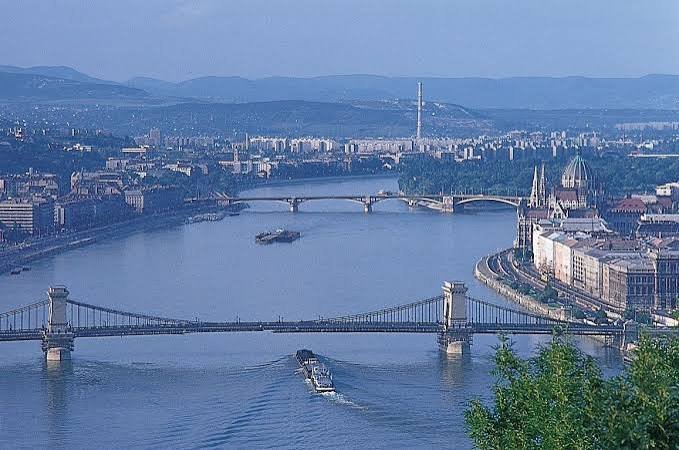
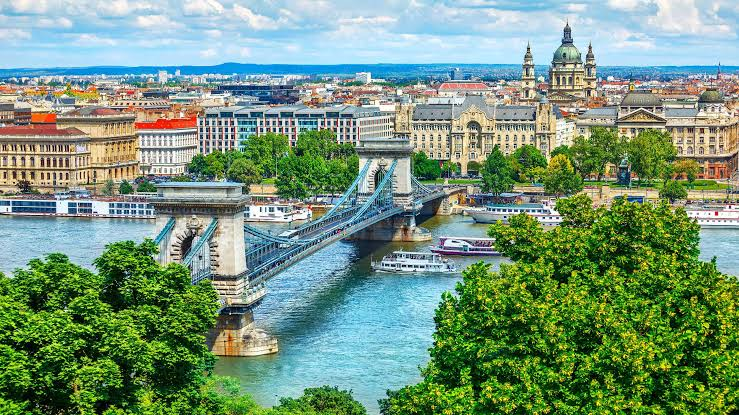
Budapest is one of the most popular destinations along the Danube River because of its stunning views, historic bridges, and riverside attractions. Vienna also has a close relationship with the river, while Bratislava and Belgrade offer visitors unique experiences filled with history, architecture, and local traditions.
History and Cultural Significance of the Danube River
The history of the Danube River goes back thousands of years and is closely connected with the development of European civilizations. During the Roman Empire, the river served as an important border and helped protect Roman territories. It was also used as a major route for soldiers, merchants, and travelers.
Over time, the Danube River became a symbol of cultural connection between different societies. Many kingdoms and communities grew near its banks because the river provided water, transportation, and natural resources. Historical events, trade movements, and cultural exchanges have all shaped the identity of the regions surrounding the river.
Danube River Ecosystem and Natural Wildlife
The Danube River supports one of Europe’s richest ecosystems, providing habitats for many plants and animals. The Danube Delta, located near the Black Sea, is especially famous for its wetlands, lakes, and unique wildlife. It is home to hundreds of bird species, fish, and other aquatic creatures.
Protecting the natural environment of the Danube River is important because pollution, climate change, and human activities can affect the health of the ecosystem. Conservation projects across Europe focus on improving water quality and preserving the natural areas that depend on this important river system.
Danube River Cruises and Travel Experiences
The Danube River is one of Europe’s most popular destinations for river cruises. Many travelers choose cruises because they provide a relaxing way to explore multiple countries while enjoying beautiful landscapes, historic towns, and cultural attractions along the route.
A journey on the Danube River allows visitors to experience famous landmarks, traditional villages, and impressive European architecture. Popular cruise routes often include stops in cities such as Budapest, Vienna, and Bratislava. These experiences make the river a favorite destination for travelers who want history, nature, and adventure in one trip.
Interesting Facts About the Danube River
The Danube River has many fascinating facts that make it unique among the world’s major rivers. It is not only important for geography but also for history, economics, and environmental studies. The river has influenced human development for centuries.
Some important facts about the Danube River include:
- It is the second-longest river in Europe.
- It flows through ten different countries.
- It connects Central and Eastern Europe.
- It empties into the Black Sea through the Danube Delta.
- It supports one of Europe’s most important wetland ecosystems.
- It has been a major trade and transportation route for centuries.
Economic Importance of the Danube River
The Danube River plays a major role in the European economy. It provides a natural transportation route that allows ships to move goods between different countries. Industries use the river for shipping products, supporting trade connections across Europe.
The river also helps local economies through tourism and agriculture. Many communities along the Danube River benefit from visitors who come to explore historic cities, enjoy cruises, and experience natural landscapes. Its economic value makes protecting and managing the river extremely important.
Environmental Challenges Facing the Danube River
Although the Danube River is a valuable natural resource, it faces several environmental challenges. Pollution, industrial activities, climate change, and changing water levels can impact the river’s ecosystem and the communities that depend on it.
Many European organizations and governments work together to protect the Danube River. Conservation programs focus on reducing pollution, protecting wildlife habitats, and maintaining sustainable use of water resources. Preserving this river is important for future generations.
Conclusion
The Danube River is more than a waterway; it is a symbol of connection, history, and natural beauty in Europe. From its beginning in Germany to its final destination at the Black Sea, the river has supported civilizations, connected countries, and created unforgettable landscapes.
With its famous cities, rich history, important ecosystem, and economic value, the Danube River continues to attract people from around the world. Understanding its geography and significance helps us appreciate why this river remains one of Europe’s greatest natural treasures.
FAQs
Where does the Danube River begin and end?
The Danube River begins in Germany’s Black Forest region and ends in the Black Sea through the Danube Delta.
How many countries does the Danube River pass through?
The Danube River passes through ten countries, including Germany, Austria, Hungary, Serbia, Romania, and Ukraine.
Which famous cities are located along the Danube River?
Famous cities along the Danube River include Vienna, Budapest, Bratislava, and Belgrade.
How long is the Danube River?
The Danube River is approximately 2,850 kilometers long and is the second-longest river in Europe.
Why is the Danube River important?
The Danube River is important because it supports transportation, trade, tourism, agriculture, and wildlife conservation.
What is the Danube Delta?
The Danube Delta is a large wetland area where the river reaches the Black Sea and supports many species of plants and animals.
Can people travel on the Danube River?
Yes, many tourists travel on the Danube River through cruises that explore European cities, landscapes, and historic locations.
You May Also Read: Ireland Map