

Photosynthesis is one of the most fascinating natural processes because it allows plants to create their own food using sunlight. Understanding the photosynthesis equation in words makes this biological process easier to learn, especially for students studying science for the first time. It explains how simple substances combine to produce glucose, which fuels plant growth, while oxygen is released into the atmosphere.
The photosynthesis equation in words is an essential topic in biology lessons across primary schools, secondary schools, and GCSE courses. Unlike the chemical equation, the word equation uses everyday language, making it easier to understand and remember. Once you understand this equation, you gain a stronger appreciation of how plants support life on Earth and maintain a healthy environment.
What Is the Photosynthesis Equation in Words?
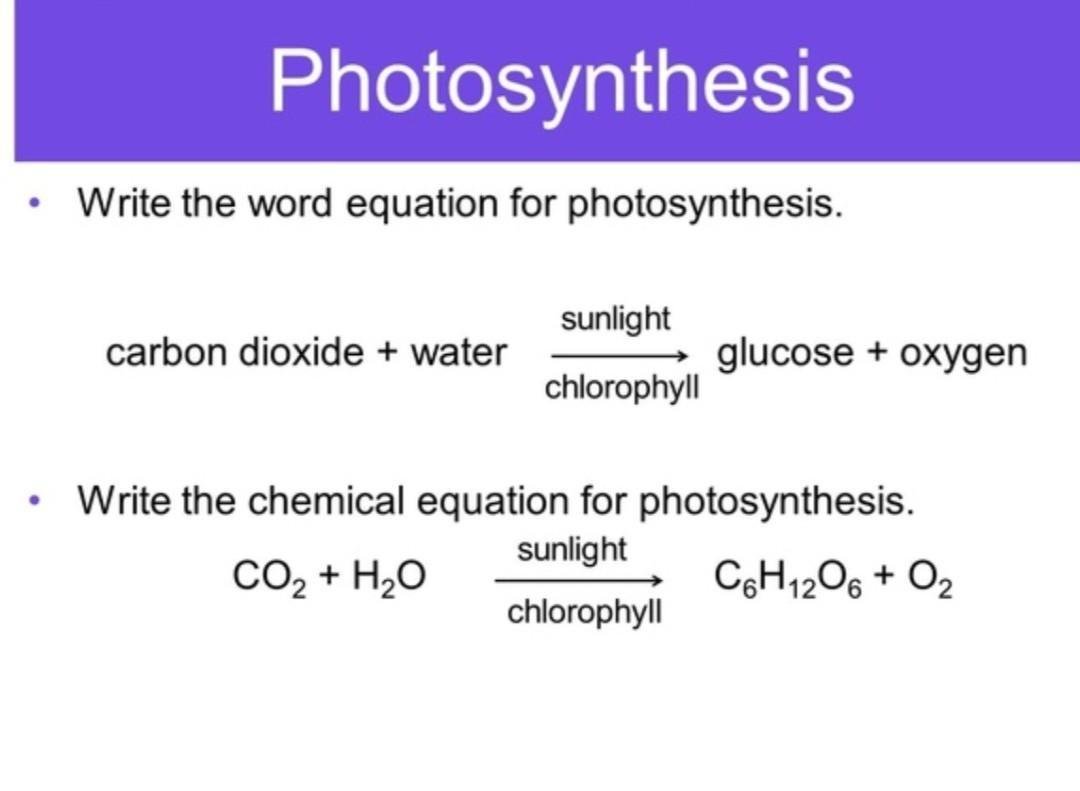
The photosynthesis equation in words is written as: Carbon dioxide + Water → Glucose + Oxygen. Although the equation is short, the reaction only takes place when sunlight provides energy and chlorophyll captures that energy inside the leaves. Without these essential elements, plants cannot produce the glucose they need to survive.
This word equation is designed to explain the process in a simple and accessible way. Rather than focusing on chemical symbols, it highlights the substances involved and the products created. Students often begin with the photosynthesis equation in words before progressing to the balanced chemical equation, helping them build confidence in biology.
Understanding Each Part of the Photosynthesis Equation
Carbon dioxide enters the plant through tiny pores called stomata, which are mostly found on the underside of leaves. Water is absorbed through the roots and transported upwards by specialised tissues. These two ingredients form the raw materials that plants require before photosynthesis can begin successfully.
Sunlight acts as the energy source, while chlorophyll, the green pigment inside chloroplasts, captures light energy efficiently. This energy converts carbon dioxide and water into glucose, a sugar used for growth and energy storage. Oxygen is produced as a by-product and released into the atmosphere, making plants vital for sustaining life.
Word Equation vs Chemical Equation
The photosynthesis equation in words explains the reaction using familiar language that is easy for beginners to understand. It focuses on the substances involved rather than the exact number of molecules. This approach is especially useful for younger learners who are developing their scientific knowledge step by step.
The balanced chemical equation is written as 6CO₂ + 6H₂O → C₆H₁₂O₆ + 6O₂. This scientific version provides precise molecular information and is commonly introduced in more advanced biology lessons. Both equations describe the same process, but each serves a different educational purpose depending on the learner’s level.
How Photosynthesis Works Step by Step
The process begins when roots absorb water from the soil and transport it to the leaves through the plant’s vascular system. At the same time, carbon dioxide enters through stomata and moves into specialised cells containing chloroplasts. These chloroplasts contain chlorophyll, which captures sunlight efficiently.
Using light energy, the plant combines carbon dioxide and water to produce glucose. The glucose supplies energy for growth, repair, flowering, and reproduction, while excess glucose is stored as starch for future use. Oxygen is released into the surrounding air, supporting respiration in humans, animals, and many other living organisms.
Factors That Affect Photosynthesis
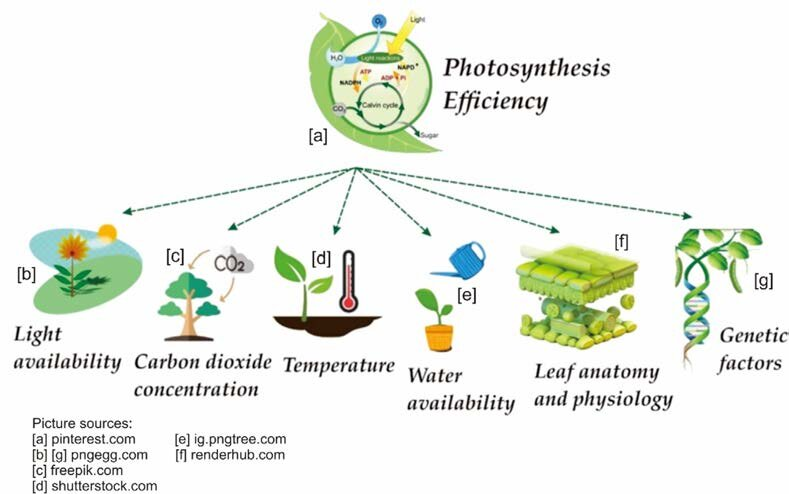
Several environmental conditions influence the efficiency of photosynthesis. Light intensity is one of the most important because sunlight provides the energy required for the reaction. If light levels are too low, glucose production decreases, slowing plant growth and reducing overall health.
Other significant factors include temperature, carbon dioxide concentration, water availability, and chlorophyll content. Plants perform best when these conditions remain balanced. Too much heat, insufficient water, or limited carbon dioxide can reduce the rate of photosynthesis and affect the plant’s ability to produce enough food.
Importance of the Photosynthesis Equation
Learning the photosynthesis equation in words helps students understand why plants are essential for life. Plants produce glucose to fuel their own growth while releasing oxygen into the atmosphere. This oxygen supports respiration in humans and animals, making photosynthesis one of the most valuable natural processes on Earth.
Photosynthesis also removes carbon dioxide from the atmosphere, helping regulate the Earth’s climate. Healthy forests, crops, and other green plants play an important role in reducing greenhouse gases and maintaining environmental balance. Understanding this process highlights the importance of protecting plant life and preserving natural ecosystems.
Conclusion
The photosynthesis equation in words provides a simple explanation of how plants transform carbon dioxide and water into glucose and oxygen using sunlight and chlorophyll. It is an excellent starting point for anyone studying biology because it introduces the key concepts without overwhelming scientific terminology.
Whether you are preparing for GCSE examinations, school assignments, or simply expanding your scientific knowledge, understanding the photosynthesis equation in words will strengthen your understanding of plant biology. It demonstrates the remarkable relationship between plants, the environment, and all living organisms, making it one of the most important topics in science.
FAQs
What is the photosynthesis equation in words?
The word equation is: Carbon dioxide + Water → Glucose + Oxygen, with sunlight and chlorophyll required for the reaction.
Why is the photosynthesis equation in words important?
It simplifies the process of photosynthesis, making it easier for students and beginners to understand before learning the chemical equation.
What is the balanced chemical equation for photosynthesis?
The balanced chemical equation is 6CO₂ + 6H₂O → C₆H₁₂O₆ + 6O₂.
Why is chlorophyll necessary for photosynthesis?
Chlorophyll absorbs sunlight and converts light energy into the chemical energy needed to produce glucose.
What factors affect the rate of photosynthesis?
Light intensity, carbon dioxide levels, temperature, water supply, and chlorophyll content all influence how efficiently photosynthesis occurs.
You May Also Read: Collectivism vs Individualism