

Armenian capitals represent centuries of political power, cultural development, and historical transformation across one of the world’s oldest civilizations. Armenia has experienced many different eras, and each period introduced important cities that served as centers of government, trade, religion, and education. These capitals were not simply locations where rulers lived; they were places where Armenian culture, architecture, and national identity developed through generations.
The history of Armenian capitals provides a unique view of Armenia’s journey from ancient kingdoms to the modern republic. Cities such as Armavir, Artashat, Tigranocerta, Dvin, and Yerevan each played a major role in shaping the country’s heritage. By exploring these historic centers, visitors and researchers can better understand how Armenian civilization survived, evolved, and influenced the wider region.
The Historical Development of Armenian Capitals
The development of Armenian capitals is closely connected with the rise of ancient Armenian kingdoms and their changing political landscapes. Early rulers selected capital cities based on strategic advantages, including fertile agricultural areas, defensive positions, and access to important trade routes. These locations allowed Armenian leaders to strengthen their kingdoms while encouraging economic and cultural growth.
Throughout history, Armenian capitals changed because of wars, invasions, political shifts, and the expansion of different empires. Each new capital reflected the needs and ambitions of its time. Some cities became powerful military centers, while others became famous for art, education, architecture, or religious importance. Together, these cities created a timeline that reveals the strength and resilience of Armenian civilization.
Ancient Armenian Capitals and Their Importance
Among the earliest Armenian capitals was Armavir, a city established in the ancient Kingdom of Armenia. Located near the Ararat Plain, Armavir became a significant political and cultural center. The city played an important role in early Armenian administration and maintained connections with neighboring civilizations through trade and diplomacy. Its archaeological remains continue to provide valuable information about ancient Armenian life.
Artashat became another influential capital and was founded by King Artaxias I during the second century BCE. Often described as one of the greatest Armenian capitals of the ancient period, Artashat developed into a major commercial and political hub. Its location near important routes helped the city grow, attracting merchants, diplomats, and scholars from different regions.
Tigranocerta and the Expansion of Ancient Armenia
Tigranocerta was one of the most remarkable Armenian capitals during the reign of King Tigran the Great. Built during a period when Armenia reached its greatest territorial expansion, the city represented ambition, wealth, and political influence. It was designed as a grand royal center and reflected the power of the Armenian Empire during the first century BCE.
Although Tigranocerta later declined due to military conflicts and political changes, its historical importance remains significant. The city demonstrates how Armenian rulers created impressive urban centers that competed with other major cities of the ancient world. Today, historians study Tigranocerta to understand Armenia’s role in regional politics and ancient civilization.
Yerevan as the Modern Armenian Capital
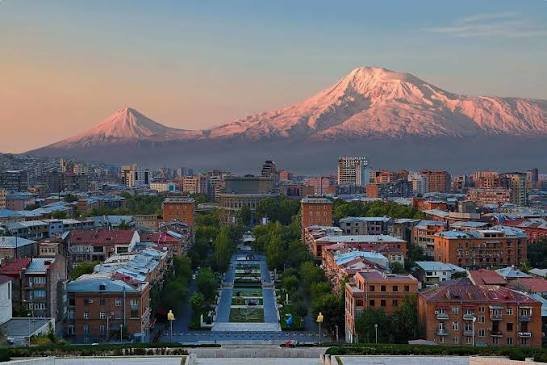
Yerevan is the current capital of Armenia and one of the oldest continuously inhabited cities in the world. Founded in 782 BCE by King Argishti I as the fortress of Erebuni, Yerevan has a history that extends back more than 2,800 years. Over time, the city transformed from an ancient settlement into a modern center of government, culture, and economic activity.
Modern Yerevan represents the connection between Armenia’s ancient past and its present identity. The city features historic landmarks, museums, cultural institutions, and architectural attractions that showcase Armenian traditions. Popular locations such as Republic Square, the Cascade Complex, and the Erebuni Museum highlight the city’s unique combination of ancient heritage and contemporary development.
Medieval Armenian Capitals and Cultural Centers
Medieval Armenian capitals played a major role in preserving Armenian traditions during challenging periods. Dvin became one of the most important medieval Armenian capitals and served as a center of administration, trade, and craftsmanship. The city developed into a major regional marketplace where different cultures interacted and exchanged ideas.
Ani was another famous medieval capital of Armenia under the Bagratid Kingdom. Known as the “City of 1,001 Churches,” Ani became famous for its impressive architecture, including churches, fortifications, and public buildings. Although the city is now an archaeological site, its remains demonstrate the artistic and engineering achievements of medieval Armenian society.
Cultural Legacy of Armenian Capitals
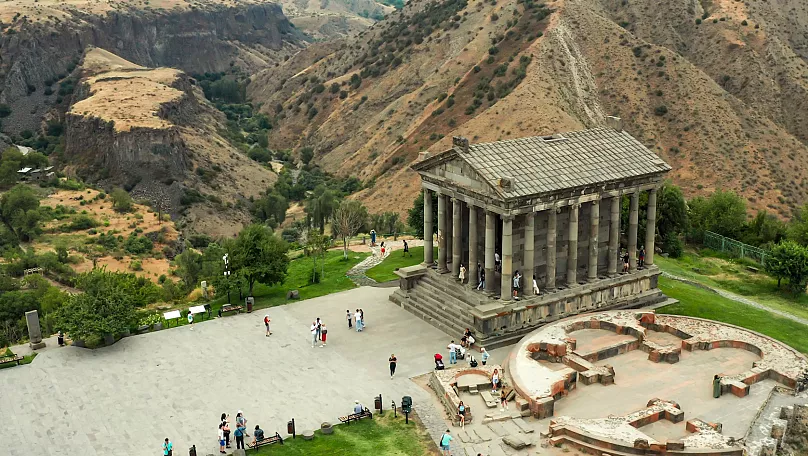
The legacy of Armenian capitals extends far beyond their political importance. These cities helped preserve Armenian language, religious traditions, artistic expression, and architectural styles. Ancient monuments, manuscripts, churches, and archaeological discoveries reveal the creativity and determination of Armenian communities throughout history.
Studying Armenian capitals also helps explain how Armenia maintained its cultural identity despite facing numerous challenges. Foreign invasions, changing borders, and political struggles affected these cities, but their historical significance remained strong. Each capital represents a chapter in Armenia’s long story and provides valuable lessons about resilience and cultural preservation.
Interesting Facts About Armenian Capitals
Armenian capitals contain many fascinating historical facts that attract historians and travelers from around the world. Yerevan is older than Rome and has a documented foundation date from 782 BCE. Ancient cities such as Artashat and Tigranocerta demonstrate that Armenia was once a powerful kingdom with significant regional influence.
Another interesting fact is that Armenian capitals were not limited to one geographic area. Different kingdoms selected cities based on their political goals and environmental advantages. This diversity created a rich collection of historical sites that represent different periods of Armenian development. Exploring these cities allows people to discover how geography and leadership influenced the growth of Armenian civilization.
Conclusion
Armenian capitals provide a fascinating journey through thousands of years of history, culture, and political change. From ancient cities like Armavir and Artashat to the modern capital of Yerevan, each city has contributed to Armenia’s identity and heritage. These capitals represent more than government centers because they preserve stories of creativity, resilience, and cultural achievement.
Learning about Armenian capitals allows people to appreciate the depth of Armenian civilization and its influence throughout history. Whether exploring ancient ruins, studying historical records, or visiting modern Yerevan, these cities offer a meaningful connection between Armenia’s past and present.
Frequently Asked Questions
What is the capital of Armenia today?
Yerevan is the modern capital of Armenia and the country’s largest city.
How many historical capitals has Armenia had?
Armenia has had several historical capitals, including Armavir, Artashat, Tigranocerta, Dvin, Ani, and Yerevan.
Which is the oldest Armenian capital?
Armavir is considered one of the earliest known capitals of ancient Armenia.
Why did Armenian capitals change over time?
Armenian capitals changed because of wars, political developments, kingdom expansions, and changing centers of power.
Is Yerevan the oldest city in Armenia?
Yerevan is one of the oldest continuously inhabited cities in the world, founded in 782 BCE.
You May Also Read: East Tenth Street