

In a world where people move between cultures, workplaces, and digital communities faster than ever before, language has become more flexible than a simple tool for communication. A person may speak one way with family, another way with colleagues, and completely differently with friends online. This invisible adjustment is known as code switching, a linguistic practice that reveals how people adapt their words, expressions, and communication styles to different environments.
For decades, researchers viewed language switching as a complex feature of bilingual communication. Today, experts understand it as a natural part of multilingual societies, identity formation, and social interaction. From Spanish-English conversations in the United States to Hinglish discussions in India and multilingual workplaces worldwide, code switching demonstrates how language connects culture, belonging, and human experience.
Understanding the Meaning of Code Switching
Code switching refers to the practice of changing between two or more languages, dialects, accents, or communication styles during a conversation or social interaction. It commonly occurs among bilingual and multilingual speakers, but it can also involve shifts between formal and informal speech patterns. For example, someone may use a regional dialect with family members but switch to professional language during a business meeting.
The concept has become an important topic in sociolinguistics because it shows that language choices are rarely random. People often change their communication style based on their audience, emotional connection, cultural background, or social environment. A bilingual speaker might switch languages because one word expresses an idea better, because they want to build trust, or because they share a cultural reference with another person.
Historically, researchers studied code switching mainly among bilingual communities. However, modern linguistic studies recognize that language variation exists across many groups. Switching between professional terminology and everyday expressions, adjusting accents, or changing speech patterns depending on social situations are all examples of how humans manage communication in different contexts.
Why People Use Code Switching in Everyday Conversations
One of the main reasons people practice code switching is to create stronger social connections. Language carries emotions, memories, and cultural meaning. A person may automatically switch to their native language when speaking with family because it feels more personal, even if they use another language in public or professional environments.
Another common reason is efficiency. Sometimes a particular word or phrase exists more naturally in one language than another. A bilingual speaker may choose an expression from a second language because it communicates an idea faster or more accurately. This does not indicate a lack of knowledge; instead, it often reflects advanced language ability and awareness of communication choices.
In multicultural cities, code switching has become a normal part of daily life. People who speak languages such as English, Spanish, Arabic, Urdu, Mandarin, French, or Hindi often move between languages depending on who they are talking to. These changes allow speakers to maintain cultural identity while participating in broader social and professional communities.
The Relationship Between Code Switching and Identity
Language is closely connected to personal identity, which is why code switching often reflects how people see themselves and how they want others to understand them. A speaker may use certain words, expressions, or accents to highlight their cultural background or show membership in a specific community.
For many bilingual individuals, switching languages creates a bridge between different parts of their identity. Someone who speaks their heritage language at home and another language at work is not becoming a different person; they are using different linguistic tools for different situations. Researchers often describe this ability as a form of communication flexibility rather than inconsistency.
However, code switching can also happen because of social expectations. Some people change their speech style in professional settings because they believe certain accents or dialects may influence how others judge their intelligence or professionalism. This highlights the connection between language, social attitudes, and cultural acceptance.
Different Types of Code Switching Explained
Linguists generally identify several forms of code switching based on when and why the language change happens. One common type is inter-sentential switching, where a speaker completes a sentence in one language and begins another sentence in a different language.
Another type is intra-sentential switching, where speakers change languages within the same sentence. This is especially common in bilingual communities where speakers share knowledge of multiple languages. For example, a person might combine English and another language naturally during casual conversation.
Situational switching occurs when the speaker changes language because the environment changes. A person may speak casually with friends but move to formal language during an interview. Metaphorical switching happens when language choice creates a specific emotional or social meaning, such as showing humor, closeness, authority, or cultural connection.
Code Switching vs Code Mixing: What Is the Difference?
Although people often use the terms interchangeably, code switching and code mixing describe slightly different linguistic behaviors. Code switching usually emphasizes a noticeable movement from one language or communication style to another, often influenced by social context or purpose.
Code mixing generally refers to combining elements from different languages within the same sentence or phrase. For example, a speaker may insert English words into another language while maintaining the overall structure of their main language. The distinction between these concepts depends on the linguistic approach being used, and some researchers consider them overlapping practices.
Understanding the difference helps explain how multilingual speakers communicate. Rather than viewing mixed-language speech as confusion, modern research recognizes these patterns as evidence of complex linguistic skills. Speakers must understand vocabulary, grammar, audience expectations, and cultural meaning simultaneously.
The Role of Code Switching in Professional Environments
Modern workplaces increasingly bring together employees from different linguistic and cultural backgrounds. In these environments, code switching can influence teamwork, leadership, and communication effectiveness. Employees may adjust their language depending on whether they are speaking with customers, managers, international colleagues, or local communities.
For example, a global company employee may use technical English during meetings but switch to a regional language when explaining ideas to local partners. This ability can improve collaboration because it allows people to communicate in ways that feel comfortable and accessible.
However, workplace language expectations can also create challenges. Some employees feel pressure to hide their natural speaking style to appear more professional. Organizations that value linguistic diversity can create environments where people do not have to change their identity to be respected.
How Technology and Social Media Are Changing Code Switching
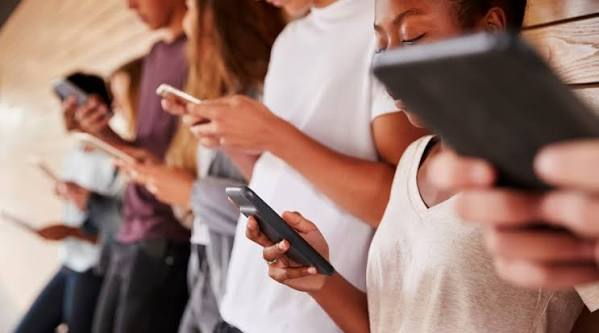
Digital communication has accelerated the growth of code switching because online platforms connect people from different linguistic backgrounds. Social media users frequently combine languages, slang, emojis, and cultural references to communicate with wider audiences.
Platforms such as YouTube, TikTok, Instagram, and messaging applications have created new spaces where multilingual communication is normal. Young users often develop hybrid communication styles that combine local languages with global internet vocabulary.
Artificial intelligence and language technology are also making researchers pay more attention to code switching. Developing accurate translation tools, speech recognition systems, and language models requires understanding how people naturally combine languages during real conversations.
The Psychological Impact of Code Switching
Research into bilingual communication shows that code switching requires significant mental flexibility. Speakers must manage multiple linguistic systems, understand context, and decide which communication style best fits the situation.
For many people, switching languages provides comfort and emotional expression. A person may find it easier to express humor, affection, frustration, or cultural experiences in one language compared with another. Language choice can influence how strongly people connect with their memories and emotions.
At the same time, constantly adjusting communication styles can sometimes create mental pressure, especially when people feel forced to change because of social judgment. Understanding this balance helps communities recognize both the advantages and challenges associated with multilingual communication.
Code Switching Around the World
Across the globe, code switching appears in countless forms. In India, Hinglish combines Hindi and English in everyday conversations. In Singapore, Singlish blends English with elements from several Asian languages. In the United States, Spanish-English bilingual communities frequently move between languages in homes, schools, and workplaces.
Africa also provides many examples of multilingual communication, where speakers often combine local languages with international languages such as English or French. These patterns reflect histories of migration, education, trade, and cultural exchange.
Rather than representing a problem, code switching often shows how communities adapt to changing social realities. It demonstrates the creativity of human communication and the ability of languages to evolve together.
Future Trends and the Growing Importance of Code Switching
As globalization continues, multilingual communication will become even more common. Migration, international business, online communities, and digital education are creating environments where people regularly interact across languages.
Future language technologies will need to understand code switching more effectively. Current artificial intelligence systems often perform better with single-language input, but researchers are working to improve systems that can process mixed-language conversations accurately.
Education systems are also beginning to recognize multilingual abilities as strengths. Instead of treating language switching as a weakness, many experts now encourage approaches that support bilingual development and cultural awareness.
Key Takeaways
- Code switching is a natural communication practice where people shift between languages, dialects, or speech styles.
- It helps speakers express identity, emotions, cultural connections, and social relationships.
- Multilingual speakers use language switching strategically rather than randomly.
- Modern research views it as a sign of linguistic flexibility, not confusion.
- Technology, workplaces, and global communities are making multilingual communication increasingly important.
Conclusion
Code switching represents the powerful relationship between language, culture, and human connection. It shows that communication is not only about choosing words but also about understanding people, situations, and social meanings. As societies become more diverse, the ability to move between languages and communication styles will continue to shape how people connect with each other.
Rather than seeing language switching as a limitation, communities can recognize it as a valuable skill that reflects adaptability and cultural intelligence. Whether in classrooms, workplaces, digital platforms, or everyday conversations, multilingual communication will remain an important part of the modern world. Continue exploring the role of language in society to better understand how communication shapes human experiences.
Frequently Asked Questions
What is code switching?
It is the practice of changing between languages, dialects, or communication styles during a conversation.
Why do bilingual people use code switching?
They use it to express ideas, connect socially, show identity, or communicate more naturally.
Is code switching a sign of poor language skills?
No, it usually shows advanced ability to manage multiple languages and contexts.
What is the difference between code switching and code mixing?
Code switching involves changing languages or styles, while code mixing often combines elements within the same sentence.
Does code switching happen only between languages?
No, it can also involve accents, dialects, and different levels of formality.
How does social media influence code switching?
Online platforms encourage people to combine languages and cultural expressions in new ways.
Can code switching affect professional communication?
Yes, it can improve connection and understanding, although social pressure may influence when people switch styles.
You May Also Read: Arizona Map