

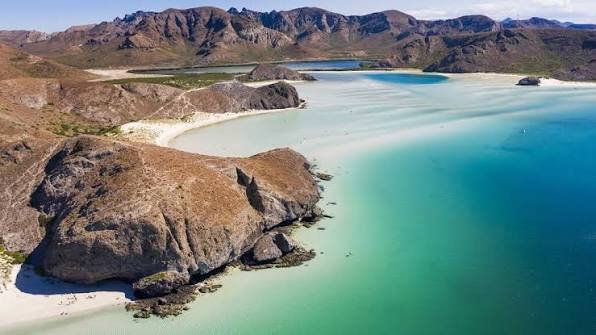
Stretching between the Pacific Ocean and the Gulf of California, Baja California is a region where dramatic landscapes, ancient cultures, and modern industries come together in a way few places can match. From the busy border city of Tijuana to the vineyards of Valle de Guadalupe and the coastal beauty of Ensenada, the region tells a story of transformation. Once viewed mainly as a remote peninsula, it has become a center for tourism, manufacturing, innovation, and international trade.
Today, travelers, entrepreneurs, and researchers are looking at this destination differently. Its combination of desert ecosystems, marine biodiversity, cultural heritage, and economic opportunities has created global attention. However, many people still confuse the northern state with Baja California Sur, a separate Mexican state known for destinations such as Los Cabos. Understanding this distinction is essential to appreciating the unique identity of Baja California.
Where Is Baja California and What Makes It Unique?
Baja California is a state in northwestern Mexico located on the northern part of the Baja California Peninsula, directly south of California, United States. It shares an international border with the U.S. state of California, making it one of Mexico’s most strategically positioned regions. Its capital city is Mexicali, while other major cities include Tijuana, Ensenada, Tecate, and Playas de Rosarito.
The geography of Baja California is one of its greatest strengths. The region combines Pacific beaches, mountain ranges, fertile valleys, and the dry landscapes of the Sonoran and Baja deserts. This unusual combination creates a destination where visitors can experience surfing, wine tasting, hiking, marine adventures, and urban culture within relatively short distances.
Unlike many traditional tourist destinations, the region does not rely on one single attraction. Instead, it offers a diverse experience shaped by nature, history, gastronomy, and cross-border connections. The relationship with Southern California has also influenced business, culture, and daily life for generations.
The History Behind Baja California’s Development
The story of Baja California begins long before modern cities and highways appeared. Indigenous communities, including the Kumeyaay, Paipai, Kiliwa, and Cucapá peoples, lived across the peninsula for thousands of years. Their traditions, languages, and knowledge of the desert environment remain an important part of the region’s cultural heritage.
European exploration began during the 16th century when Spanish expeditions searched for new territories along the Pacific coast. Over time, missions were established, and the area became connected to broader colonial networks. After Mexico gained independence, the peninsula went through political changes that eventually led to the creation of modern Mexican states.
The northern territory officially became the state of Baja California in 1952, marking an important moment in its political development. Since then, rapid urban growth, industrial expansion, and improved transportation infrastructure have transformed the region into one of Mexico’s most dynamic areas.
Tijuana and the Rise of a Global Border City
Tijuana represents one of the most recognizable faces of Baja California. Located directly across from San Diego, California, it has developed into a major metropolitan area shaped by migration, international business, and cultural exchange.
For decades, Tijuana was known mainly as a border destination. However, its identity has evolved significantly. Today, the city is recognized for technology companies, medical tourism, manufacturing, culinary innovation, and a growing creative scene. Restaurants, breweries, art spaces, and cultural festivals have helped redefine its image.
The city’s location gives it a unique economic advantage. Companies often choose Tijuana for nearshoring opportunities because it provides access to skilled workers, manufacturing capabilities, and proximity to the U.S. market. This cross-border relationship continues to influence investment and urban development.
The Economic Power of Baja California
The economy of Baja California has expanded beyond traditional industries. Manufacturing remains a major contributor, especially in sectors such as electronics, medical devices, aerospace, automotive production, and export-oriented industries. Government economic data highlights the state’s strong international trade activity and manufacturing connections.
The region has benefited from the growth of nearshoring, as companies seek alternatives to distant supply chains. Its location next to the United States allows businesses to reduce transportation time while maintaining access to North American markets.
Agriculture and wine production also play an important role. The Valle de Guadalupe has become internationally recognized for premium wines, boutique hotels, and culinary experiences. This growth has helped position the state as both an industrial center and a lifestyle destination.
Tourism, Beaches, and Natural Attractions
Tourism in Baja California is built around variety rather than traditional resort experiences. Visitors can explore coastal towns, desert landscapes, historic missions, and marine ecosystems. Popular destinations include Ensenada, Rosarito, San Felipe, and the wine region of Valle de Guadalupe.
Ensenada is particularly important for tourism because of its coastline, seafood culture, and access to marine activities. Whale watching, fishing, surfing, and sailing attract visitors throughout the year. The nearby Pacific waters and protected ecosystems create opportunities for sustainable tourism experiences.
The region’s natural environment is one of its strongest attractions. The Sea of Cortez and surrounding marine areas support diverse wildlife, including whales, dolphins, sea lions, and numerous bird species. Conservation-focused tourism continues to grow as travelers look for meaningful experiences connected to nature.
Valle de Guadalupe and the Growth of Mexican Wine Culture
One of the biggest surprises about Baja California is its emerging reputation as a world-class wine destination. Valle de Guadalupe, located near Ensenada, has become the heart of Mexico’s wine industry.
The valley’s Mediterranean-like climate, fertile soil, and innovative winemakers have helped create a unique wine culture. Visitors now travel to the region for vineyard tours, tasting experiences, farm-to-table restaurants, and luxury accommodations.
Beyond tourism, the wine industry represents a broader cultural shift. It demonstrates how local agriculture, entrepreneurship, and international interest can combine to create a new economic identity. The success of Valle de Guadalupe has encouraged investment in hospitality, gastronomy, and sustainable farming practices.
Food, Culture, and the Identity of Baja California

The culinary scene of Baja California has gained international recognition because it blends traditional Mexican flavors with modern techniques. Seafood, especially fresh fish tacos, ceviche, and regional ingredients, plays a central role in local cuisine.
The region’s food culture reflects its geography and history. Pacific seafood, desert agriculture, indigenous influences, and cross-border connections all contribute to a distinctive culinary identity.
Cities such as Tijuana and Ensenada have become known for creative chefs and innovative restaurants. This growing reputation has attracted food travelers who want experiences beyond traditional Mexican cuisine.
Environmental Challenges and Sustainability Efforts
Despite its growth, Baja California faces environmental challenges. Rapid urban expansion, water shortages, coastal development, and climate change have increased pressure on natural resources.
Water management is one of the region’s most important issues. As populations grow, cities and industries must develop solutions that balance economic progress with environmental protection. Large infrastructure projects, including desalination efforts, reflect attempts to address future water demands.
At the same time, conservation initiatives are gaining attention. Protected marine areas, responsible tourism programs, and community-based environmental projects aim to protect the ecosystems that make the region unique.
Future Opportunities and Emerging Trends
The future of Baja California will likely be shaped by technology, sustainable development, and international investment. Nearshoring is expected to remain a major economic driver as companies continue searching for locations closer to North American consumers.
Tourism is also evolving. Modern travelers increasingly seek authentic experiences, environmental responsibility, and cultural connections. This trend creates opportunities for smaller communities, eco-tourism businesses, and local entrepreneurs.
The region’s challenge will be maintaining balance. Economic growth must continue while protecting natural landscapes and cultural traditions. If managed carefully, Baja California could become an example of how economic development and environmental responsibility can work together.
Key Takeaways
- Baja California is a Mexican state located south of California, USA, with a unique mix of desert, coastline, and urban development.
- The region has a rich indigenous and colonial history that continues to influence its culture.
- Tijuana, Ensenada, and Mexicali are major economic centers driving growth.
- Manufacturing, tourism, agriculture, and wine production are key industries.
- Valle de Guadalupe has transformed Mexico’s wine reputation globally.
- Sustainable development will be essential for the region’s future.
Conclusion
Baja California represents one of Mexico’s most fascinating examples of transformation. It is a place where ancient traditions meet modern industries, where desert landscapes meet powerful oceans, and where local communities connect with global markets.
From economic opportunities and cultural experiences to environmental challenges and future innovations, the region continues to evolve. Whether you are planning a visit, researching investment opportunities, or exploring Mexican geography, understanding this remarkable state provides valuable insight into one of North America’s most dynamic regions.
Continue exploring the history, culture, and opportunities of Baja California to discover why this destination remains one of Mexico’s most influential and rapidly changing areas.
Frequently Asked Questions
What is Baja California?
Baja California is a state in northwestern Mexico located on the northern part of the Baja California Peninsula, known for tourism, manufacturing, culture, and natural landscapes.
Is Baja California the same as Baja California Sur?
No, Baja California and Baja California Sur are two separate Mexican states with different governments, cities, and identities.
What are the most popular places to visit in Baja California?
Popular destinations include Tijuana, Ensenada, Valle de Guadalupe, Rosarito, and San Felipe.
Why is Baja California important economically?
The state is important because of manufacturing, international trade, agriculture, wine production, and its location near the United States border.
What food is Baja California famous for?
The region is famous for seafood dishes, fish tacos, modern Mexican cuisine, and Baja-style culinary experiences.
Is Baja California good for tourism?
Yes, the region offers beaches, wine tourism, adventure activities, cultural attractions, and unique natural experiences.
What makes Baja California different from other Mexican regions?
Its combination of desert landscapes, Pacific coastline, border connections, industrial growth, and cultural diversity makes it unique.
You May Also Read: Code Switching