

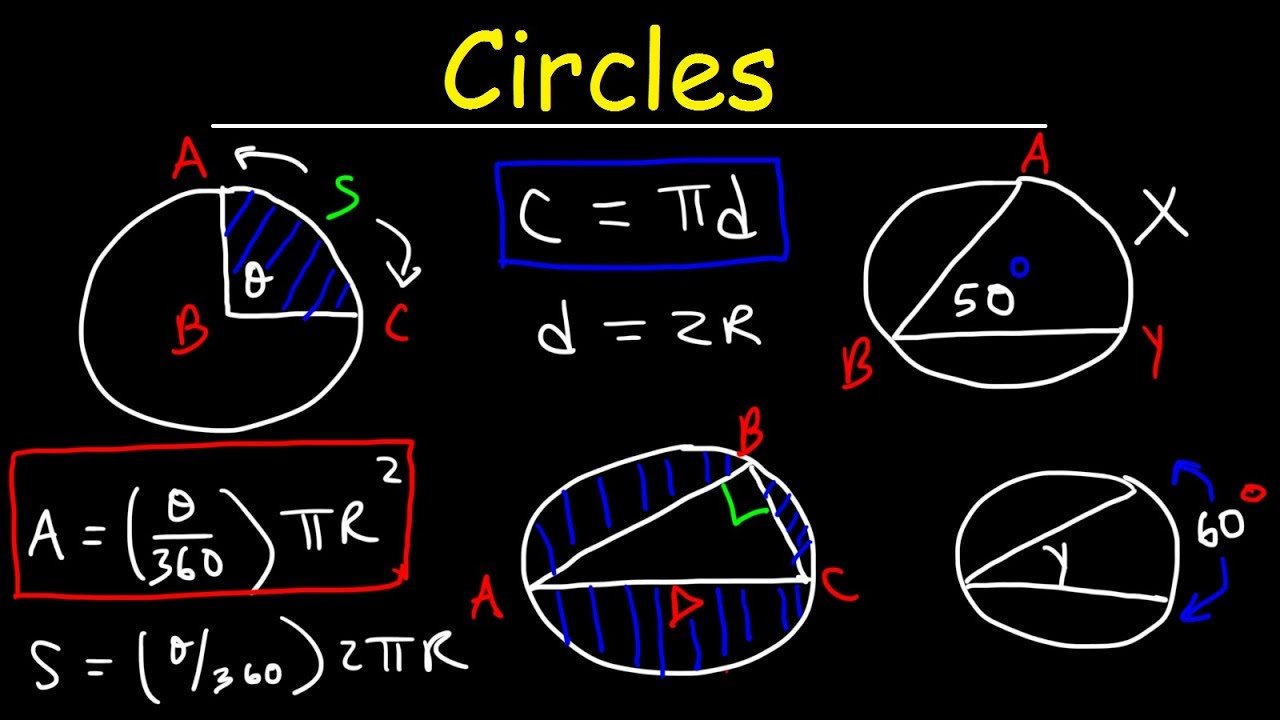
Circle geometry is a fundamental branch of mathematics that helps students and professionals understand measurements, angles, and relationships within circular shapes. From simple objects like wheels and clocks to complex engineering systems, circles are everywhere around us. Learning circle geometry formulas provides a clear method for calculating important values such as area, circumference, diameter, radius, and different parts of a circle. These formulas create a strong foundation for solving geometry problems with accuracy and confidence.
The importance of circle geometry extends beyond school mathematics because these concepts are used in many practical fields. Architects, engineers, designers, and scientists rely on circle calculations when creating structures, machines, and technology. A proper understanding of circle geometry formulas and theorems allows learners to approach mathematical challenges more effectively. By combining formulas with diagrams and illustrations, students can easily visualize concepts and improve their overall understanding of circular measurements.
Basic Concepts and Important Parts of a Circle
A circle is a unique geometric shape made up of all points that are the same distance from a fixed point called the center. This fixed distance is known as the radius. Before learning advanced calculations, it is important to understand the different parts of a circle because each part plays a specific role in geometry formulas. The main components include the center, radius, diameter, circumference, chord, arc, sector, segment, and tangent.
The radius measures the distance from the center of the circle to any point on its boundary, while the diameter extends across the entire circle through the center. The circumference represents the distance around the outside of the circle. Understanding these basic elements makes it easier to apply circle geometry formulas correctly. When students recognize the relationship between these parts, they can solve problems faster and avoid common calculation mistakes.
Circle Geometry Formulas List for Essential Calculations
A complete circle geometry formulas list includes several important equations that help calculate different measurements. The most commonly used formulas involve finding the diameter, radius, circumference, and area of a circle. These formulas are widely used in classrooms and professional applications because they provide accurate solutions for circular measurements. Understanding when and how to use each formula is the key to solving circle-related problems successfully.
The relationship between radius and diameter is one of the simplest concepts in circle geometry. The diameter formula is D = 2r, meaning the diameter is twice the length of the radius. The circumference formula is C = 2πr or C = πd, depending on whether the radius or diameter is provided. The area formula A = πr² calculates the amount of space inside a circle. These basic equations form the core of circle geometry formulas and are essential for learners at every level.
Calculating Area and Circumference Using Circle Formulas
The area and circumference of a circle are two of the most important measurements in geometry. The area formula helps determine the total space enclosed within a circle, while the circumference formula calculates the distance around the circle. These calculations are used in many real-world situations, including measuring land, designing circular objects, and creating engineering plans.
To calculate the area of a circle, the radius must be multiplied by itself and then multiplied by pi. Since the radius has a major impact on the area, even a small increase in radius can significantly change the total measurement. The circumference calculation focuses on the outer boundary of the circle. By practicing these calculations regularly, students can develop a strong understanding of how circle geometry formulas work in different situations.
Understanding Arc Length and Sector Area Formulas
Arc length and sector area formulas help solve problems involving only a portion of a circle. An arc is a curved section of the circle’s circumference, while a sector is a part of the circle enclosed by two radii and an arc. These concepts are commonly used in advanced geometry because many real-life objects contain partial circular shapes rather than complete circles.
The arc length formula depends on the central angle and radius of the circle. It allows students to calculate the exact distance of a curved section. The sector area formula works in a similar way by finding the area of a specific section of a circle. Understanding these formulas expands knowledge beyond basic measurements and helps learners handle more complex geometry questions with confidence.
Circle Geometry Formulas and Theorems Explained
Circle geometry formulas and theorems provide deeper insight into how different elements of a circle interact. These rules explain relationships between angles, chords, tangents, and arcs. Many advanced geometry problems require knowledge of these theorems because they help identify missing measurements and create logical solutions.
Important circle theorems include the inscribed angle theorem, central angle theorem, chord theorem, and tangent theorem. The inscribed angle theorem explains that an angle formed inside a circle has a special relationship with its intercepted arc. The central angle theorem shows how angles at the center compare with angles on the circle’s edge. Learning these principles allows students to solve challenging geometry problems more efficiently.
Circle Geometry Formulas Illustration and Diagram Benefits
A circle geometry formulas illustration is an excellent learning tool because it transforms complex mathematical ideas into simple visual concepts. Many students understand geometry better when they can see the relationship between different parts of a circle. Illustrations can clearly show radius lines, diameter measurements, angles, arcs, and sectors, making formulas easier to remember.
A circle geometry formulas diagram also helps learners connect equations with real shapes. Instead of memorizing formulas without understanding, students can see how each measurement affects the circle. A well-designed circle geometry formulas chart can be used as a quick revision guide during homework, exams, or daily practice. Visual learning improves retention and makes geometry more enjoyable.
Circle Geometry Formulas PDF and Learning Resources
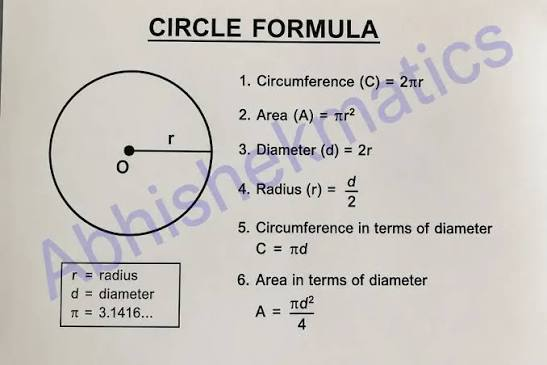
Many students prefer using a circle geometry formulas PDF because it provides a convenient way to review important concepts. A useful formula PDF usually includes equations, definitions, examples, and diagrams that explain each calculation step. These resources are especially helpful during exam preparation because students can quickly review essential information in one place.
A quality formula sheet should include basic formulas such as area and circumference along with advanced concepts like arc length, sector area, and circle theorems. Digital resources can be accessed anytime, allowing students to study at their own pace. Combining textbook learning with organized formula resources can improve understanding and make solving geometry problems easier.
Real-Life Applications of Circle Geometry Formulas
Circle geometry formulas are used in many industries and everyday situations. Engineers apply circular calculations when designing machines, vehicles, and mechanical parts. Architects use circle measurements when creating buildings, domes, and decorative structures. Even simple objects like wheels, pipes, and plates depend on accurate circle calculations during their design and production.
Understanding circles also helps people make better decisions in practical situations. For example, calculating the area of a circular garden helps determine the amount of material needed, while finding circumference helps measure boundaries accurately. These examples show that circle geometry formulas are not just academic concepts but valuable tools used in the real world.
Common Mistakes When Solving Circle Geometry Problems
Students often make mistakes when working with circle problems because they confuse formulas or misunderstand measurements. One common error is using diameter instead of radius in the area formula. Another mistake is forgetting to square the radius when calculating the area of a circle. These small errors can create incorrect answers even when the overall method is correct.
Another challenge involves using pi incorrectly or confusing degrees and radians in advanced calculations. To avoid mistakes, students should carefully identify the information provided in each problem before selecting a formula. Regular practice, reviewing circle geometry formulas, and checking calculations step by step can significantly improve accuracy and confidence.
Tips to Master Circle Geometry Formulas Quickly
Mastering circle geometry formulas requires more than memorization. Students should focus on understanding how each formula connects with the properties of a circle. Creating notes, practicing different examples, and using diagrams can make learning more effective. Regular revision helps learners remember formulas and apply them correctly during exams.
Visual resources such as formula charts and illustrations can also improve learning speed. When students understand the meaning behind each equation, they can solve unfamiliar problems more easily. Building strong geometry skills takes practice, but with consistent effort, circle calculations become simpler and more manageable.
Conclusion
Circle geometry formulas are essential tools for understanding measurements, angles, and relationships within circular shapes. From calculating area and circumference to solving advanced problems involving arcs, sectors, and theorems, these formulas provide a complete framework for studying circles. They support mathematical learning and practical applications across many industries.
Using resources such as circle geometry formulas lists, diagrams, charts, and PDFs can make learning faster and more organized. With regular practice and a clear understanding of concepts, students can develop strong problem-solving abilities. Circle geometry is not only an important mathematical topic but also a useful skill that applies to many areas of life.
Frequently Asked Questions
What are the basic circle geometry formulas?
The basic circle geometry formulas include area, circumference, radius, and diameter formulas. These help calculate different measurements of a circle.
What is the formula for the area of a circle?
The formula for the area of a circle is A = πr², where r represents the radius of the circle.
How do you find the circumference of a circle?
The circumference can be found using C = 2πr or C = πd, depending on whether the radius or diameter is given.
What is the difference between radius and diameter?
The radius is the distance from the center to the edge of a circle, while the diameter is the distance across the circle through its center.
What are circle geometry formulas and theorems?
Circle geometry formulas and theorems explain relationships between angles, chords, arcs, tangents, and other parts of a circle.
Why are circle geometry formulas important?
They help solve mathematical problems and are widely used in engineering, architecture, design, and everyday measurements.
How can a circle geometry formulas chart help students?
A formula chart provides quick access to important equations and makes revision easier.
What is the arc length formula for a circle?
The arc length formula calculates the distance of a curved part of a circle using the radius and central angle.
You May Also Read: SAT Geometry Formulas