

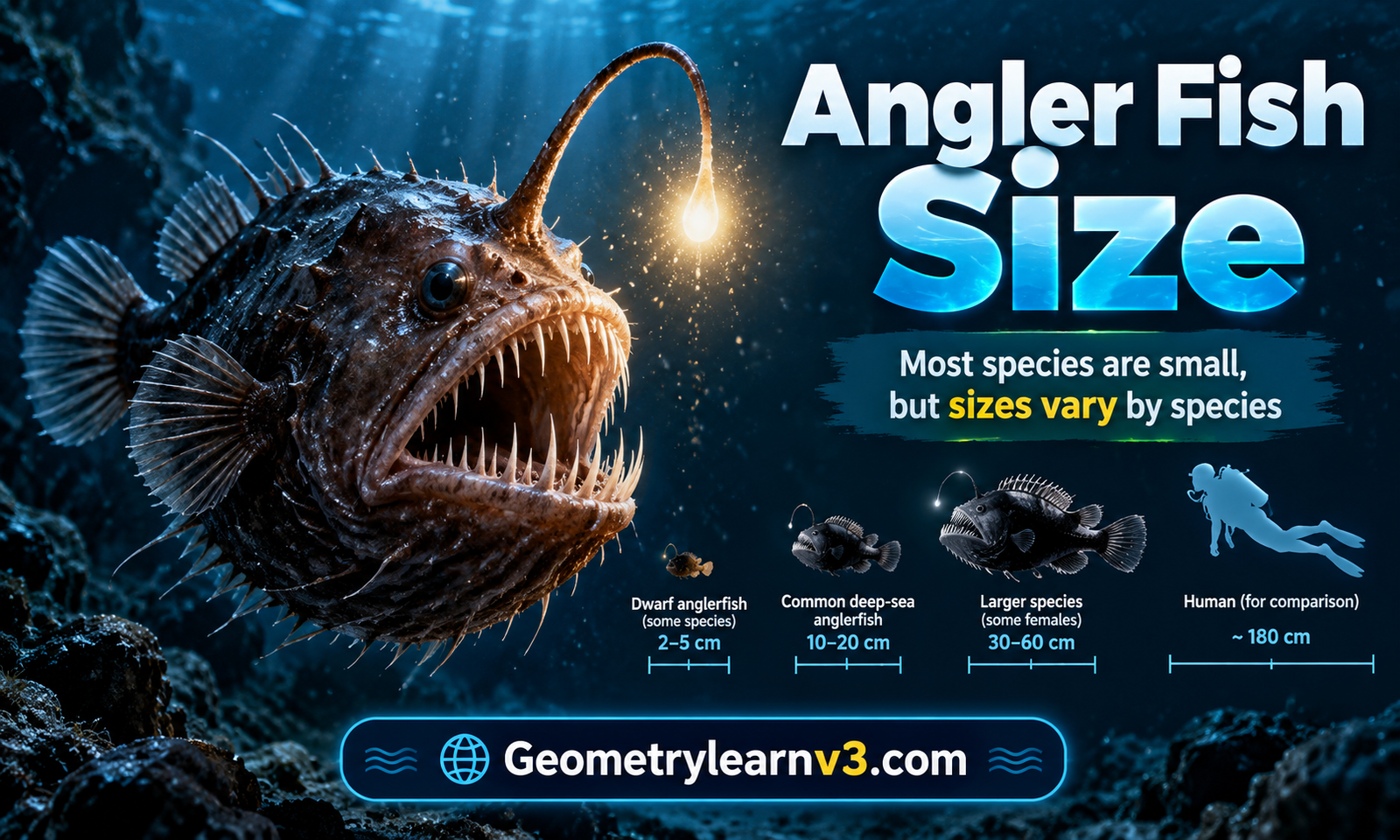
Anglerfish are some of the most fascinating and mysterious creatures found deep beneath the ocean surface. Known for their glowing lure, sharp teeth, and unusual appearance, these fish have captured human imagination for decades. Many people imagine anglerfish as enormous sea monsters because of movies, internet images, and deep-sea documentaries. However, the reality of the angler fish size is much more surprising because many species are actually small compared to common ocean animals and even humans.
The angler fish size depends on several factors, including species, habitat, age, and gender. Some anglerfish are only a few centimetres long, while others can grow several feet in length. Deep-sea anglerfish are usually smaller because they live in environments where food is limited, while some shallow-water relatives can become much larger. Understanding their actual measurements helps separate scientific facts from popular myths about these unusual ocean creatures.
What Is the Average Angler Fish Size?
When discussing the angler fish size, it is important to understand that there is no single measurement that represents every species. Anglerfish belong to a large group of marine fish with many different varieties, each adapted to different ocean environments. Most deep-sea anglerfish commonly measure between 20 and 40 centimetres in length, making them much smaller than many people expect from their frightening appearance.
Some smaller species of anglerfish can measure only a few centimetres, while larger species can reach more than one metre in length. The average size depends heavily on where the fish lives and how it has evolved. Deep ocean species often remain smaller because energy sources are limited, while species living closer to coastal areas may have access to more food and grow significantly larger over time.
Angler Fish Size Compared to Humans
The angler fish size compared to humans is one of the most searched topics because people often wonder whether these creatures are actually as large as they appear. In most cases, deep-sea anglerfish are surprisingly small. Many would fit comfortably in a person’s hand or would be shorter than a human forearm. Their large mouths and sharp teeth create a frightening appearance that makes them seem much larger than their actual body measurements.
Larger anglerfish species provide a more dramatic comparison. Some can reach lengths of three to four feet, which is still shorter than the height of most adults. When compared directly with humans, even the biggest anglerfish are not giant monsters. Their unusual features, dark habitat, and rare appearances are what make them appear much more intimidating than their true size.
Male and Female Angler Fish Size Differences
One of the most extraordinary facts about anglerfish is the huge difference between male and female body sizes. The angler fish size between genders can vary dramatically, especially among deep-sea species. Female anglerfish are much larger because they need enough body space to produce eggs and survive in the challenging deep ocean environment. Their larger bodies also allow them to hunt bigger prey using their powerful jaws.
Male anglerfish are extremely small compared with females. Some males measure only a few centimetres in length and look completely different from their female partners. Their main purpose is reproduction, and many deep-sea males have evolved to attach themselves to females. This unusual biological adaptation is one reason anglerfish are considered among the most unique creatures in marine science.
Deep Sea Angler Fish Size and Species Differences
The deep sea angler fish size can vary significantly depending on the species being studied. Deep-sea anglerfish are famous for their bioluminescent lure, which they use to attract prey in complete darkness. Because food is scarce in these environments, many deep-sea species have smaller bodies that require less energy to survive.
Different anglerfish species demonstrate a wide range of body sizes. The black seadevil anglerfish is a famous example of a small deep-sea species, while other relatives can grow much larger. Coastal anglerfish species, such as monkfish, can reach impressive lengths compared with their deep-sea cousins. These differences show how environmental conditions influence the development and survival of marine animals.
How Big Is the Largest Angler Fish Ever Found?
The largest anglerfish examples show just how much variation exists within this group of ocean creatures. While the famous deep-sea anglerfish are generally small, some related species can reach impressive sizes. Certain anglerfish relatives, including large bottom-dwelling species, can grow up to several feet long and weigh many kilograms.
The biggest angler fish size records usually belong to species that live in shallower waters rather than the deep ocean. These fish have different lifestyles, feeding habits, and body structures that allow them to grow larger. Although they are much bigger than typical deep-sea anglerfish, they still represent only a small part of the entire anglerfish family.
Why Angler Fish Look Bigger Than They Actually Are
The appearance of anglerfish often creates confusion about their real measurements. Their huge mouths, long teeth, and glowing fishing-like lure make them look like dangerous giants. However, the actual angler fish size is usually much smaller than the image created by their appearance. Their body design is focused on survival rather than becoming extremely large.
Deep-sea photography also affects how people view these animals. Cameras often capture anglerfish from close distances, making their heads and teeth appear larger than they are. Since they live in a dark environment where humans rarely see them, their mysterious appearance has contributed to many exaggerated ideas about their true dimensions.
Angler Fish Size, Weight, and Physical Adaptations
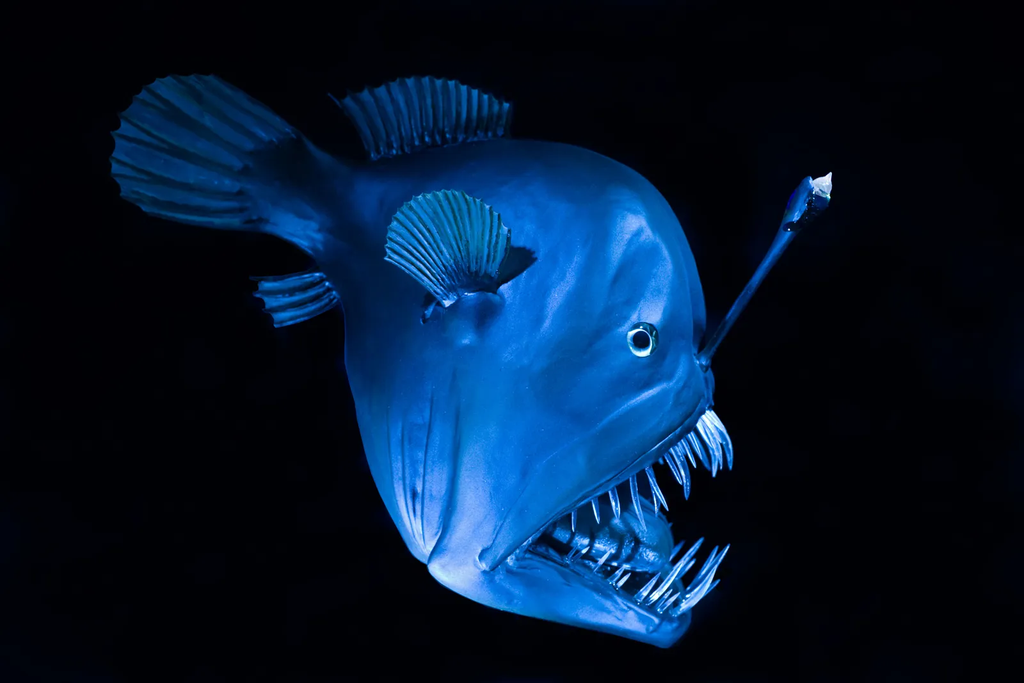
The relationship between angler fish size and their physical features explains why these creatures are successful deep-sea hunters. Their large heads contain powerful jaws filled with sharp teeth designed to capture prey quickly. Some species can expand their stomachs, allowing them to eat animals nearly as large as themselves.
Weight also changes depending on species and body length. Smaller deep-sea anglerfish may weigh only a few ounces, while larger species can become much heavier. Their body structure is perfectly designed for survival in environments where hunting opportunities are rare. Every feature, from their glowing lure to their expandable stomach, supports their ability to survive in extreme ocean conditions.
How Angler Fish Size Helps Them Survive in the Deep Ocean
The angler fish size plays an important role in helping these creatures survive in one of the harshest environments on Earth. Deep ocean areas have extremely low temperatures, high pressure, and limited food availability. Smaller body sizes allow many anglerfish species to conserve energy and survive longer between meals.
Instead of chasing prey, anglerfish use an energy-efficient hunting strategy. They remain still and use their glowing lure to attract curious animals close to their mouths. Their size, patience, and specialised adaptations make them perfectly suited for life in the deep ocean. These survival techniques explain why anglerfish have existed successfully for millions of years.
Conclusion
The angler fish size is far more fascinating than the myths and stories surrounding these mysterious ocean creatures. Although some people imagine anglerfish as giant sea monsters, most species are actually much smaller than expected. Their sizes range from tiny deep-sea fish measuring only a few centimetres to larger species that can reach several feet in length.
Understanding anglerfish measurements reveals how perfectly these animals have adapted to their environments. From the huge difference between male and female sizes to their unique hunting abilities, every aspect of their biology shows the creativity of ocean evolution. The true size of anglerfish makes them even more interesting because their survival depends not on being large, but on being highly specialised.
Frequently Asked Questions
How big is the average angler fish?
Most anglerfish are around 20 to 40 centimetres long, although size varies depending on the species and environment.
How does angler fish size compare to humans?
Most deep-sea anglerfish are much smaller than humans, while some larger species can reach several feet in length.
Why are female anglerfish bigger than males?
Female anglerfish are larger because they need more body space for reproduction and storing energy.
What is the largest angler fish size ever recorded?
Some anglerfish relatives can grow up to around two metres long, making them much larger than common deep-sea species.
Are deep-sea anglerfish really giant creatures?
No, most deep-sea anglerfish are relatively small despite their scary appearance and large teeth.
You May Also Read: Hawaii Map