

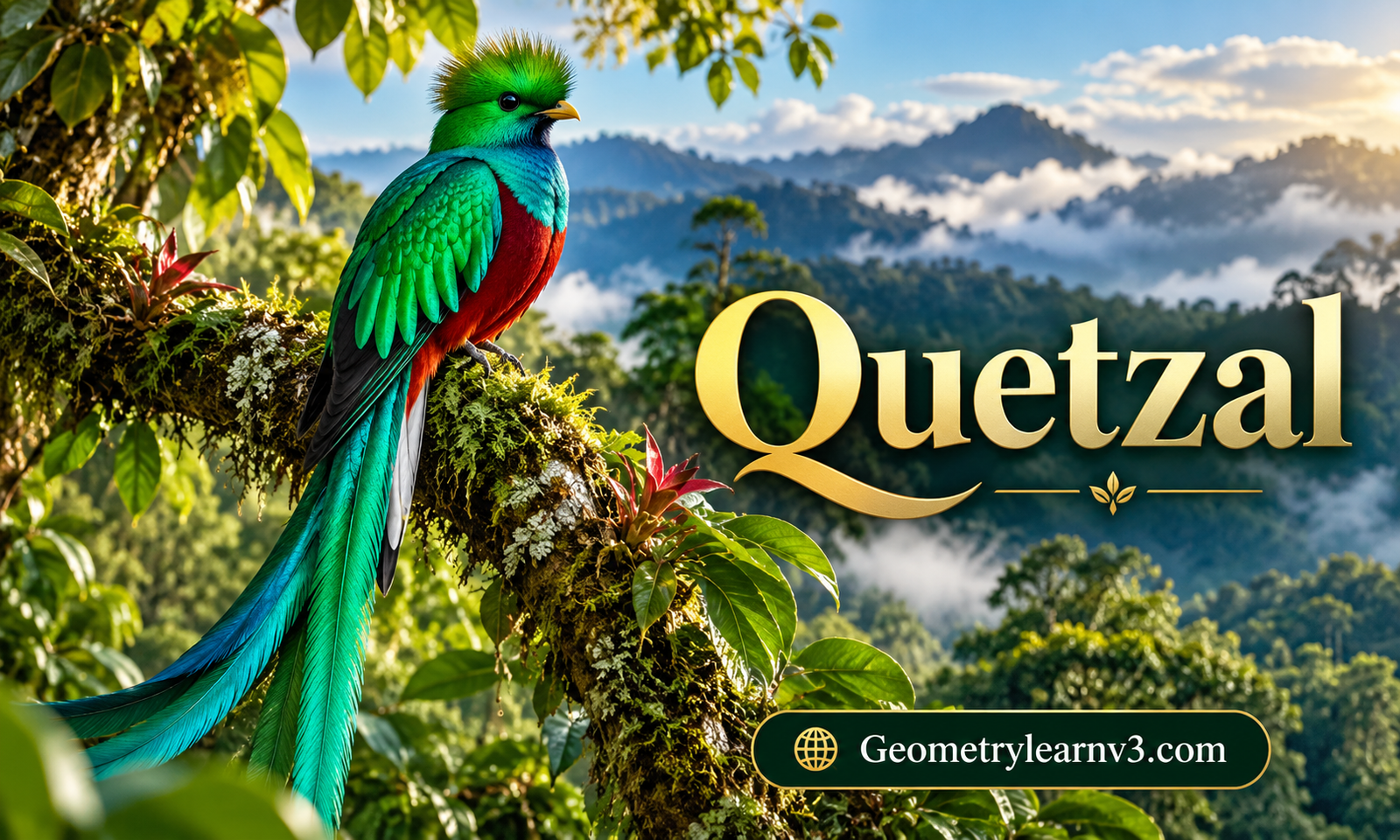
The quetzal is one of the most remarkable and visually stunning birds found in the Americas. Famous for its bright green feathers, elegant appearance, and cultural importance, this bird has fascinated people for centuries. The combination of its rare beauty, mysterious forest lifestyle, and historical connection with ancient civilizations makes it one of the most recognised birds in the world.
The quetzal represents the incredible diversity of tropical ecosystems, especially the cloud forests of Central America. Many nature enthusiasts, photographers, and researchers admire this bird because of its unique appearance and behaviour. Understanding its habitat, characteristics, symbolism, and conservation needs helps people appreciate why this species remains so important.
What Is a Quetzal?
A quetzal is a colourful tropical bird that belongs to the trogon family, a group of birds known for their bright colours and forest-dwelling habits. Several species are included in the quetzal group, but the resplendent quetzal is the most famous because of its extraordinary feathers and cultural significance.
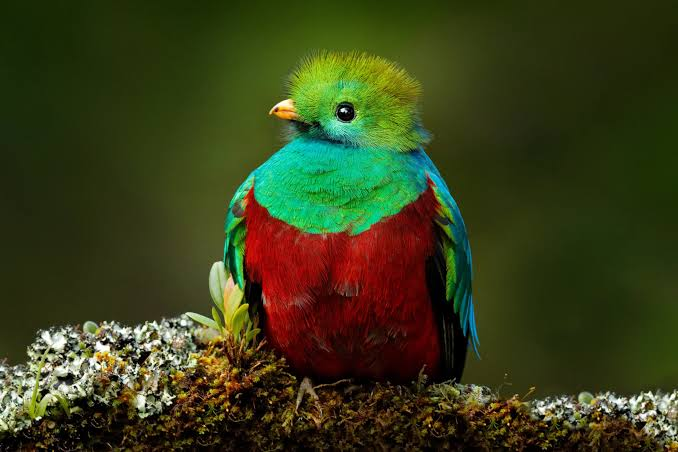
The resplendent quetzal, scientifically known as Pharomachrus mocinno, is mainly found in the mountainous forests of Central America. This species is especially recognised for its emerald-green body, red breast, and long tail feathers that make it different from many other tropical birds.
The name quetzal has roots in ancient Mesoamerican languages and is connected with the idea of valuable green feathers. Historically, these feathers were considered precious and were used by rulers and important figures in ancient Maya and Aztec societies.
Physical Features and Appearance of the Quetzal
The quetzal is famous for its incredible appearance, which makes it one of the most beautiful birds on Earth. Male quetzals are especially impressive because they develop long, flowing tail feathers that can extend much farther than their body length.
The bird’s feathers display a combination of bright emerald, blue-green, and golden shades depending on the light. Its head often features a small crest, while its chest and belly show a strong red colour that creates a striking contrast with its green body.
Female quetzals usually have less dramatic colours compared with males. Their feathers are often more muted, helping them blend into the forest environment while nesting. These differences between males and females are common among many bird species and support survival and reproduction.
Quetzal Habitat and Geographic Distribution
The quetzal lives mainly in tropical cloud forests located in high-altitude regions of Central America. These forests provide the cool, humid environment needed for the bird’s survival. The dense vegetation, old trees, and rich plant life create ideal conditions for feeding and nesting.
The natural range of the quetzal includes southern Mexico, Guatemala, Costa Rica, and other parts of Central America. These regions contain protected forests where the bird can find suitable habitats away from human disturbance.
Cloud forests are among the most important ecosystems on Earth because they support thousands of plant and animal species. The survival of the quetzal depends heavily on protecting these environments from deforestation and habitat destruction.
Quetzal Diet and Feeding Behaviour
The quetzal mainly feeds on fruits found in tropical forests, especially wild avocados and other small forest fruits. Its feeding habits play an important role in maintaining the ecosystem because the bird helps spread seeds throughout its habitat.
Although fruit makes up a large part of its diet, the quetzal also eats insects, small reptiles, and other tiny creatures when available. This flexible feeding behaviour helps the bird survive in changing forest conditions.
By spreading seeds after eating fruits, the quetzal contributes to forest regeneration. This relationship between animals and plants demonstrates how every species plays a role in maintaining a balanced natural environment.
Quetzal Behaviour, Reproduction and Life Cycle
The quetzal is known for being a shy and difficult bird to observe. It usually stays high in forest trees, where it moves quietly among branches while searching for food. Its secretive nature makes seeing one in the wild a special experience.
During breeding season, quetzals create nests inside holes in old trees. Both parents take part in caring for their eggs and feeding their young. These nesting habits make the availability of mature forests extremely important for their survival.
Male quetzals use their impressive tail feathers and colourful appearance during courtship displays. These displays help attract females and demonstrate the importance of their unique physical features in reproduction.
Quetzal Symbolism and Cultural Importance
The quetzal has a deep cultural connection with ancient Maya and Aztec civilizations. These societies considered the bird sacred because of its beauty, rarity, and connection with spiritual beliefs. The feathers of the quetzal were highly valued and represented power, freedom, and wealth.
In ancient times, quetzal feathers were reserved for important leaders and religious ceremonies. The bird was respected and protected because of its special cultural meaning.
Today, the quetzal continues to hold great importance, especially in Guatemala. It is recognised as the national bird of Guatemala, and the country’s currency is also named after this magnificent species.
Why Is the Quetzal Considered One of the Most Beautiful Birds?
The quetzal is considered one of the most beautiful birds because of its extraordinary colours, graceful movement, and rare appearance. Its combination of green feathers, red chest, and long tail creates a look that is unlike many other birds.
Many wildlife photographers and birdwatchers travel to Central America hoping to see this incredible species. Because quetzals live in remote cloud forests and avoid human activity, spotting one requires patience and knowledge of its environment.
Beyond its physical beauty, the quetzal represents the connection between wildlife and cultural history. Its importance goes beyond appearance because it carries ecological and historical value.
Quetzal Conservation Status and Threats
The quetzal faces several challenges due to changes in its natural environment. Habitat loss caused by deforestation and forest fragmentation is one of the biggest threats affecting quetzal populations.
Cloud forests are being affected by human development, agriculture, and climate changes. Since the quetzal depends on specific forest conditions, protecting these areas is essential for maintaining healthy populations.
Conservation organisations and protected areas work to preserve habitats where quetzals can survive. Supporting forest protection helps protect not only the quetzal but also many other species that depend on tropical ecosystems.
Where Can People See a Quetzal?
People interested in seeing a quetzal often visit protected forests in Guatemala, Costa Rica, and southern Mexico. These locations provide opportunities for birdwatching while supporting conservation and environmental awareness.
Finding a quetzal in the wild can be challenging because the bird is quiet, rare, and usually stays in high forest areas. Experienced guides often help visitors locate these birds by understanding their habits and preferred locations.
Responsible wildlife tourism can contribute to conservation by encouraging people to value natural habitats and support efforts to protect endangered environments.
Interesting Facts About the Quetzal
The quetzal has many fascinating characteristics that make it unique among tropical birds. Male quetzals can grow extremely long tail feathers, which are among the most recognisable features of this species.
The bird was considered sacred by ancient civilizations and continues to represent freedom and natural beauty today. Unlike many colourful birds that live in open areas, the quetzal prefers quiet mountain forests.
Another interesting fact is that the quetzal’s image appears in art, culture, and national symbols throughout Central America. Its influence extends beyond nature into history and identity.
Quetzal Compared With Other Tropical Birds
Many tropical birds, including macaws, parrots, and hummingbirds, are famous for their bright colours. However, the quetzal has a unique identity because of its long tail feathers, forest lifestyle, and cultural importance.
Unlike parrots that are known for their intelligence and strong beaks, quetzals are adapted for life in cloud forests. Their behaviour, habitat, and appearance make them completely different from many other colourful bird species.
The combination of beauty, rarity, and symbolism gives the quetzal a special position among the world’s most admired birds.
Conclusion
The quetzal is a remarkable bird that represents beauty, biodiversity, and cultural heritage. From its colourful feathers and unique forest habitat to its important role in ancient civilizations, this bird continues to inspire people around the world.
Protecting the natural environments where quetzals live is essential for future generations. By supporting conservation efforts and respecting wildlife habitats, humans can help ensure that this magnificent bird continues to survive and remain a symbol of nature’s incredible diversity.
FAQs
What is a quetzal bird?
A quetzal is a colourful tropical bird from the trogon family, famous for its green feathers and long tail.
Where does the quetzal live?
The quetzal mainly lives in cloud forests across Central America, including Guatemala, Mexico, and Costa Rica.
Why is the quetzal important in Guatemala?
The quetzal is Guatemala’s national bird and represents freedom, beauty, and cultural history.
What does a quetzal eat?
A quetzal mainly eats fruits, berries, wild avocados, insects, and small animals.
Are quetzals endangered?
Quetzals face threats from habitat loss and environmental changes, making conservation efforts important.
You May Also Read: Schoology Alfa