

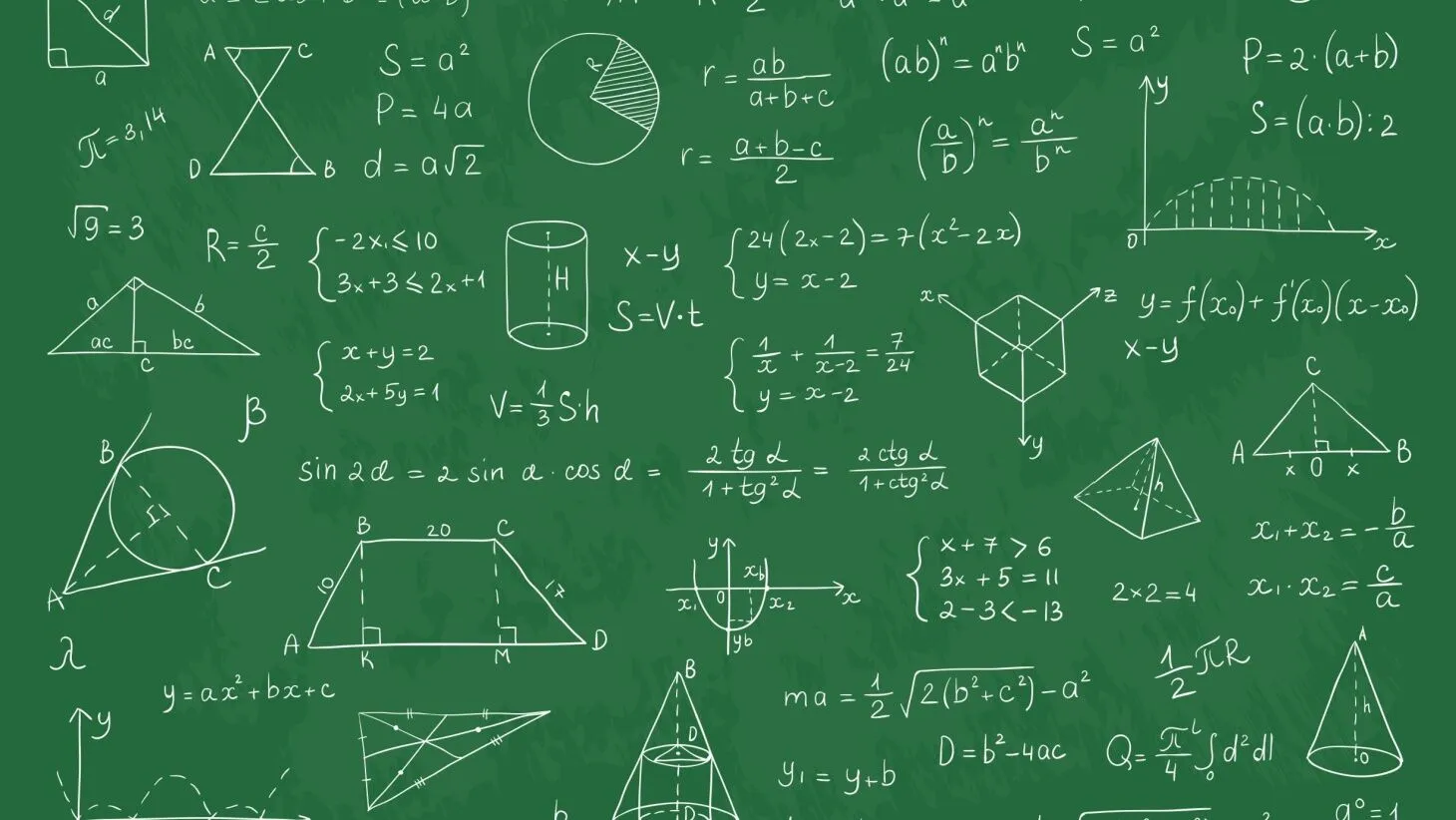
The SAT Math section evaluates a student’s ability to understand mathematical concepts, solve problems efficiently, and apply formulas correctly. Geometry is one of the most important parts of the exam because many questions involve shapes, measurements, angles, coordinate systems, and spatial reasoning. Learning SAT geometry formulas helps students approach these questions with confidence, reduce calculation time, and improve their overall performance during the test.
Geometry problems on the SAT are designed to measure more than simple memorization. Students must understand how formulas work and recognize which equation applies to a specific situation. A strong understanding of geometry concepts allows learners to solve unfamiliar problems by analyzing diagrams, identifying given information, and applying the correct mathematical principles. This makes formula knowledge a powerful tool for SAT success.
What Are SAT Geometry Formulas and Why Are They Important?
SAT geometry formulas are mathematical equations used to calculate different measurements related to geometric shapes and figures. These formulas help students find values such as area, perimeter, volume, circumference, distance, and angles. Instead of spending extra time creating solutions from basic concepts, students can use these formulas to solve problems quickly and accurately during the exam.
Many students prepare with a SAT geometry formulas PDF because it provides a convenient collection of important equations in one place. These resources often include formulas for circles, triangles, rectangles, coordinate geometry, and three-dimensional shapes. However, understanding how each formula works is more valuable than memorizing equations without knowing their practical use.
Essential SAT Geometry Formulas for Two-Dimensional Shapes
Two-dimensional geometry focuses on flat shapes that have length and width. These shapes appear frequently in SAT questions because they test students’ understanding of measurements and relationships between different parts of a figure. Common two-dimensional shapes include squares, rectangles, triangles, circles, parallelograms, and polygons.
Students should know important formulas for calculating area and perimeter. For example, rectangle problems require knowledge of length and width relationships, while square problems involve side measurements. Triangle questions often require the area formula using base and height, while circle questions involve radius, diameter, circumference, and area calculations. These formulas form the foundation of many SAT geometry problems.
A complete SAT geometry formulas list helps students organize important equations and review them efficiently. By practicing these formulas with different examples, students can quickly identify patterns and choose the correct method when solving geometry questions on the SAT.
SAT Geometry Formulas for Triangles and Circles
Triangles are one of the most commonly tested topics in SAT geometry. Students should understand different triangle types and the formulas connected to them. Important triangle concepts include the area formula, perimeter calculations, angle relationships, and the Pythagorean theorem. These concepts help solve problems involving missing side lengths, angles, and measurements.
Special right triangles are also important because the SAT frequently includes questions involving 45-45-90 and 30-60-90 triangle relationships. Knowing these patterns allows students to solve problems faster without performing lengthy calculations. Triangle formulas become much easier when students understand how sides and angles are connected.
Circle problems are another major part of SAT geometry. Students should understand formulas for finding the area and circumference of circles. Questions may involve finding radius, diameter, or using circle equations in coordinate geometry. Practicing SAT geometry formulas with circle examples helps students become comfortable with different question styles.
SAT Geometry Formulas for Area, Perimeter, and Volume
Area, perimeter, and volume are key measurement concepts that appear throughout the SAT Math section. Area measures the amount of space inside a two-dimensional figure, perimeter measures the distance around a shape, and volume measures the space occupied by a three-dimensional object. Understanding these differences is essential for avoiding common mistakes.
Students should know area formulas for common shapes such as triangles, rectangles, circles, and parallelograms. Perimeter formulas help calculate the total boundary length of shapes, while volume formulas are used for objects like cubes, cylinders, cones, and rectangular prisms. These concepts are frequently combined in SAT problems.
Using a SAT geometry formulas sheet during preparation can help students quickly review these measurement concepts. A well-organized sheet allows learners to compare formulas and understand when each equation should be applied. Regular practice improves speed and accuracy when answering SAT geometry questions.
Digital SAT Geometry Formulas and Reference Sheet Information
The Digital SAT provides students with a reference sheet that includes several important formulas. However, having access to formulas does not mean students can skip studying geometry. The exam requires students to understand concepts, interpret diagrams, and determine which formula is appropriate for each problem.
Digital SAT geometry formulas commonly involve topics such as circles, triangles, volume, coordinate geometry, and measurement calculations. Students should practice applying these formulas before test day so they do not waste valuable time searching for information during the exam.
Although some formulas are available on the SAT reference sheet, memorizing commonly used equations can provide an advantage. Familiarity with formulas allows students to focus more on solving problems rather than remembering basic calculations.
All SAT Geometry Formulas Students Should Master
A complete collection of all SAT geometry formulas includes equations for different shapes, measurements, and coordinate relationships. Students should understand formulas related to circles, triangles, rectangles, polygons, solid figures, and coordinate geometry. These formulas cover many of the concepts tested in the SAT Math section.
Coordinate geometry formulas are especially important because they connect algebra with geometry. Students should understand the distance formula, midpoint formula, slope formula, and equation of a circle. These concepts often appear in SAT questions that require analyzing points and lines on a coordinate plane.
Creating a personal formula review guide can help students remember important equations. Organizing formulas by topic makes revision easier and allows learners to quickly find information while practicing SAT questions.
SAT Geometry Formulas and Important Theorems
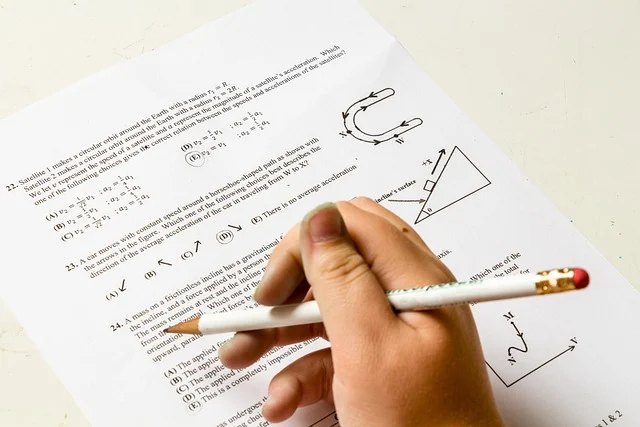
Geometry theorems explain relationships between shapes and provide the reasoning behind many formulas. While formulas help calculate answers, theorems help students understand why certain relationships exist. This deeper understanding allows learners to solve more challenging SAT geometry problems.
Important theorems include the triangle angle sum theorem, exterior angle theorem, similarity rules, and circle properties. Students should also understand how similar figures work because SAT questions often involve proportional relationships between shapes.
Studying both formulas and theorems creates a stronger geometry foundation. Students who understand concepts instead of only memorizing equations are better prepared to solve complex and unfamiliar problems during the SAT exam.
SAT Geometry Formulas PDF and Study Guide Benefits
Many students use a SAT geometry formulas PDF as part of their exam preparation because it provides quick access to essential information. A quality formula guide can include equations, diagrams, examples, and explanations that make studying more organized and effective.
Printable formula sheets are especially useful during revision because students can review important concepts regularly. Keeping formulas grouped by topics such as triangles, circles, volume, and coordinate geometry helps learners study more efficiently.
However, formula guides should be combined with practice questions. Simply reading formulas is not enough; students need to apply them in different situations to develop problem-solving skills and exam confidence.
How to Learn and Apply SAT Geometry Formulas Effectively
Learning SAT geometry formulas requires consistent practice and a clear understanding of mathematical concepts. Students should focus on knowing what each formula represents and when it should be used. Connecting formulas with diagrams and real-life examples makes them easier to remember.
Practice is one of the most effective ways to improve geometry skills. Students should solve different SAT-style problems, analyze mistakes, and review incorrect answers. This process helps identify weak areas and improves accuracy over time.
A balanced study approach that combines formula review, practice tests, and concept learning can significantly improve SAT performance. With regular preparation, students can become more comfortable solving geometry problems under exam conditions.
Conclusion
SAT geometry formulas are essential tools for students preparing for the SAT Math section. They provide the foundation needed to solve problems involving shapes, measurements, angles, and coordinate relationships. Understanding these formulas allows students to work faster and approach geometry questions with greater confidence.
Using resources such as SAT geometry formulas PDF guides, printable sheets, and practice examples can make preparation more effective. By combining formula knowledge with strong problem-solving skills, students can improve their accuracy and increase their chances of achieving a higher SAT score.
Frequently Asked Questions
What are SAT geometry formulas?
SAT geometry formulas are equations used to solve geometry problems involving shapes, measurements, angles, area, perimeter, volume, and coordinate geometry.
Which SAT geometry formulas are most important?
Important formulas include triangle area, circle area and circumference, volume formulas, Pythagorean theorem, distance formula, and coordinate geometry equations.
Does the SAT provide geometry formulas during the exam?
Yes, the SAT provides a reference sheet with several formulas, but students still need to understand how to apply them.
Where can I find SAT geometry formulas PDF resources?
Students can find formula guides online that organize important SAT geometry equations, examples, and explanations for easier preparation.
How can I remember SAT geometry formulas easily?
Students can remember formulas through regular practice, creating study sheets, solving examples, and reviewing concepts frequently.
Are digital SAT geometry formulas different from traditional SAT formulas?
The Digital SAT uses a similar set of geometry concepts, but students should understand how to apply formulas within the updated exam format.
You May Also Read: All Geometry Formulas