

The 5.3 LS engine has become one of the most recognised and respected V8 engines produced by General Motors. Known for its durability, affordability, and excellent tuning potential, this engine has found its way into millions of trucks, SUVs, and performance vehicles. Many enthusiasts search for information about 5.3 LS bore and stroke because these measurements play a crucial role in determining engine displacement, horsepower, and torque output.
Understanding 5.3 LS bore and stroke specifications is important for anyone considering engine modifications, rebuilds, or performance upgrades. Whether you are a beginner learning about engine design or an experienced builder planning a stroker project, knowing how bore and stroke affect performance can help you make informed decisions and maximise the engine’s capabilities.
What Is the 5.3 LS Engine?
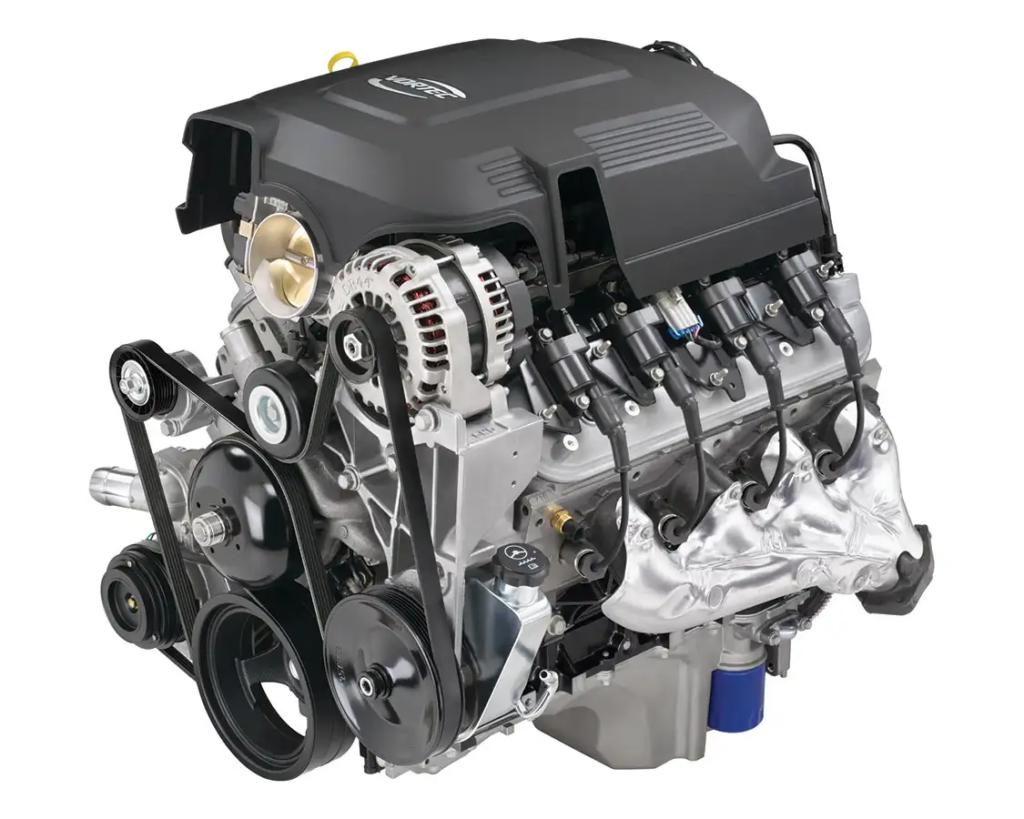
The 5.3 LS engine belongs to General Motors’ famous LS family, a series of small-block V8 engines that gained popularity for their strength and versatility. Introduced in the late 1990s, the 5.3-litre version quickly became a favourite in GM trucks and SUVs. It offered a perfect balance of power, fuel efficiency, and long-term reliability.
Over the years, several versions of the engine were released, including the LM7, LH6, L33, LC9, and LMG. Each variation featured slight differences in materials, compression ratios, and technology. Despite these differences, the core design remained highly effective, helping establish the 5.3 LS as one of the most commonly swapped and modified engines in the automotive world.
Understanding 5.3 LS Bore and Stroke
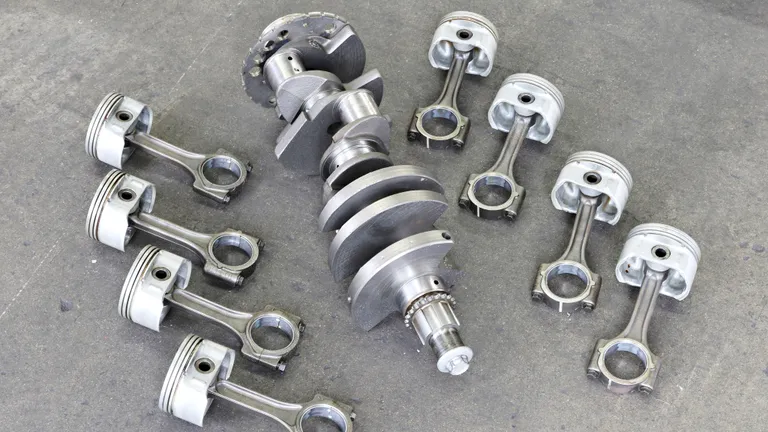
The term bore refers to the diameter of each cylinder within the engine block, while stroke describes the distance travelled by the piston from the top to the bottom of the cylinder. Together, these two measurements determine the engine’s displacement and greatly influence how the engine performs under different conditions.
The factory 5.3 LS bore and stroke measurements are approximately 3.780 inches and 3.622 inches. This combination produces a displacement of roughly 325 cubic inches, which equals 5.3 litres. The carefully balanced dimensions provide an excellent mix of horsepower and torque, making the engine suitable for towing, daily driving, and performance applications.
Engine Specifications and Dimensions
Beyond the 5.3 LS bore and stroke figures, the engine features several important specifications that contribute to its success. Depending on the model, the engine may use either a cast-iron or aluminium block. Compression ratios generally range from 9.5:1 to over 10:1, depending on the specific version and intended application.
The engine also incorporates strong connecting rods, efficient cylinder heads, and lightweight pistons. These components work together to create a durable and responsive powerplant. The thoughtful engineering behind the 5.3 LS engine explains why it remains popular among enthusiasts seeking both reliability and performance.
How Bore and Stroke Affect Performance
Bore and stroke dimensions directly influence the way an engine produces power. A larger bore allows for bigger valves and improved airflow, helping the engine generate more horsepower at higher engine speeds. This characteristic is particularly beneficial for performance applications where maximum power is a priority.
Stroke length affects torque production by increasing the leverage applied to the crankshaft. A longer stroke generally creates stronger low-end torque, which improves acceleration and towing capability. The stock 5.3 LS bore and stroke combination offers a balanced approach, providing enough horsepower for spirited driving while maintaining excellent torque for practical use.
Horsepower and Torque Potential
One reason the 5.3 LS engine remains so popular is its impressive power output. Depending on the model year and configuration, factory horsepower ratings typically range from 270 to over 320 horsepower. Torque figures often fall between 315 and 340 lb-ft, delivering strong performance in a variety of vehicles.
The engine’s true potential becomes apparent when modifications are introduced. Simple upgrades such as a performance camshaft, cold-air intake, exhaust improvements, and ECU tuning can significantly increase power. Many builders achieve substantial horsepower gains while retaining the reliability that the LS platform is known for.
Comparing the 5.3 LS with Other LS Engines
The LS family includes several different engine sizes, and comparing them highlights the strengths of the 5.3 LS. The smaller 4.8 LS shares a similar bore but uses a shorter stroke, resulting in lower torque output. While capable, it generally lacks the flexibility offered by the larger 5.3-litre engine.
Compared with the 6.0 LS and 6.2 LS engines, the 5.3 LS produces slightly less power in stock form. However, its affordability and widespread availability make it an attractive choice for performance enthusiasts. Many builders choose the 5.3 LS because it offers excellent value and responds exceptionally well to upgrades.
Stroker Builds and Performance Upgrades
A popular way to increase engine performance is through stroker conversions. By installing a crankshaft with a longer stroke, builders can increase displacement and generate additional torque. Many enthusiasts transform the standard 5.3-litre engine into a 383 cubic-inch stroker, creating impressive performance gains.
Overboring is another common modification associated with 5.3 LS bore and stroke upgrades. Increasing the cylinder diameter slightly can improve airflow and displacement. When combined with upgraded pistons, cylinder heads, and tuning, these modifications can produce remarkable horsepower and torque improvements suitable for both street and track use.
Important Considerations for Engine Builders
Before modifying any engine, it is essential to consider factors such as cylinder wall thickness, piston-to-valve clearance, and overall engine durability. Altering bore and stroke dimensions without proper planning can lead to reliability issues and unnecessary expenses during the build process.
Professional machining and accurate measurements are critical when performing performance upgrades. Builders should carefully match components to their desired goals and ensure all parts work together efficiently. Taking a methodical approach helps maximise power gains while maintaining the long-term reliability of the engine.
Conclusion
The 5.3 LS engine has earned its reputation as one of the most versatile and dependable V8 engines ever produced. Its balanced design, affordable cost, and excellent aftermarket support have made it a favourite among mechanics, racers, and automotive enthusiasts across the world.
Understanding 5.3 LS bore and stroke specifications provides valuable insight into how the engine generates power and why it performs so well in a wide range of applications. Whether left in factory condition or transformed through extensive modifications, the 5.3 LS continues to demonstrate why it remains a benchmark for performance and reliability.
FAQs
What is the stock 5.3 LS bore and stroke?
The stock 5.3 LS bore and stroke measurements are approximately 3.780 inches and 3.622 inches.
How much horsepower does a stock 5.3 LS engine make?
Most factory versions produce between 270 and 320 horsepower, depending on the model and year.
Can a 5.3 LS be bored out safely?
Yes, many 5.3 LS engines can be safely bored by a professional machine shop, provided cylinder wall thickness remains within acceptable limits.
What is a stroker 5.3 LS engine?
A stroker engine uses a longer-stroke crankshaft to increase displacement and improve torque output.
Why is the 5.3 LS engine so popular?
The engine is popular because of its reliability, affordability, tuning potential, and wide availability in the used market.
You May Also Read: Millstone Stone Tools