

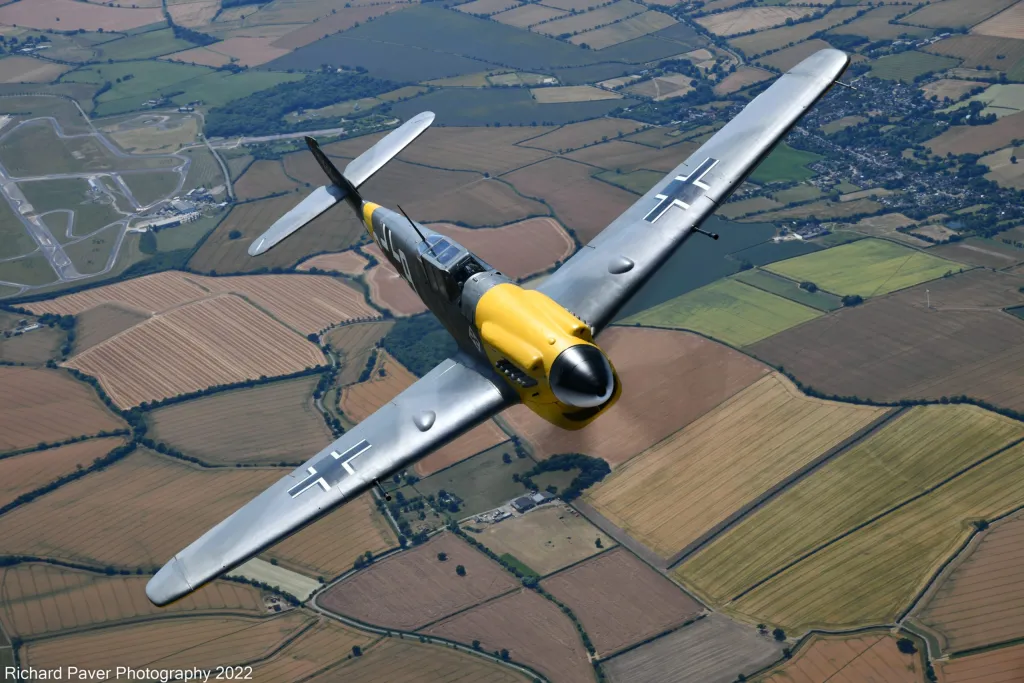
The Me109 is one of the most famous fighter aircraft ever created and remains a major topic among aviation historians, military enthusiasts, and World War II researchers. Officially known as the Messerschmitt Bf 109, this German fighter aircraft became the foundation of the Luftwaffe’s fighter force during World War II. Its combination of advanced engineering, powerful performance, and continuous upgrades allowed it to remain competitive throughout one of the most important periods in aviation history.
The story of the Me109 represents the rapid development of military aircraft during the 20th century. From its first flight in the 1930s to its service in major battles across Europe and North Africa, the aircraft played a significant role in aerial warfare. This guide explores the history, design, specifications, variants, combat record, and lasting legacy of the legendary Messerschmitt fighter.
What Is the Me109? Overview of the Famous Fighter Aircraft
The Me109 was a single-engine, single-seat fighter aircraft designed and developed in Germany during the 1930s. It was created by Bayerische Flugzeugwerke and later became strongly connected with aircraft designer Willy Messerschmitt. Although the aircraft is commonly called the Me109, its official military designation was the Bf 109. The different names have caused confusion among aviation fans, but both terms generally describe the same aircraft family.
The aircraft was designed to provide Germany with a modern air superiority fighter capable of competing with advanced aircraft from other nations. The Me109 featured a low-wing monoplane design, retractable landing gear, an enclosed cockpit, and a lightweight metal structure. These features gave it excellent speed, climbing ability, and maneuverability compared with many aircraft of its era.
History and Development of the Me109 Aircraft
The development of the Me109 began during a period when Germany was rebuilding its aviation industry in the 1930s. German engineers wanted a fighter aircraft that could provide better performance than older biplane designs. Willy Messerschmitt and his engineering team focused on creating a lightweight aircraft with a powerful engine and advanced aerodynamic design.
The first prototype of the Me109 completed its initial flight in 1935. Testing showed that the aircraft had impressive speed and handling characteristics, helping it secure a position as Germany’s primary fighter aircraft. It entered operational service in 1937 and quickly became an important part of the Luftwaffe before the beginning of World War II.
During its service life, the Me109 received many improvements to match changing battlefield requirements. Engineers developed new versions with stronger engines, improved weapons, and enhanced protection. These upgrades allowed the aircraft to remain useful even as Allied fighter technology continued to advance.
Me109 Design and Engineering Features
The design of the Me109 was considered highly advanced when it first appeared. The aircraft focused on efficiency by combining a small airframe with a powerful engine. This approach allowed the fighter to achieve impressive performance while maintaining good control during combat situations.
One of the aircraft’s important features was its aerodynamic shape. The streamlined body reduced air resistance and helped increase speed. The retractable landing gear and enclosed cockpit also improved performance compared with earlier fighter aircraft. These design choices made the Me109 one of the most modern fighters of the 1930s.
The aircraft’s engineering also allowed easier production and maintenance during wartime. Its structure was designed for mass manufacturing, which helped Germany produce thousands of units. The combination of innovation and practical construction contributed to the aircraft’s long operational history.
Me109 Engine, Speed and Technical Specifications
The Me109 was powered by powerful Daimler-Benz V12 engines that provided excellent performance for a single-engine fighter. Different versions received upgraded engines with increased horsepower, allowing improved speed, climbing ability, and combat effectiveness. The engine design became one of the key reasons behind the aircraft’s success.
The specifications of the Me109 changed depending on the production model. Early versions had lighter engines and basic weapons, while later variants featured stronger engines, heavier armament, and improved battlefield capabilities. Some later models reached speeds above 400 mph, making them highly competitive against many Allied aircraft.
The aircraft normally carried one pilot and was equipped with machine guns and cannons depending on the variant. Its combination of speed, firepower, and agility made it suitable for air superiority missions, interception duties, and defensive operations throughout World War II.
Me109 Variants and Major Models Explained
Throughout its production period, the Me109 was developed into numerous variants to meet changing military needs. Each version introduced improvements in performance, weapons, and reliability. The early B and C models helped establish the aircraft’s reputation, while later versions became more powerful and capable.
The Me 109 E series, also known as the Emil, became one of the most recognized versions because of its role during the Battle of Britain. It featured improved weapons and engine performance, making it a major fighter during early WWII operations. The F series introduced better aerodynamics and improved handling characteristics.
The G series, commonly called Gustav, became the most produced variant of the Me 109. It included stronger engines and additional equipment to improve combat performance. The final K series represented the last major production version and included several improvements developed during the later stages of the war.
Me109 Combat History During World War II
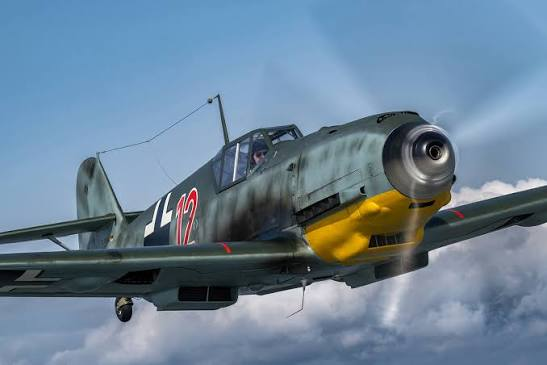
The Me109 gained early combat experience during the Spanish Civil War, where it was tested in real battlefield conditions. This experience helped German engineers and pilots improve aircraft tactics and performance before World War II began. The aircraft quickly became a central part of German air operations.
During the Battle of Britain, the Me109 faced some of the most famous fighter aircraft in history, including the British Supermarine Spitfire. The German fighter had excellent speed and climbing ability, but its limited fuel range created challenges during long missions over Britain.
The Me 109 also served extensively on the Eastern Front, in North Africa, and across Europe. Many successful Luftwaffe pilots flew different versions of the aircraft and achieved significant combat victories. Its widespread use made it one of the defining fighter aircraft of WWII.
Me 109 vs Other Famous WWII Fighter Aircraft
The Me 109 was frequently compared with other legendary fighters such as the Supermarine Spitfire, North American P-51 Mustang, and Focke-Wulf Fw 190. These comparisons highlight the different strengths and weaknesses of each aircraft design.
Compared with the Spitfire, the Me 109 had strong climbing performance and powerful weapons, while the Spitfire was known for excellent maneuverability. Against the P-51 Mustang, the Me 109 faced challenges because the Mustang offered longer range and advanced performance during the later years of the war.
The comparison between the Me 109 and other WWII fighters shows how aircraft design depended on mission requirements. While newer fighters eventually surpassed it in some areas, the Me 109 remained one of the most influential aircraft of its generation.
Why Was the Me 109 So Successful?
The success of the Me 109 came from several important factors, including advanced engineering, reliable performance, and continuous modernization. The aircraft was designed with future improvements in mind, allowing engineers to upgrade engines, weapons, and equipment throughout its service life.
Another reason for its success was large-scale production. Thousands of aircraft were built, allowing Germany to maintain a strong fighter force during the early years of World War II. Its combination of speed, firepower, and adaptability helped it remain active throughout the conflict.
Me 109 Today: Surviving Aircraft and Historical Legacy
Today, surviving Me 109 aircraft are preserved in museums and private collections around the world. Some restored examples continue flying at aviation events, allowing modern audiences to experience an important piece of military history.
The aircraft remains a popular subject among historians, researchers, and aviation enthusiasts. Its influence on fighter aircraft development and its role in WWII ensure that the Me 109 continues to hold a unique place in aviation history.
Interesting Facts About the Me 109
The Me 109 is one of the most produced fighter aircraft in history, with more than 33,000 units manufactured. Its long service life, multiple variants, and involvement in major battles helped establish its legendary reputation among WWII aircraft.
Another interesting fact is the naming debate between Me 109 and Bf 109. While many people continue using the Me 109 name, aviation experts usually refer to the aircraft by its official designation, Bf 109.
Conclusion
The Me 109 remains one of the most important fighter aircraft ever developed. Its innovative design, powerful engine, and extensive combat history made it a defining aircraft of World War II aviation. The fighter demonstrated how engineering improvements and battlefield experience could transform military aircraft performance.
Even decades after its final combat missions, the Me 109 continues to attract interest from aviation enthusiasts around the world. Its historical importance, technical achievements, and influence on fighter design ensure that it remains a legendary symbol of 20th-century aviation.
Frequently Asked Questions
What is the Me 109?
The Me 109 is the common name for the Messerschmitt Bf 109, a famous German fighter aircraft used during World War II.
Why is the Me 109 also called the Bf 109?
The aircraft was officially named Bf 109 because it was developed by Bayerische Flugzeugwerke before becoming linked with Messerschmitt.
How fast could the Me 109 fly?
Depending on the variant, the Me 109 could reach speeds of more than 400 mph, making it one of the fastest fighters of its time.
How many Me 109 aircraft were built?
More than 33,000 Me 109 aircraft were produced, making it one of the most manufactured fighter planes in history.
Is the Me 109 still flying today?
Yes, some restored Me 109 aircraft are preserved in museums and private collections, with a few still flying at aviation events.
You May Also Read: California Hwy 58