

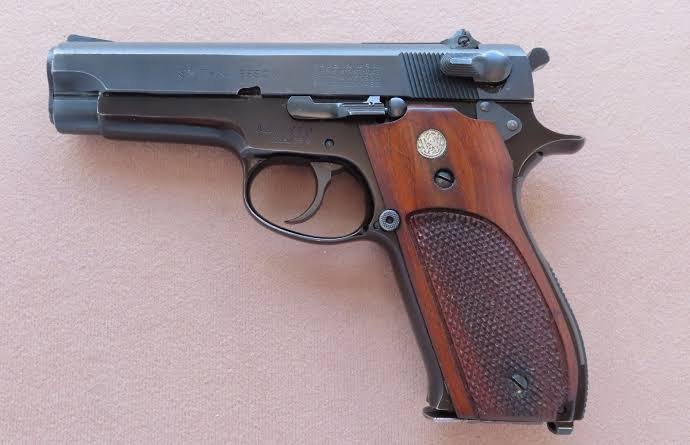
The Smith Wesson 39 is a historically important semi-automatic pistol that played a major role in the development of American handgun design. Introduced in the 1950s, it became Smith & Wesson’s first successful double-action semi-automatic pistol and represented a major shift from the company’s traditional revolver-focused history. The Model 39 was designed during a period when military and law enforcement agencies were showing increasing interest in modern semi-automatic handguns, especially those using the 9mm cartridge.
The importance of the Smith Wesson 39 goes beyond its production years because it helped shape future Smith & Wesson pistol designs. With its innovative trigger system, lightweight frame, and classic appearance, the Model 39 attracted attention from collectors, historians, and firearm enthusiasts. Today, it remains recognized as a milestone handgun that helped introduce American shooters to a new generation of semi-automatic pistol technology.
Smith Wesson 39 History and Development
The history of the Smith Wesson 39 began in the early 1950s when Smith & Wesson started exploring the development of a modern semi-automatic pistol. At the time, American handgun manufacturers were primarily known for revolvers, while European companies were producing advanced semi-automatic designs. Smith & Wesson wanted to create a pistol that combined American manufacturing quality with modern operating features.
The Smith Wesson 39 was developed for the U.S. Army service pistol trials of 1954. Although it was not selected as the official military sidearm, the project provided valuable experience and helped Smith & Wesson enter the semi-automatic handgun market. The pistol was officially introduced in 1955 and quickly became an important part of the company’s history.
The development of the Model 39 showed Smith & Wesson’s ability to adapt to changing handgun trends. The pistol introduced features that were uncommon among American handguns of that era, including a double-action trigger system and a 9mm chambering. These characteristics helped establish the foundation for many future Smith & Wesson semi-automatic pistols.
Smith Wesson 39 Design and Features
The Smith Wesson 39 featured a design that was considered advanced when it was introduced. One of its most notable features was the double-action/single-action trigger system, which allowed the first shot to be fired using a longer double-action trigger pull while follow-up shots used a lighter single-action pull. This system provided shooters with more flexibility and control.
The pistol was chambered in 9mm Parabellum, a cartridge that was becoming increasingly popular around the world. The Smith Wesson 39 also used a lightweight aluminum alloy frame in many versions, helping reduce overall weight while maintaining a strong and durable structure. This made it more comfortable for carrying compared with many heavier steel-frame pistols available during the same period.
Another important feature was the manual safety and decocking system. These elements improved handling and gave users additional control over the pistol’s operation. The combination of practical features, ergonomic design, and reliable construction helped the Model 39 gain recognition among handgun enthusiasts.
Smith Wesson 39 Specifications and Technical Details
The Smith Wesson 39 was designed as a compact service pistol with specifications that balanced performance, size, and handling. The pistol used the 9mm Parabellum cartridge and featured a four-inch barrel, making it suitable for general-purpose use. Its design focused on creating a reliable semi-automatic handgun that was easier to carry than many traditional service revolvers.
The original Model 39 featured a steel slide, lightweight frame, and magazine system designed for the needs of its time. The pistol’s combination of manageable size and practical features made it attractive for civilian owners, law enforcement interest, and collectors. While modern handguns offer advanced materials and improved capacity, the Model 39 remains respected for its historical engineering.
Understanding the specifications of the Smith Wesson 39 helps explain why the pistol became influential. It was not simply another handgun from the 1950s; it represented a transition toward modern semi-automatic designs in the United States. Many later Smith & Wesson pistols benefited from the ideas introduced through the Model 39 platform.
Smith Wesson 39 and Model 39-2 Differences
The Smith Wesson 39-2 was an improved version of the original Model 39. Smith & Wesson introduced this updated model to improve reliability, manufacturing consistency, and overall performance. While both pistols shared the same basic design philosophy, the Model 39-2 included refinements that made it a popular choice among collectors and enthusiasts.
The differences between the Smith Wesson 39 and Model 39-2 included internal updates and design improvements. These changes addressed some issues found in earlier versions and helped make the later model more dependable. The Model 39-2 maintained the classic features of the original pistol while offering improvements based on experience from years of production.
Collectors often compare these two versions because each represents an important stage in Smith & Wesson’s semi-automatic development. Early Model 39 examples are valued for their historical significance, while Model 39-2 pistols are appreciated for their refinements and improved production quality.
Smith Wesson 39 Navy SEAL Connection
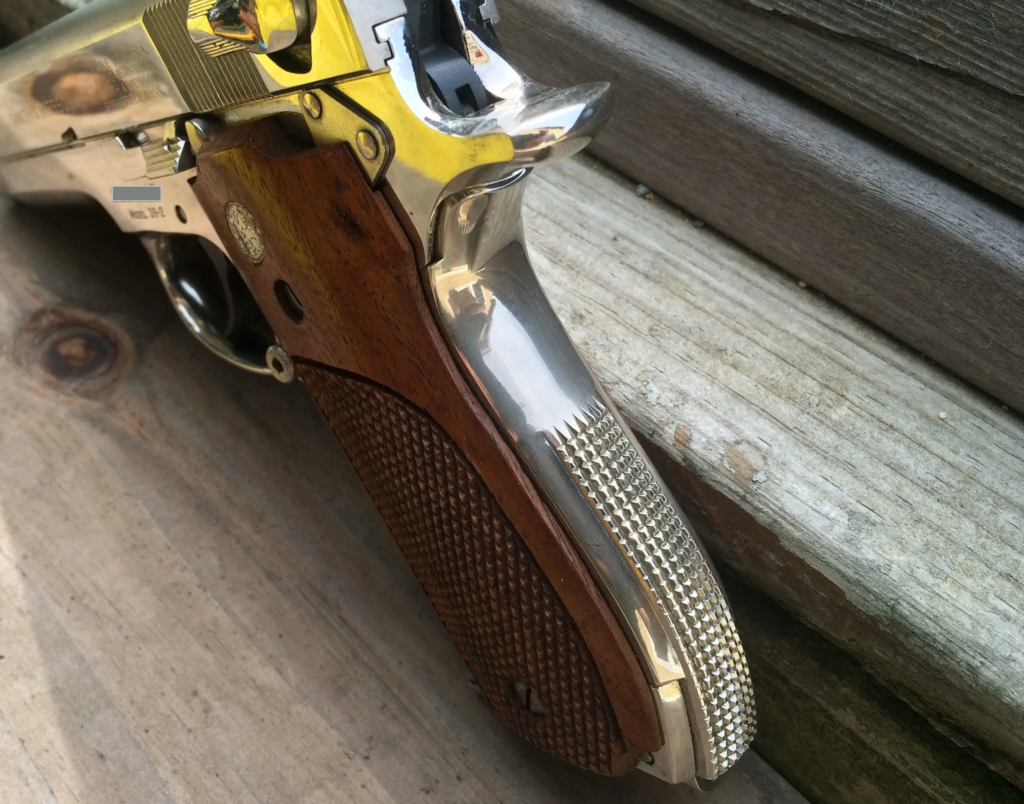
One of the most famous aspects of the Smith Wesson 39 is its association with specialized Navy SEAL operations. A modified version of the pistol became known for use in special missions and was connected with the “Hush Puppy” program. This connection added a unique chapter to the history of the Model 39.
The specialized Navy SEAL versions included modifications designed for specific operational needs. These changes helped the pistol work effectively in situations requiring reduced noise and specialized equipment. Although the standard Smith Wesson 39 was not widely adopted as a military service handgun, its specialized use increased its reputation among firearm historians.
The Navy SEAL connection has contributed significantly to the Model 39’s collector appeal. Many enthusiasts are interested in the pistol because it represents not only an important Smith & Wesson design but also a connection to unique military history.
Smith Wesson 39 Legacy and Collector Interest
The legacy of the Smith Wesson 39 continues because of its role in shaping modern semi-automatic handgun development. It helped move Smith & Wesson beyond traditional revolvers and introduced design concepts that influenced later pistol models. The Model 39 remains an example of innovation during a major transition period in firearm history.
Collectors appreciate the Smith Wesson 39 because of its historical importance, classic design, and connection to early semi-automatic pistol development. Factors such as condition, original parts, finish, production year, and rarity can influence collector interest. Original examples with unique features often receive additional attention from enthusiasts.
Although newer pistols offer higher capacity and modern improvements, the Model 39 remains respected for what it represented. It was a pioneering handgun that helped define Smith & Wesson’s future in the semi-automatic market and continues to hold a special place among classic American pistols.
Conclusion
The Smith Wesson 39 remains one of the most significant semi-automatic pistols produced by Smith & Wesson. Its introduction marked an important moment when American handgun manufacturers began embracing modern pistol designs. With its 9mm chambering, double-action/single-action system, and innovative features, the Model 39 became a foundation for future handgun development.
From its early military trials to its Navy SEAL connection and collector popularity, the Smith Wesson 39 has maintained a lasting legacy. While it belongs to an earlier era of firearm design, its influence can still be seen in later Smith & Wesson pistols. For historians and collectors, the Model 39 represents a valuable piece of American handgun history.
Frequently Asked Questions
What is the Smith Wesson 39?
The Smith Wesson 39 is a 9mm semi-automatic pistol introduced in 1955. It was Smith & Wesson’s first successful double-action semi-automatic handgun and became an important design in American pistol history.
What caliber does the Smith Wesson 39 use?
The Smith Wesson 39 uses the 9mm Parabellum cartridge. This caliber choice helped make it competitive with popular international semi-automatic pistols of its time.
When was the Smith Wesson Model 39 made?
The Smith Wesson Model 39 was introduced in 1955 and remained in production through later updates, including the Model 39-2 variant.
What is the difference between the Smith Wesson 39 and 39-2?
The Model 39-2 included several internal improvements and manufacturing refinements compared with the original Model 39, making it a more updated version of the classic design.
Was the Smith Wesson 39 used by the Navy SEALs?
A modified version of the Model 39 was used in specialized Navy SEAL applications, which contributed to the pistol’s historical reputation.
Why is the Smith Wesson 39 important?
The Smith Wesson 39 is important because it helped establish Smith & Wesson as a major producer of semi-automatic pistols and influenced future handgun designs.
You May Also Read: Paddan Aram