

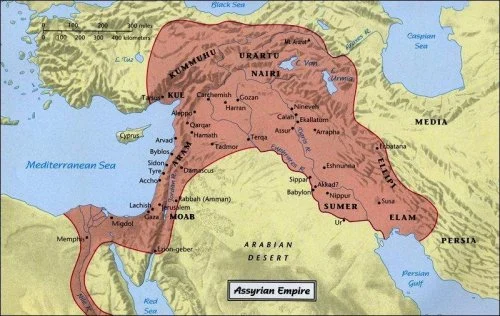
Paddan Aram is a fascinating ancient region that holds an important place in biblical history, especially in the Book of Genesis. The name is connected with the stories of the patriarchs, including Abraham’s family, Isaac, Jacob, Rachel, and Leah. This ancient land was not only a geographical location but also a place where major family events and spiritual journeys took place. Understanding Paddan Aram helps readers explore the historical and cultural background of the Old Testament.
Many people search for Paddan Aram meaning, location, and biblical significance because the region appears in important passages of Scripture. Although the exact boundaries of this ancient area are difficult to identify today, historians generally connect it with northern Mesopotamia and the region of Aram-Naharaim. Its connection with Jacob’s journey makes it one of the most recognized places in biblical geography.
What Is Paddan Aram?
Paddan Aram was an ancient biblical region mentioned primarily in the Book of Genesis. The name is commonly translated as “the field of Aram” or “the plain of Aram.” The term comes from Hebrew and refers to a flat, fertile area associated with the land of Aram and its people. Unlike a single city, Paddan Aram describes a wider geographical region where several important biblical events occurred.
The meaning of Paddan Aram is closely connected with the ancient Near East. The word “Aram” refers to the territory and people known as the Arameans, while “Paddan” describes a plain or open field. Together, the name identifies a region that was known for agriculture, settlements, and connections between different ancient civilizations.
Paddan Aram is sometimes written as Padan-aram or Padan Aram because of different translations of biblical texts. These variations refer to the same location and do not represent separate places. The region became especially important because it was linked with the family history of Israel’s early ancestors.
Where Was Paddan Aram Located?
The exact location of Paddan Aram is still discussed by historians and biblical scholars. Most researchers associate it with northern Mesopotamia, a historical area that included parts of modern southeastern Turkey and northern Syria. This region was located near important rivers and ancient trade routes that connected different cultures.
Paddan Aram was connected with the larger region known as Aram-Naharaim, which means “Aram between the rivers.” This area was located near the Euphrates and Tigris river systems and was an important center of ancient civilization. The fertile land allowed communities to grow crops, raise animals, and develop settlements.
The city of Haran is often associated with Paddan Aram because it played a significant role in biblical narratives. Haran was connected with Abraham’s relatives and later became the destination of Jacob’s journey. While Paddan Aram refers to a broader area, Haran represents one specific location within that historical region.
Paddan Aram in the Bible
Paddan Aram appears mainly in the Book of Genesis and is connected with the stories of the patriarchs. The region is mentioned as the homeland of relatives of Abraham and became a significant place in the family history of Isaac and Jacob. Biblical references show that Paddan Aram was more than a distant land; it was a place connected with ancestry, marriage, and family traditions.
One of the major biblical connections to Paddan Aram is Jacob’s journey. After leaving his home in Canaan, Jacob traveled to the region where his mother’s relatives lived. This journey was important because it changed the direction of Jacob’s life and eventually led to the growth of his family.
The biblical importance of Paddan Aram comes from the people connected with it. Abraham’s extended family lived there, Rebekah came from this region, and Jacob spent many years there. These connections make Paddan Aram a key location for understanding the background of Genesis.
Jacob’s Journey to Paddan Aram
Jacob’s journey to Paddan Aram is one of the most important stories associated with the region. According to Genesis, Jacob left Canaan and traveled to his uncle Laban’s household. His journey was influenced by family decisions and the desire to continue the family line through marriage within their relatives.
During his years in Paddan Aram, Jacob experienced many challenges and important life changes. He worked for Laban and eventually married Rachel and Leah. His time in this region shaped his future and helped establish the family that would later become the twelve tribes of Israel.
The story of Jacob in Paddan Aram also highlights themes of patience, faith, and personal growth. Although Jacob faced difficulties while living there, his experiences prepared him for his later role in biblical history. The region became a turning point in his journey.
Paddan Aram and the Family of Abraham
Paddan Aram was closely connected with the family lineage of Abraham. Abraham’s relatives lived in this region, making it an important place in the history of his descendants. The connection between Canaan and Paddan Aram shows how ancient families maintained relationships across distant lands.
Rebekah, the wife of Isaac, came from Abraham’s extended family in this region. This connection explains why Isaac and Rebekah wanted Jacob to find a wife from among their relatives rather than from neighboring groups. The region represented family heritage and shared traditions.
Through Abraham’s family connections, Paddan Aram became part of the larger biblical story of Israel’s origins. Its importance was not only geographical but also cultural and genealogical, linking multiple generations of biblical figures.
Paddan Aram and Haran: Understanding the Difference
Many people wonder whether Paddan Aram and Haran are the same place. While they are closely related, they are not exactly identical. Paddan Aram refers to a wider region, while Haran was a specific city located within or connected to that area.
Haran appears frequently in biblical accounts and was an important settlement associated with Abraham’s family. Jacob traveled to this region and lived there during his relationship with Laban. Because of this connection, many discussions about Paddan Aram also mention Haran.
Understanding the difference between these two names helps explain biblical geography more accurately. A region can include several cities and settlements, and Haran was one important place connected with the broader area known as Paddan Aram.
Historical Background of Paddan Aram
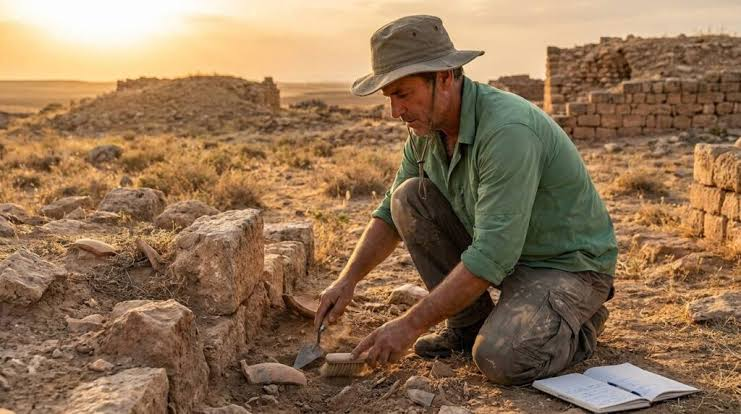
Historically, Paddan Aram belonged to the ancient Near Eastern world, where many civilizations developed and interacted. The region was influenced by different cultures and became known for trade, agriculture, and movement between major ancient societies.
The Arameans played an important role in the history of this area. Their language and culture influenced many parts of the ancient Near East. The region’s location between major civilizations allowed people, goods, and ideas to travel across long distances.
Studying the historical background of Paddan Aram helps readers understand the world of the Bible. It provides important context about the environment, communities, and traditions that shaped the stories recorded in Genesis.
What Is Paddan Aram Called Today?
Today, there is no modern country or official location called Paddan Aram. Instead, historians identify the ancient region with areas in northern Mesopotamia, including parts of modern Turkey and Syria. Ancient place names often changed over thousands of years, making exact identification challenging.
Archaeologists and historians continue to study locations connected with ancient Aram and Mesopotamia. These studies help provide more information about the communities and landscapes mentioned in biblical texts.
Even though the name Paddan Aram is no longer used on modern maps, its historical and religious importance remains strong. It continues to be studied by people interested in biblical history, ancient geography, and the origins of early Israel.
Why Is Paddan Aram Important?
Paddan Aram remains important because it connects several major biblical stories and figures. The region was part of the journeys of Abraham’s family and played a central role in Jacob’s life. It represents a place where important family relationships and historical events developed.
The story of Paddan Aram teaches lessons about faith, perseverance, and transformation. Jacob’s experiences in this region show how difficult journeys can become important parts of personal growth and destiny.
By learning about Paddan Aram, readers can better understand the geography and historical setting of the Bible. The region provides valuable insight into the lives of the patriarchs and the development of biblical history.
Conclusion
Paddan Aram is one of the most meaningful ancient regions mentioned in the Bible. Its connection with Jacob, Rachel, Leah, Abraham’s family, and the stories of Genesis makes it an important subject for biblical study. Although its exact modern location remains debated, its historical importance continues to attract researchers and readers.
Understanding Paddan Aram meaning, history, and location provides a clearer picture of the ancient world described in Scripture. From Jacob’s journey to the growth of Israel’s family line, this region played a lasting role in biblical history and remains an important part of understanding the Old Testament.
Frequently Asked Questions
What does Paddan Aram mean?
Paddan Aram means “the field of Aram” or “the plain of Aram.” It refers to an ancient biblical region connected with northern Mesopotamia.
Where was Paddan Aram located?
Paddan Aram was located in northern Mesopotamia, near areas that are now part of southeastern Turkey and northern Syria.
Why did Jacob travel to Paddan Aram?
Jacob traveled to Paddan Aram to live with his uncle Laban and marry within his family’s ancestral line.
Is Paddan Aram the same as Haran?
No. Paddan Aram refers to a larger region, while Haran was a specific city connected with that region.
What happened to Jacob in Paddan Aram?
Jacob worked for Laban, married Rachel and Leah, and became the father of children who formed the tribes of Israel.
Is Paddan Aram mentioned in Genesis?
Yes. Paddan Aram is mentioned several times in Genesis in connection with the patriarchs and their families.
What is Paddan Aram called today?
There is no modern place officially named Paddan Aram, but it is associated with parts of northern Mesopotamia.
Why is Paddan Aram important in biblical history?
Paddan Aram is important because it was connected with Abraham’s descendants, Jacob’s journey, and the formation of Israel’s ancestral history.
You May Also Read: American Indian Flag Cherokee