

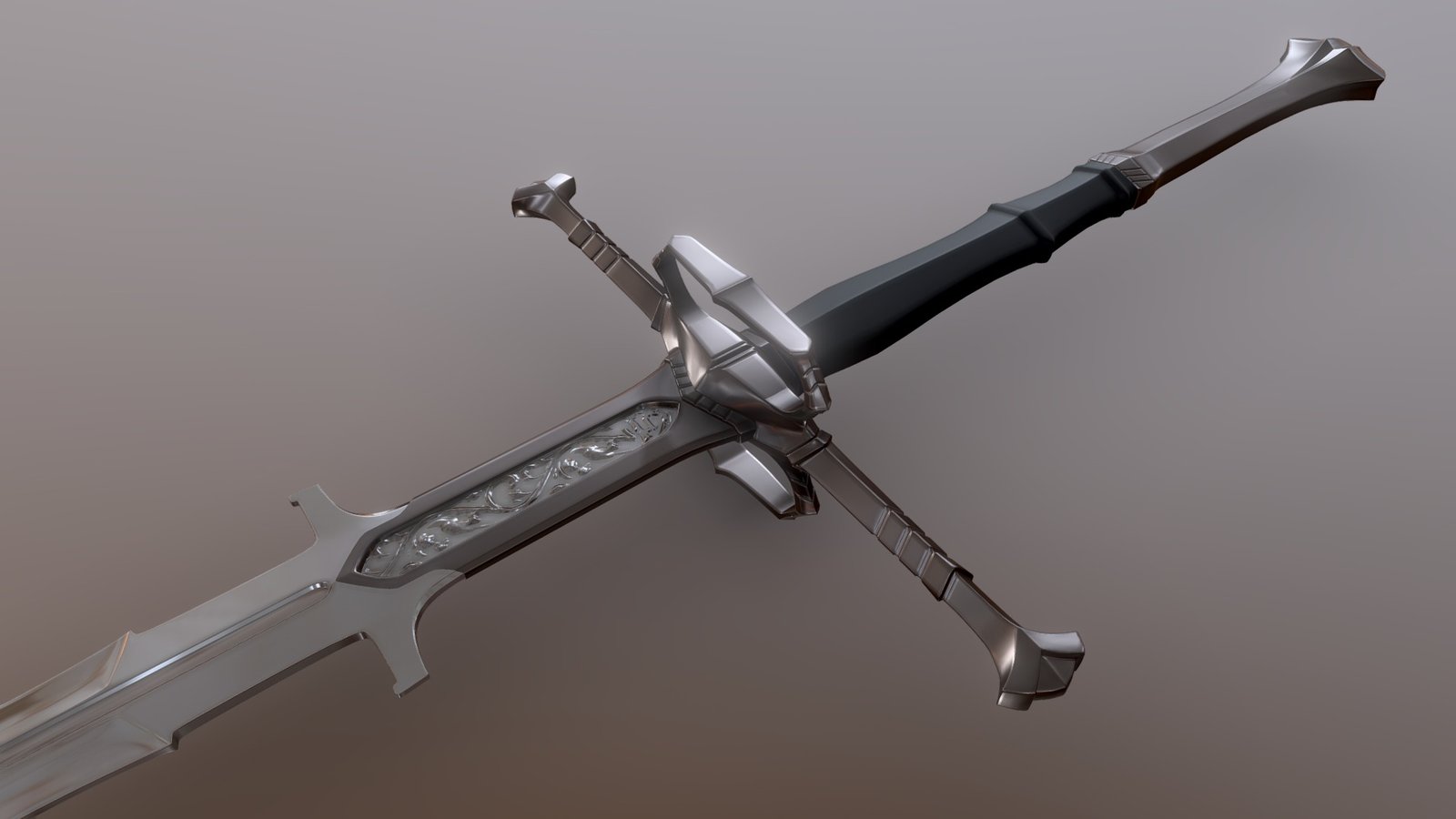
The montante sword is one of the most remarkable two-handed swords from European history, representing the advanced craftsmanship and fighting traditions of Spain and Portugal. Developed during the late medieval and Renaissance periods, this massive blade was designed for experienced warriors who needed exceptional reach, control, and defensive ability. Unlike smaller swords that focused on quick individual strikes, the montante was built to dominate space and give skilled fighters an advantage during combat situations.
Many people today search for information about the montante sword because of its impressive appearance, historical importance, and connection with Historical European Martial Arts (HEMA). This large Iberian greatsword continues to attract historians, collectors, and sword enthusiasts who want to understand how it was designed, how it was used, and why it became an important part of Renaissance sword culture.
What Is a Montante Sword?
A montante sword is a large two-handed sword that was primarily used in Spain and Portugal between the 15th and 17th centuries. The weapon was created with a long blade and extended grip that allowed fighters to generate powerful attacks while maintaining control over distance. Because of its size and handling style, it belongs to the family of European greatswords designed for specialized combat roles.
The name montante is associated with the idea of raising or mounting upward, reflecting the sword’s historical fighting techniques and elevated guard positions. Although the weapon is often compared with the German Zweihänder and Italian spadone, the montante developed its own unique Iberian fencing tradition. Its purpose was not simply to be a larger sword but to provide a trained warrior with a highly effective tool for controlling movement on the battlefield.
History and Origin of the Montante Sword
The history of the montante sword is closely connected to the military and fencing traditions of the Iberian Peninsula. During the Renaissance era, European warfare was changing, and soldiers required weapons that could handle new battlefield challenges. Large two-handed swords became valuable because they provided extended reach and powerful defensive capabilities.
Spanish and Portuguese martial experts developed specific techniques for using the montante effectively. Historical fencing manuals documented movements, defensive patterns, and strategies that showed how skilled users could control opponents and protect important positions. These teachings demonstrate that the montante was not just a heavy weapon but a carefully studied fighting system requiring training and precision.
Design and Features of the Montante Sword
The design of the montante sword focused on achieving a balance between size, strength, and maneuverability. The weapon typically featured a long double-edged blade, a large grip designed for both hands, and a protective hilt that helped defend the user’s hands during combat. Its construction allowed fighters to perform powerful cuts while still maintaining control.
The length and weight of a montante sword varied depending on the historical example, but many versions were significantly larger than standard swords. Despite its impressive dimensions, the weapon was not designed to be slow or impossible to handle. Skilled swordsmen used proper technique, body movement, and leverage to make the sword effective in combat.
How Was the Montante Sword Used in Combat?
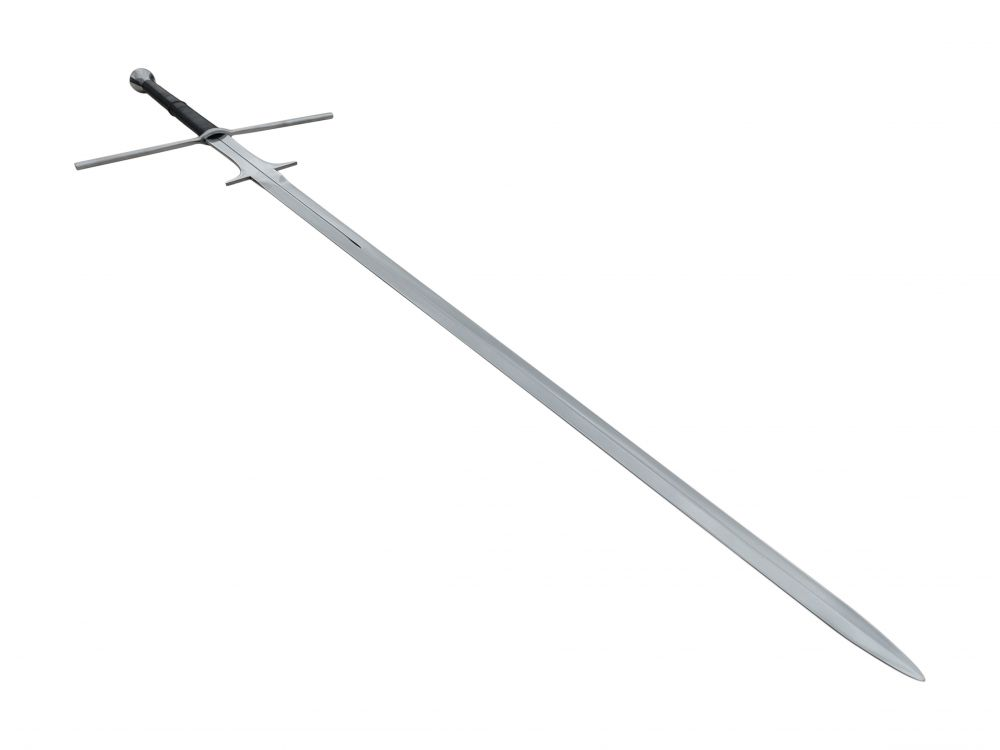
The montante sword was mainly used for controlling space and creating powerful defensive zones around the fighter. Its long blade allowed warriors to strike opponents from a greater distance while keeping enemies away. This made it especially useful in situations where controlling movement and maintaining a strong defensive position were important.
Using a montante required advanced training because its size demanded coordination and awareness. Fighters practiced circular motions, sweeping attacks, and defensive movements that allowed them to manage multiple threats. Historical techniques focused on footwork, timing, and positioning rather than relying only on the weapon’s size and strength.
Montante Sword in Spanish and Portuguese Warfare
The montante sword became an important symbol of Iberian martial skill during the Renaissance period. Although it was not the standard weapon for every soldier, it was valued by trained fighters who specialized in handling large two-handed swords. Its reach and defensive abilities made it useful for guarding locations, protecting important individuals, and controlling battlefield spaces.
As military technology developed and firearms became more common, the practical use of large swords gradually declined. However, the montante remained significant in fencing traditions and historical records. Its reputation continued because it represented discipline, technical skill, and the advanced understanding of sword combat during its era.
Montante Sword Fighting Techniques and Training
The fighting style associated with the montante sword was based on controlled movements, powerful cuts, and strategic positioning. Unlike smaller swords that allowed rapid changes between attacks, the montante relied on creating distance and controlling the opponent’s options. Skilled fighters used the sword’s reach to influence the flow of combat.
Modern HEMA practitioners study historical manuals to recreate these techniques and better understand Renaissance swordsmanship. Training with a montante requires patience, balance, and careful practice because the weapon’s size makes precision extremely important. These modern studies help preserve the historical knowledge connected to this unique sword.
Montante Sword Compared With Other Greatswords
The montante sword shares similarities with other famous European greatswords, but it also has its own identity. The German Zweihänder is one of the closest comparisons because both weapons were large two-handed swords created during the Renaissance period. However, the montante developed from Iberian traditions while the Zweihänder was connected with German military practices.
Compared with the Scottish claymore, the montante had different design features and combat methods. The claymore was known for its Scottish origins and battlefield use, while the montante became associated with Spanish and Portuguese fencing systems. These differences show how different cultures developed unique sword styles based on their own military needs.
Modern Interest in the Montante Sword
Today, the montante sword remains popular among collectors, historians, and sword enthusiasts around the world. Many people admire its impressive appearance and historical significance, while others study it as part of HEMA training. Modern replicas allow enthusiasts to explore the design and handling of this famous Renaissance weapon.
Sword makers continue creating reproduction montantes for collectors, reenactors, and martial arts practitioners. These modern versions are often designed with historical accuracy in mind while also considering safety and practical use. The continued interest in the weapon shows that the legacy of the montante remains strong centuries after its original use.
How to Identify an Authentic Montante Sword
Identifying an authentic montante sword requires knowledge of historical design, materials, and craftsmanship. Experts examine details such as blade shape, length, construction methods, markings, and overall proportions. Because many modern replicas exist, distinguishing original historical examples from reproductions can be challenging without professional evaluation.
Collectors interested in purchasing a montante should research the seller, examine documentation, and understand historical characteristics. Authentic examples are rare and valuable because they provide direct connections to the past. Modern reproductions, however, allow more people to appreciate the design and history of this fascinating sword.
Conclusion
The montante sword remains one of the most fascinating examples of Renaissance sword design and Iberian martial tradition. Its large size, specialized techniques, and historical importance make it different from many other European swords. More than just a weapon, it represents the skill, discipline, and innovation of the fighters who mastered its use.
From historical battlefields to modern HEMA training halls, the montante continues to inspire interest among people who appreciate sword history. Its legacy demonstrates how weapons can reflect the culture, technology, and fighting philosophies of the societies that created them.
Frequently Asked Questions
What is a montante sword?
A montante sword is a large two-handed sword from Spain and Portugal, mainly used during the Renaissance period.
How big is a montante sword?
A montante sword was typically a long greatsword designed for extended reach, powerful strikes, and defensive control.
Is a montante the same as a Zweihänder?
No, both are large two-handed swords, but they come from different regions and fighting traditions.
Was the montante sword used in real combat?
Yes, the montante was used by skilled fighters for battlefield defense, guarding, and controlling space.
Is the montante sword still used today?
Yes, modern HEMA practitioners, collectors, and historical enthusiasts continue studying and practicing with montante replicas.
You May Also Read: Feeder Filter