

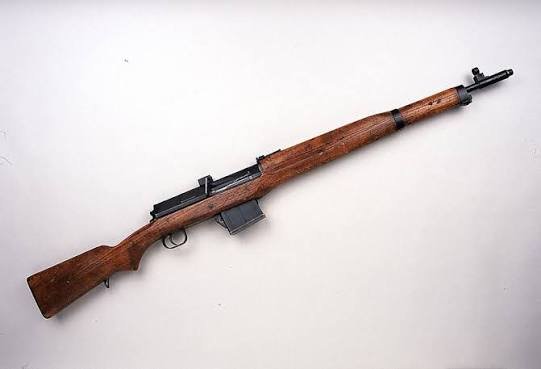
The Hakim Rifle is one of the most fascinating semi-automatic military rifles of the 20th century. Developed from Swedish firearm technology and later produced in Egypt, this rifle represents a unique combination of European engineering and Middle Eastern military development. The rifle became an important part of Egypt’s small arms history and continues to attract attention from firearm collectors, historians, and military enthusiasts who study classic service rifles.
The story of the Hakim Rifle goes beyond its mechanical design. It reflects a period when countries were modernizing their armed forces and seeking advanced infantry weapons. With its powerful cartridge, distinctive operating system, and connection to the Swedish AG m/42 Ljungman rifle, the Hakim Rifle remains an important example of Cold War-era firearm innovation and international technology adaptation.
Hakim Rifle History and Development
The history of the Hakim Rifle begins with the Swedish AG m/42 Ljungman rifle, a semi-automatic rifle designed by Swedish engineer Erik Eklund during the early 1940s. Sweden developed the rifle to provide its military with a modern infantry weapon that could deliver faster firing capability compared with traditional bolt-action rifles. The design introduced an innovative gas-operated system that made it different from many rifles of the same period.
Egypt later adopted the Swedish design and began producing its own version to strengthen its domestic military capabilities. The Egyptian government manufactured the rifle at the Maadi Arsenal, turning the weapon into one of the country’s most recognized service rifles. The production of the Hakim Rifle represented Egypt’s effort to build a stronger defense industry and reduce dependence on foreign weapons.
During the 1950s and 1960s, the rifle served as a major infantry weapon for Egyptian forces. It was developed during a time of significant political and military changes, making it part of Egypt’s broader modernization programs. Although newer rifles eventually replaced it, the Hakim Rifle maintained historical importance because of its role in Egyptian military development.
Design and Engineering Features of the Hakim Rifle
The design of the Hakim Rifle was based on advanced engineering concepts for its time. It used a gas-operated semi-automatic mechanism that allowed soldiers to fire multiple rounds without manually operating the bolt after every shot. This feature provided a faster rate of fire and improved battlefield effectiveness compared with older military rifles.
One of the most unique characteristics of the Hakim Rifle is its direct gas impingement operating system. This approach was unusual and showed the influence of Swedish firearm innovation. The rifle included a strong metal receiver, wooden stock, adjustable sights, and a detachable magazine, creating a balance between durability and practical military use.
The rifle’s design also reflected the needs of mid-century infantry forces. While it offered reliable performance and strong construction, its large size and heavy weight made it less convenient compared with later lightweight rifles. However, these characteristics were common among many battle rifles of that era, which prioritized power and range over compact design.
Hakim Rifle Specifications and Technical Details
The Hakim Rifle was chambered for the 8mm Mauser cartridge, a powerful ammunition type that had already been widely used in military firearms. This cartridge provided strong performance and effective range, making the rifle suitable for infantry operations. However, the powerful ammunition also contributed to increased recoil compared with smaller-caliber rifles.
The rifle featured a gas-operated semi-automatic action and was designed primarily for military service. It included a detachable magazine system and was produced in Egypt during the middle of the 20th century. The combination of its caliber, operating mechanism, and historical production background makes the Hakim Rifle a notable firearm among collectors.
Important technical aspects of the rifle include its long barrel design, durable construction, and traditional wooden furniture. These features gave the rifle a classic military appearance that reflected the design philosophy of battle rifles from that period. Today, these specifications help explain why the rifle remains an interesting subject for firearm historians.
Hakim Rifle Military Service and Historical Role
The Hakim Rifle played an important role in Egypt’s military history during the Cold War period. It provided Egyptian soldiers with a modern semi-automatic rifle at a time when many armies were transitioning away from older bolt-action weapons. The rifle helped improve infantry firepower by allowing quicker follow-up shots during combat situations.
The rifle was used by Egyptian armed forces during a period of regional conflicts and military transformation. Its adoption showed Egypt’s interest in developing a more independent defense industry. Manufacturing the rifle locally allowed the country to produce a significant military weapon while building technical knowledge in firearm production.
Although the Hakim Rifle was later replaced by more modern rifles, its historical role remains significant. It represents an important stage in Egypt’s military development and demonstrates how countries adapted foreign designs to meet their own defense requirements.
Performance, Strengths, and Challenges of the Hakim Rifle
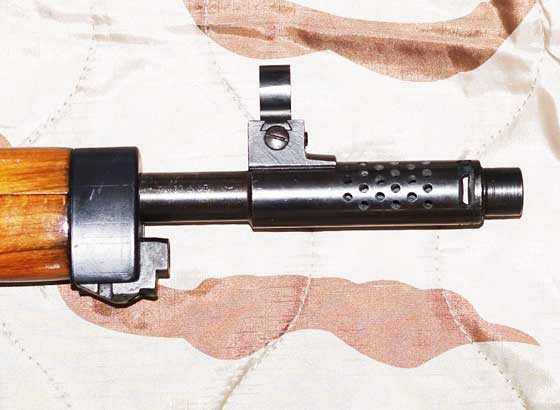
The Hakim Rifle gained recognition for its powerful performance and unique operating system. Its 8mm Mauser cartridge provided excellent range and stopping power, while the semi-automatic action allowed faster shooting compared with older military rifles. Many collectors appreciate its accuracy potential and strong construction when the rifle is properly maintained.
However, the rifle also had certain limitations. Its heavier design and powerful cartridge resulted in noticeable recoil, which could make extended use more challenging. The rifle’s size also made it less practical compared with modern assault rifles and lighter infantry weapons that appeared later.
Despite these challenges, the Hakim Rifle remains respected among military firearm enthusiasts. Its unusual design, historical importance, and connection to Swedish and Egyptian firearm development make it a valuable example of 20th-century rifle engineering.
Hakim Rifle Compared With Other Famous Battle Rifles
The Hakim Rifle is often compared with other famous military rifles such as the M1 Garand and FN FAL. Like the M1 Garand, it was designed as a semi-automatic infantry rifle that improved battlefield efficiency by allowing soldiers to fire multiple rounds quickly. Both rifles became important examples of military firearm advancement.
Compared with the FN FAL, the Hakim Rifle represents an earlier generation of battle rifle technology. The FN FAL became one of the most widely adopted rifles worldwide, while the Hakim Rifle remained mainly associated with Egyptian military service. Their differences highlight how military firearm designs evolved during the 20th century.
The Hakim Rifle also holds a special place because of its connection to the AG m/42 Ljungman design. This international background gives it a unique identity among historic military rifles and explains why collectors continue to study its development.
Hakim Rifle Collecting and Modern Interest
Today, the Hakim Rifle is mainly valued by collectors, historians, and enthusiasts interested in military surplus firearms. Its historical background and limited production history make it an attractive addition to collections focused on Cold War-era weapons and military technology.
Collectors often consider factors such as condition, original parts, markings, and accessories when evaluating a Hakim Rifle. Rifles that remain in good condition with original components usually attract more interest because they better represent their historical form.
The continued interest in the rifle shows that its importance extends beyond military service. It represents a period of innovation, international cooperation, and changing firearm technology. For many collectors, owning a Hakim Rifle means preserving a piece of military history.
Hakim Rifle Legacy in Firearms History
The legacy of the Hakim Rifle comes from its unusual journey across countries and decades. Starting as a Swedish design and becoming an Egyptian military rifle, it represents how firearm technology can evolve through international adaptation. Its story connects engineering, manufacturing, and military strategy.
Although it is no longer a primary service rifle, the Hakim Rifle remains an important example of classic semi-automatic rifle development. Its design influenced discussions about military firearms and continues to interest people who study historical weapons.
The rifle’s combination of unique engineering, military service, and historical value ensures that it remains remembered among important 20th-century firearms. The Hakim Rifle stands as a symbol of technological adaptation and Egypt’s efforts to develop modern military equipment.
Conclusion
The Hakim Rifle is more than just a military firearm; it is a historical example of innovation, adaptation, and international engineering influence. From its Swedish AG m/42 origins to its production in Egypt, the rifle represents an important chapter in the evolution of semi-automatic military weapons.
With its distinctive design, 8mm Mauser chambering, and role in Egyptian military history, the Hakim Rifle continues to attract attention from collectors and researchers. While modern firearms have replaced it in active service, its legacy remains strong as one of the most interesting rifles of the 20th century.
FAQs
What is the Hakim Rifle?
The Hakim Rifle is an Egyptian semi-automatic military rifle based on the Swedish AG m/42 Ljungman design.
What caliber does the Hakim Rifle use?
The Hakim Rifle uses the 8mm Mauser cartridge, known for its power and long-range performance.
Who designed the Hakim Rifle?
The original design was created by Swedish engineer Erik Eklund and later adapted by Egypt.
When was the Hakim Rifle produced?
The Hakim Rifle was mainly produced in Egypt during the 1950s and 1960s.
Why is the Hakim Rifle popular among collectors
Collectors value the Hakim Rifle because of its unique design, military history, and connection to Cold War-era firearms.
You May Also Read: Thomas Wolfe Essay Collection