

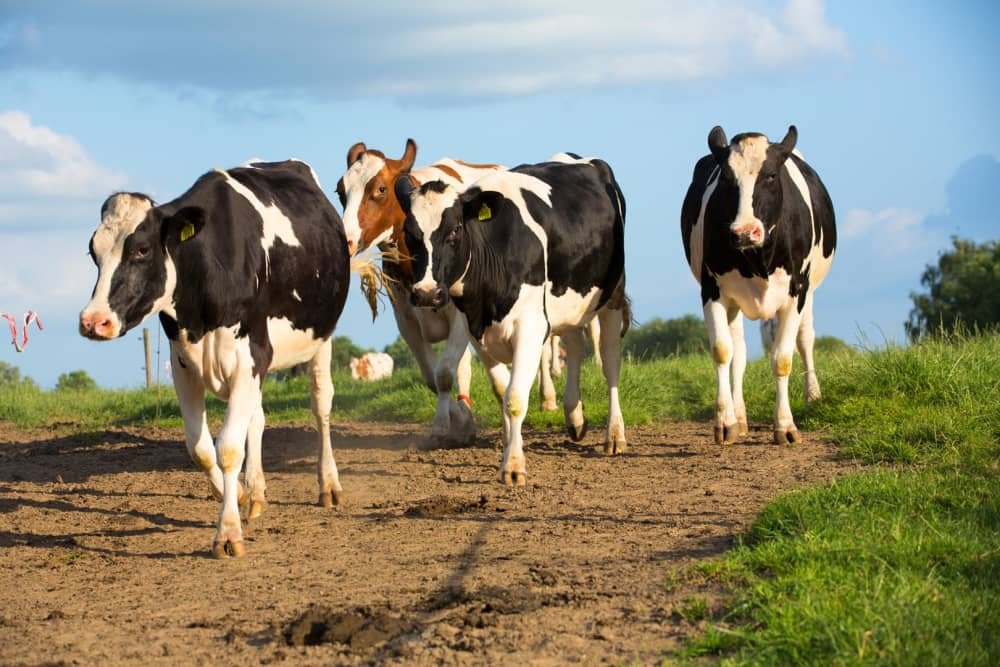
When people see a cow eating grass for hours, a common question comes to mind: how many stomachs does a cow have? Many people believe that cows have four separate stomachs, but this is actually a common misunderstanding. A cow has one stomach that is divided into four specialized chambers. These chambers work together as a powerful digestive system that helps cows break down tough plant materials and receive the nutrients they need to stay healthy.
Cows belong to a group of animals called ruminants, which have a special digestive design that allows them to process fibrous foods like grass, leaves, and hay. Their stomach contains helpful microorganisms that break down plant fibers through fermentation. This unique system gives cows the ability to gain energy from plants that are difficult for humans and many other animals to digest. The cow’s digestive process is one of the most interesting examples of animal adaptation in nature.
How Many Stomachs Does a Cow Have? The Real Answer
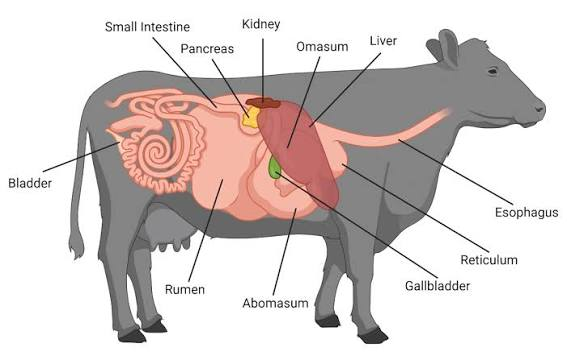
The answer to how many stomachs does a cow have is that a cow has one stomach with four different compartments. These compartments are the rumen, reticulum, omasum, and abomasum. Each part has its own important job in the digestion process, allowing the cow to transform grass and other plant materials into usable nutrients. Although people often say cows have four stomachs, they actually have one stomach with four connected sections.
The reason behind this confusion is that each chamber is large and performs a separate function. The four parts work almost like different stages in a food-processing system. Together, they help break down food, absorb nutrients, and remove waste. This special stomach structure allows cows to survive on a diet that is mainly made of plants, making them highly efficient herbivores.
The Rumen: The Largest Chamber of the Cow’s Stomach
The rumen is the largest and most important chamber in a cow’s stomach. It acts as a fermentation area where billions of beneficial bacteria and microorganisms break down tough plant fibers. When a cow eats grass, the food first enters the rumen, where these microorganisms begin the process of converting fiber into energy. This fermentation process creates nutrients that support the cow’s growth, movement, and overall health.
Inside the rumen, food can remain for many hours while microorganisms continue their work. The rumen allows cows to digest cellulose, a strong material found in plant cell walls that most animals cannot break down. This chamber is the main reason cows can survive by eating grass and other rough plant materials. Without the rumen, cows would not be able to receive enough energy from their natural diet.
The Reticulum: Helping With Cud Formation
The reticulum is the second chamber of the cow’s digestive system and works closely with the rumen. It helps collect and organize partially digested food while separating larger particles from smaller ones. One of its most important functions is helping create cud, which is the food material that cows bring back into their mouths to chew again.
Cud chewing is an essential part of the cow’s digestive process because it breaks down plant fibers into smaller pieces. When cows chew cud, they add more saliva to the food, which helps balance the digestive environment. After the cow finishes chewing, the food is swallowed again and continues moving through the stomach chambers. This process allows cows to extract more nutrients from their food.
The Omasum: Absorbing Water and Nutrients
The omasum is the third chamber of a cow’s stomach and plays an important role in absorbing water, minerals, and other useful nutrients. This chamber contains many folded layers that help increase the surface area for absorption. As food passes through the omasum, excess water is removed, and important materials are prepared for the final stage of digestion.
The omasum also controls the movement of food between different parts of the digestive system. By managing how quickly food moves forward, it helps the cow maintain an efficient digestion process. Although it is smaller than the rumen, the omasum is an important part of the cow’s stomach because it ensures that the body receives valuable nutrients before the food reaches the final chamber.
The Abomasum: The True Stomach of a Cow
The abomasum is the fourth chamber and is often called the true stomach because it works similarly to the human stomach. This chamber uses stomach acids and digestive enzymes to break down proteins, microorganisms, and other nutrients. While the first three chambers focus mainly on fermentation and preparation, the abomasum completes the chemical digestion process.
The abomasum is especially important because it allows cows to digest the microorganisms that grow inside the rumen. These microorganisms become an additional source of protein and nutrients for the cow. By combining fermentation and chemical digestion, the abomasum helps ensure that cows receive maximum nutritional value from their plant-based diet.
How a Cow Digests Grass Step by Step
A cow’s digestive process begins when it eats grass, hay, or other plant materials. The food travels first into the rumen and reticulum, where microorganisms begin breaking down tough fibers. After the initial digestion process, the cow regurgitates some of the food as cud and chews it again. This extra chewing helps make the food easier to process.
After the cow swallows the cud again, it moves through the omasum, where water and nutrients are absorbed. Finally, the food reaches the abomasum, where acids and enzymes complete digestion. The nutrients are then absorbed and used by the cow’s body for energy, growth, and milk production. This carefully organized process allows cows to efficiently use plants as their main food source.
Why Do Cows Have a Four-Chamber Digestive System?
Cows have a four-chamber stomach because their main food source contains large amounts of cellulose. Grass is rich in fiber, but it is difficult to digest. The cow’s specialized stomach allows microorganisms to break down this fiber and convert it into energy. This adaptation gives cows an advantage because they can live on plants that many other animals cannot use effectively.
This digestive system is also found in other ruminant animals, including sheep, goats, and deer. These animals have developed similar stomach structures to survive on high-fiber diets. The four-chamber system shows how animals evolve specific features that help them live successfully in their environments.
Common Myths About Cow Stomachs
One of the biggest myths about cows is that they have four separate stomachs. While this statement is commonly repeated, it is not scientifically correct. Cows have one stomach that contains four chambers, and each chamber performs a unique role in digestion. Understanding this difference helps explain how these animals process their food.
Another myth is that cows can digest anything they eat. In reality, cows need a carefully balanced diet to maintain healthy digestion. Their stomach depends on the right balance of microorganisms, food quality, and proper nutrition. A healthy digestive system is essential for a cow’s ability to produce energy, milk, and maintain overall wellness.
Cow Stomach Compared to Human Digestion
The digestive systems of cows and humans are very different because their diets are different. Humans have one simple stomach designed to digest a wide range of foods, while cows have a complex stomach system designed specifically for breaking down plants. Humans cannot digest grass because our bodies do not have the special chambers and microorganisms needed to process cellulose.
A cow’s stomach is designed for slow and efficient digestion. The fermentation process allows cows to extract nutrients from plants over time. Humans rely more on enzymes and acids inside one stomach, while cows depend on a combination of microorganisms, fermentation, and multiple stomach chambers to complete digestion.
Interesting Facts About Cow Digestion
Cows spend many hours eating and chewing because their digestive system requires time to process food properly. A large amount of their daily activity involves eating, resting, and chewing cud. This behavior helps them maximize nutrient absorption from grass and other plant materials.
Another interesting fact is that the microorganisms inside a cow’s stomach play a major role in its survival. These tiny organisms help transform plants into energy and nutrients. Without them, cows would not be able to digest their natural diet. The relationship between cows and these microorganisms is an amazing example of cooperation in nature.
Conclusion
The answer to how many stomachs does a cow have is simple: a cow has one stomach divided into four chambers. The rumen, reticulum, omasum, and abomasum each perform specific functions that help cows digest grass and other plant materials efficiently. This unique digestive system allows cows to turn tough fibers into valuable nutrients.
Although many people believe cows have four separate stomachs, the truth is much more fascinating. Their single stomach with four specialized chambers is a remarkable example of natural design. By understanding how a cow’s digestive system works, we can better appreciate the complex biology behind one of the world’s most important farm animals.
FAQs
How many stomachs does a cow have?
A cow has one stomach with four chambers: rumen, reticulum, omasum, and abomasum.
Do cows really have four stomachs?
No, cows do not have four separate stomachs. They have one stomach divided into four parts.
What are the four chambers of a cow’s stomach?
The four chambers are the rumen, reticulum, omasum, and abomasum, and each helps with digestion.
Why do cows have a four-chamber stomach?
Cows have this special stomach system to break down tough plant fibers like grass and hay.
Which part of a cow’s stomach works like a human stomach?
The abomasum is known as the true stomach because it works similarly to the human stomach.
You May Also Read: What Is a Republic