

Flowers have been used for centuries to express emotions, celebrate important events, and share messages that words sometimes cannot describe. Similar to birthstones, birth flowers connect each month of the year with special blooms that carry unique meanings and traditions. Learning about birth flowers by month helps people discover the flower associated with their birthday and understand the symbolism behind each beautiful plant.
The tradition of assigning flowers to months creates a meaningful connection between nature and personal identity. Every flower has its own story, from representing love and friendship to showing hope, strength, and renewal. Whether you are searching for a thoughtful birthday gift, a personalized decoration, or simply want to learn about flower meanings, understanding monthly birth flowers can make every celebration more special.
What Are Birth Flowers and Why Do They Matter?
Birth flowers are flowers traditionally connected with specific months of the year. These flowers are selected based on their seasonal growth patterns, historical importance, cultural traditions, and symbolic meanings. Just like birthstones represent different qualities and characteristics, flowers also carry messages that can reflect emotions, personality traits, and important life moments.
The meaning behind birth flowers makes them more than just beautiful plants. A person’s birth flower can be used to create personalized gifts, artwork, jewelry designs, and memorable decorations. Many people choose these flowers because they represent something deeper than appearance. A simple flower arrangement can communicate admiration, love, friendship, hope, or appreciation without needing any explanation.
January Birth Flowers: Carnation and Snowdrop
January is represented by two beautiful flowers: carnation and snowdrop. Carnations are known for their long-lasting beauty and are often associated with love, fascination, admiration, and affection. Different carnation colors carry different meanings, making them a flexible choice for gifts. Pink carnations often symbolize gratitude, while red carnations represent deep love and strong emotions.
Snowdrops represent hope, purity, and new beginnings because they are among the first flowers to appear after the cold winter season. Their delicate white petals symbolize resilience and the ability to overcome difficult times. Together, January birth flowers represent strength, optimism, and the promise of fresh opportunities.
February Birth Flowers: Violet and Primrose
February’s birth flowers are violet and primrose, two blooms connected with loyalty, youth, and affection. Violets have long been admired for their purple color and gentle appearance. They symbolize modesty, faithfulness, wisdom, and devotion. These flowers are often connected with strong relationships and sincere emotions.
Primrose represents new beginnings, young love, and lasting affection. Its cheerful appearance makes it a symbol of positive energy and personal growth. People born in February can find inspiration in these flowers because they represent kindness, loyalty, and the beauty of meaningful connections with others.
March Birth Flowers: Daffodil and Jonquil
March birth flowers include daffodil and jonquil, which represent the arrival of spring and the beginning of a new season. Daffodils are famous for their bright yellow color and are commonly associated with happiness, renewal, rebirth, and positive changes. They remind people that every ending can lead to a new beginning.
Jonquils, which belong to the daffodil family, symbolize affection, desire, and appreciation. These flowers are often connected with emotional bonds and caring relationships. Together, March birth flowers represent hope, fresh starts, and the excitement of discovering new possibilities.
April Birth Flowers: Daisy and Sweet Pea
April is represented by daisy and sweet pea, flowers that symbolize innocence, happiness, gratitude, and friendship. Daisies are loved for their simple beauty and cheerful appearance. They are often connected with purity, honesty, and positive emotions. Their bright and open look makes them a popular spring flower.
Sweet peas represent appreciation, kindness, and friendship. These delicate flowers are often given as gifts to show gratitude and care. The combination of daisy and sweet pea reflects the joyful and peaceful feelings commonly associated with springtime celebrations and personal relationships.
May Birth Flowers: Lily of the Valley and Hawthorn
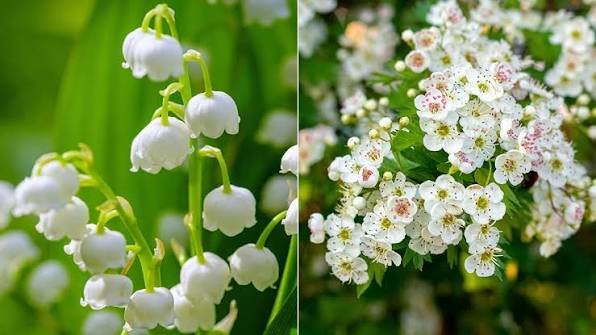
May birth flowers are lily of the valley and hawthorn. Lily of the valley is admired for its small white blossoms and sweet fragrance. It symbolizes happiness, humility, sweetness, and a return of joy. This flower is often associated with positive changes and beautiful moments.
Hawthorn represents hope, protection, and happiness. It has historical importance in many cultures and is connected with seasonal celebrations. Together, May birth flowers represent peaceful emotions, natural beauty, and the happiness that comes with growth and renewal.
June Birth Flowers: Rose and Honeysuckle
June is associated with rose and honeysuckle, two flowers that are strongly connected with love and affection. Roses are among the most recognized flowers worldwide and symbolize passion, beauty, admiration, and romance. Different rose colors can express different feelings, making them popular choices for meaningful gifts.
Honeysuckle represents devotion, affection, and strong emotional connections. Its sweet fragrance and climbing growth pattern make it a symbol of lasting relationships. June birth flowers capture the warmth of summer and represent love, loyalty, and appreciation.
July Birth Flowers: Larkspur and Water Lily
July birth flowers include larkspur and water lily. Larkspur symbolizes positivity, grace, dignity, and an open heart. Its tall, colorful blooms make it a striking flower that represents confidence and cheerful energy.
Water lilies represent peace, purity, and spiritual growth. They are often associated with calmness and balance because they float peacefully on water. Together, July flowers reflect harmony, beauty, and inner strength.
August Birth Flowers: Gladiolus and Poppy
August is represented by gladiolus and poppy. Gladiolus symbolizes strength, honesty, determination, and strong character. Its tall shape represents confidence and courage, making it a meaningful flower for those who value resilience.
Poppy flowers are connected with remembrance, imagination, and peace. Their bright colors and unique appearance make them memorable symbols. August birth flowers represent bravery, creativity, and emotional depth.
September Birth Flowers: Aster and Morning Glory
September birth flowers are aster and morning glory. Asters are known for their star-shaped petals and represent patience, wisdom, love, and good fortune. They are often associated with thoughtful personalities and lasting relationships.
Morning glory symbolizes affection, renewal, and new opportunities. These flowers open in the morning, representing fresh beginnings and positive energy. September flowers reflect beauty, loyalty, and emotional connection.
October Birth Flowers: Marigold and Cosmos

October’s birth flowers are marigold and cosmos. Marigolds symbolize creativity, warmth, passion, and positivity. Their bright colors make them popular during autumn celebrations and seasonal decorations.
Cosmos flowers represent harmony, balance, and peace. They are admired for their simple elegance and calming appearance. Together, October birth flowers represent creativity, happiness, and the beauty of change.
November Birth Flower: Chrysanthemum
Chrysanthemum is the traditional birth flower for November. It represents friendship, honesty, happiness, and loyalty. Available in many colors, chrysanthemums are popular flowers used in celebrations and decorative arrangements.
Different cultures view chrysanthemums as symbols of respect, joy, and long-lasting relationships. Their ability to bloom beautifully during cooler seasons makes them a meaningful representation of November birthdays.
December Birth Flowers: Narcissus and Holly
December birth flowers include narcissus and holly. Narcissus symbolizes hope, renewal, and confidence. It represents the idea of looking forward to new opportunities and positive changes.
Holly represents protection, happiness, and good fortune. Because it is commonly associated with winter celebrations, it carries a festive meaning. December flowers reflect hope, strength, and the joy of the holiday season.
Birth Flowers Chart and Their Meanings
| Month | Birth Flowers | Meaning |
| January | Carnation and Snowdrop | Love, hope, renewal |
| February | Violet and Primrose | Loyalty, youth, affection |
| March | Daffodil and Jonquil | Happiness, rebirth |
| April | Daisy and Sweet Pea | Purity, gratitude |
| May | Lily of the Valley and Hawthorn | Happiness, hope |
| June | Rose and Honeysuckle | Love, devotion |
| July | Larkspur and Water Lily | Grace, peace |
| August | Gladiolus and Poppy | Strength, remembrance |
| September | Aster and Morning Glory | Wisdom, affection |
| October | Marigold and Cosmos | Creativity, harmony |
| November | Chrysanthemum | Friendship, honesty |
| December | Narcissus and Holly | Hope, protection |
How to Use Birth Flowers for Gifts and Decorations
Birth flowers make excellent personalized gifts because they connect directly with someone’s birth month and personality. A bouquet containing a person’s birth flower can feel more thoughtful than a regular flower arrangement. These flowers can also be included in custom cards, paintings, necklaces, and handmade items.
Many people also use birth flowers for tattoos, wedding themes, home decorations, and digital artwork. Choosing a flower based on its meaning allows people to create designs that represent memories, emotions, and personal stories.
Birth Flowers vs Birthstones
Birth flowers and birthstones are both traditions connected with birth months, but they represent different elements. Birthstones are gemstones that symbolize each month, while birth flowers use plants and their meanings to represent emotions and characteristics.
Many people combine both traditions when creating personalized gifts. A design featuring a birth flower and matching birthstone can create a unique keepsake that celebrates someone’s identity and special moments.
Conclusion
Birth flowers by month provide a beautiful way to discover the hidden meanings behind flowers connected to each time of the year. From carnations in January to holly in December, every bloom carries a message of emotions, traditions, and natural beauty.
Understanding your birth flower can help you choose meaningful gifts, create personalized designs, and appreciate the connection between nature and human experiences. These flowers are more than decorations because they represent stories, memories, and feelings that continue to inspire people around the world.
FAQs
What are birth flowers by month?
Birth flowers by month are flowers linked to each month that represent special meanings and symbolism.
What is the birth flower for January?
January birth flowers are carnation and snowdrop, representing love, hope, and renewal.
Why do some months have two birth flowers?
Some months have two flowers because different traditions and regions recognize different seasonal blooms.
Can birth flowers be used as gifts?
Yes, birth flowers make meaningful gifts for birthdays, anniversaries, and special celebrations.
Are birth flowers the same in every country?
No, birth flower choices can vary slightly depending on cultural traditions and regional history.
You May Also Read: How Many Stomachs Does a Cow Have