

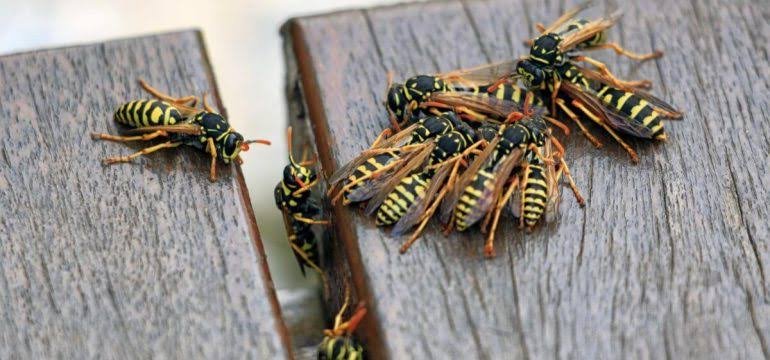
Many people see a flying insect with wings and a stinger and immediately call it a hornet or a wasp without knowing the real difference. Although these insects look similar and belong to the same insect family, they have unique features that separate them. Their body size, colors, nesting habits, feeding behavior, and reactions toward humans can be very different. Learning these differences helps homeowners, gardeners, and outdoor lovers identify these insects safely.
The topic of hornet vs wasp is commonly searched because people want to know which insect is more dangerous and how to recognize them. Both insects are important parts of nature because they control harmful pests and support ecological balance. However, they can become a concern when they build nests near homes, gardens, or public areas. Understanding their characteristics can help people respond correctly and avoid unnecessary risks.
What Is the Difference Between Hornet vs Wasp?
The biggest difference between hornets and wasps is their classification and physical structure. Hornets are actually a specific type of wasp that mainly belongs to the Vespa genus. This means every hornet is a wasp, but every wasp is not a hornet. Wasps include thousands of species around the world, and they come in many different shapes, sizes, and colors.
In a hornet vs wasp comparison, hornets are usually recognized by their larger bodies, wider heads, and stronger appearance. Wasps often have slimmer bodies with a noticeable narrow waist between the thorax and abdomen. While both insects can sting and defend their nests, their natural behavior depends on the species and environment where they live.
Another important difference is their lifestyle. Hornets often create large colonies with organized social structures. Many wasps also live in colonies, but some species are solitary. Their nesting choices, hunting methods, and interactions with humans vary greatly, making proper identification useful for safety and prevention.
Hornet vs Wasp: Size, Appearance, and Physical Features
Physical appearance is one of the easiest ways to compare hornets and wasps. Hornets are generally larger and heavier than most wasp species. Some hornets can reach lengths of nearly two inches, while many common wasps are usually much smaller. Their larger bodies help them appear more intimidating, especially when they fly close to people.
When looking at a hornet vs wasp difference, body shape is a major clue. Hornets usually have thick bodies, broad heads, and larger wings compared with regular wasps. Wasps commonly have slender bodies, long legs, and a thin waist that creates their familiar shape. Their colors can include yellow, black, brown, and white patterns depending on the species.
Color alone should not be the only way to identify these insects because different species have different markings. For example, some hornets have dark bodies with lighter patterns, while many wasps have bright yellow and black stripes. Observing size, body structure, and nesting location together provides a more accurate identification.
Hornet vs Wasp Sting: Which One Is More Dangerous?
One of the most common reasons people search for information about hornet vs wasp is to understand which insect has the more dangerous sting. Both hornets and wasps can sting multiple times because their stingers are not removed after an attack. This makes them different from honeybees, which usually sting only once.
Hornet stings are often considered more painful because hornets are larger insects and may deliver more venom. Their venom contains compounds that can create stronger pain sensations. However, wasp stings can also be painful and dangerous, especially for people who have allergies or strong reactions to insect venom.
The danger of a sting depends on many factors, including the insect species, the number of stings, and the person’s health condition. A single sting may only cause temporary pain and swelling, but allergic reactions can become serious. Anyone experiencing breathing problems, severe swelling, dizziness, or other extreme symptoms should seek medical attention quickly.
Hornet vs Wasp Nest: Location, Structure, and Habits
Hornets and wasps both build nests using a paper-like material created from chewed wood fibers mixed with saliva. However, their nest designs and preferred locations are often different. Hornets usually build large, enclosed nests that have a rounded, football-like, or teardrop shape. These nests are commonly placed high in trees, bushes, or protected outdoor areas.
Wasps can create several types of nests depending on their species. Some build open-comb nests under roof edges, fences, and outdoor structures. Others create underground nests or hidden nests inside walls. Because wasps have many species, their nesting habits are more varied than those of hornets.
In a hornet vs wasp nest comparison, both should be treated carefully. A disturbed nest can cause defensive behavior from the entire colony. Even insects that normally avoid humans may attack when they feel their home is threatened. Avoiding direct contact and getting professional help is usually the safest option.
Hornet vs Wasp Behavior and Diet Differences
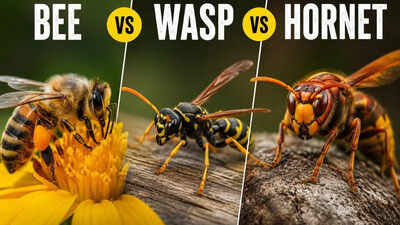
The behavior of hornets and wasps depends on their feeding habits and colony needs. Hornets are skilled hunters that often feed on other insects such as flies, caterpillars, and smaller insects. They can help control pest populations naturally, which makes them valuable members of many ecosystems.
Wasps also hunt insects, but many species are attracted to human food sources. They often appear around outdoor meals, sweet drinks, fruit, and garbage areas. This is why people may notice wasps more often during warm months when outdoor activities increase.
When comparing hornet vs wasp behavior, it is important to understand that neither insect attacks humans without a reason. Most aggressive encounters happen when people accidentally approach a nest, wave their hands at the insect, or disturb their environment. Giving them space is usually the best way to avoid conflict.
Hornet vs Wasp: Which One Should You Be More Concerned About?
The level of concern depends on the situation rather than just the type of insect. A single hornet or wasp flying around a garden is usually not a major threat. Problems often begin when a colony builds a nest near homes, playgrounds, or areas where people spend time.
Hornets may appear more dangerous because of their larger size and stronger sting, but many wasps can also become defensive. Factors such as nest location, colony size, and insect species play a bigger role in determining risk. Careful observation is better than assuming one insect is always more dangerous.
Understanding hornet vs wasp differences allows people to make smarter decisions. Instead of reacting with fear, people can identify the insect, avoid disturbing it, and choose the safest solution if removal becomes necessary.
How to Identify Hornets and Wasps Around Your Home
Identifying hornets and wasps around your home requires looking at several details. Pay attention to the insect’s size, body shape, color patterns, flight style, and where it is building a nest. A large insect with a thick body may be a hornet, while a smaller insect with a narrow waist is more likely a wasp.
The location of the nest can also provide helpful information. Hornets often create large enclosed nests in elevated areas, while wasps may build nests under roofs, inside walls, or underground. However, because many species exist, identification should be done carefully from a safe distance.
If you notice repeated insect activity near your home, avoid trying to remove the nest immediately. Professional pest control experts can identify the species and remove the nest safely. This reduces the chance of multiple stings and prevents future problems.
Conclusion
The hornet vs wasp comparison shows that these insects are closely related but have important differences. Hornets are larger members of the wasp family, while wasps include a wide variety of species with different sizes, colors, and behaviors. Their appearance, nests, diets, and reactions to humans can help people identify them.
Both insects have valuable roles in the environment by controlling pests and supporting natural ecosystems. However, they should be respected because they can defend their colonies when threatened. Learning how to recognize these insects helps homeowners and outdoor enthusiasts stay safe.
The best approach is to avoid disturbing nests, keep outdoor areas clean, and seek professional assistance when necessary. With the right knowledge, encounters with hornets and wasps can be managed safely and confidently.
FAQs
Are hornets and wasps the same thing?
Hornets are a type of wasp, but not all wasps are hornets. Hornets belong to a smaller group with larger bodies and unique features.
Which is more dangerous, a hornet or a wasp?
Both can be dangerous depending on the situation. Hornets may have stronger stings, but some wasps can also become aggressive.
Do hornets sting more than wasps?
Both insects can sting multiple times. The pain level depends on the species and the person’s reaction.
How can you tell a hornet from a wasp?
Hornets are usually larger with thicker bodies, while wasps generally have slimmer bodies and narrow waists.
Do hornets and wasps make the same nests?
No. Hornets usually build large enclosed nests, while wasps create different nest styles depending on the species.
What should I do if I find a hornet or wasp nest?
Avoid disturbing the nest and contact a pest control professional if it is close to your home or frequently used areas.
You May Also Read: Andes Mountains Map