


Electra Greek Mythology is one of the most powerful and emotional stories from ancient Greek legends. Electra was a princess of Mycenae whose life was shaped by family betrayal, loss, revenge, and loyalty. Unlike many famous figures in Greek mythology who were gods or warriors, Electra was a mortal woman whose personal struggles made her a lasting symbol of human emotion. Her story became an important part of Greek tragedy because it explored the difficult choices people face when dealing with injustice and family conflicts.
The story of Electra continues to interest historians, students, and mythology lovers because it connects personal pain with larger ideas about justice and morality. Her relationship with her parents, especially her father Agamemnon and mother Clytemnestra, created one of the most famous family conflicts in Greek mythology. Through ancient plays and later interpretations, Electra’s character has remained a powerful example of grief, determination, and the consequences of revenge.
Who Was Electra in Greek Mythology?
Electra was a princess of Mycenae and the daughter of King Agamemnon and Queen Clytemnestra. She belonged to the famous House of Atreus, a royal family known in Greek mythology for its tragic history. Her father Agamemnon was the commander of the Greek forces during the Trojan War, while her mother Clytemnestra ruled Mycenae during his absence. Electra’s position as a royal daughter placed her at the center of a story filled with power struggles and family drama.
In Electra Greek Mythology, she is remembered as a tragic heroine rather than a traditional hero. She did not possess magical abilities or divine powers, but her emotional strength and loyalty made her unforgettable. Electra’s story shows how ordinary human feelings such as love, anger, sadness, and the desire for justice can create powerful legends. Her character became a symbol of devotion toward family and resistance against betrayal.
Electra’s Family Background and the House of Atreus
Electra’s family history played a major role in shaping her tragic destiny. The House of Atreus was one of the most important royal families in Greek mythology, but it was also connected with curses, violence, and revenge. Generations of conflicts affected Electra’s family and created a cycle where one tragedy often led to another. This background explains why Electra’s life became filled with suffering and difficult decisions.
Electra’s siblings included Orestes, Iphigenia, and Chrysothemis. Each family member was connected to important events in Greek mythology. The sacrifice of Iphigenia before the Trojan War created deep anger between Agamemnon and Clytemnestra, which later influenced the murder of Agamemnon. These events created the foundation for Electra’s pain and her desire to see justice restored after her father’s death.
The Tragic Story of Electra and Agamemnon’s Murder
The central event in Electra’s life was the murder of her father, Agamemnon. After leading the Greeks during the Trojan War, Agamemnon returned home expecting victory and honor. However, his return ended in disaster when Clytemnestra and her lover Aegisthus killed him. This betrayal completely changed Electra’s life and left her filled with grief and anger.
After Agamemnon’s death, Electra was forced to live under the control of Clytemnestra and Aegisthus. She continued to remember her father and believed that his murder required justice. Unlike others who accepted the new rulers of Mycenae, Electra refused to forget what happened. Her patience and determination became key parts of her identity, making her one of the strongest emotional figures in Greek tragedy.
Electra and Orestes’ Revenge Story
The relationship between Electra and her brother Orestes is one of the most important parts of Electra Greek Mythology. After Agamemnon’s murder, Electra helped protect young Orestes by sending him away from Mycenae. She wanted to save him from danger and preserve the hope that her father’s death would eventually be answered. Years later, Orestes returned to fulfill his role in the family revenge story.
Together, Electra and Orestes planned to punish those responsible for Agamemnon’s murder. They killed Aegisthus and Clytemnestra as revenge for their father’s death. However, Greek mythology often presents revenge as a complicated action rather than a simple victory. Although Electra and Orestes believed they were restoring justice, their actions created more suffering and brought attention from the Furies, supernatural beings who punished crimes against family members.
Electra in Greek Tragedy and Ancient Literature
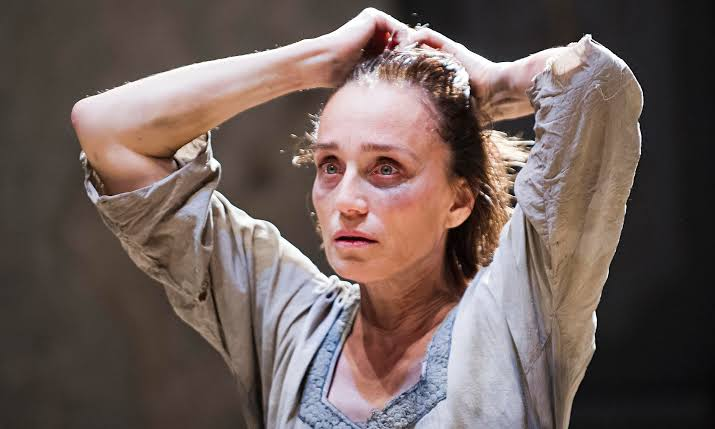
Electra became one of the most famous characters in ancient Greek theater. Several important playwrights used her story to explore human emotions and moral questions. Sophocles wrote Electra, Euripides created his own version of Electra, and Aeschylus included her story in The Libation Bearers, part of the Oresteia trilogy. Each writer presented a different view of Electra’s personality and struggles.
In these tragedies, Electra was shown as a woman dealing with extreme emotional pain while trying to follow her sense of duty. Some versions focused on her suffering, while others highlighted her determination and courage. These plays helped preserve her story for future generations and showed how Greek mythology could explore deep questions about family, justice, revenge, and human responsibility.
Electra Complex and Modern Influence
The name Electra became connected with psychology through the term Electra complex. Carl Jung used this term to describe a psychological concept involving a daughter’s attachment to her father and rivalry with her mother. Although this idea comes from Electra’s name, it is separate from the original Greek myth and focuses on psychological theories rather than ancient storytelling.
Beyond psychology, Electra’s story has influenced many forms of art and entertainment. Writers, filmmakers, and theater creators have continued to use her character because her struggles remain relatable. Themes such as family conflict, betrayal, revenge, and emotional suffering appear in many modern stories, showing that Electra’s legend still connects with audiences today.
Electra’s Legacy in Greek Mythology and History
Electra remains one of the most studied women in Greek mythology because her story represents complex human emotions. She is often remembered alongside other tragic female characters such as Antigone and Medea. Like these figures, Electra shows strength while facing difficult circumstances. Her story demonstrates how ancient myths explored human behavior and the consequences of personal choices.
The lasting importance of Electra Greek Mythology comes from its ability to combine history, literature, and emotional storytelling. Her character has survived for thousands of years because readers continue to find meaning in her struggles. From ancient Greek theaters to modern classrooms, Electra remains a symbol of loyalty, tragedy, and the search for justice.
Conclusion
Electra’s journey from a Mycenaean princess to a legendary tragic heroine shows the lasting power of Greek mythology. Her experiences with family betrayal, personal loss, and revenge created a story that continues to inspire writers and researchers. Through her relationship with Agamemnon, Clytemnestra, and Orestes, Electra represents the complicated emotions that define human life.
Electra Greek Mythology remains important because it teaches lessons about loyalty, justice, and the consequences of revenge. Her story is not only about ancient Greece but also about universal struggles that people still understand today. Her influence in literature, psychology, and culture proves that Electra remains one of the most memorable figures in Greek mythology.
FAQs
Who was Electra in Greek mythology?
Electra was a princess of Mycenae and the daughter of Agamemnon and Clytemnestra. She became famous for her role in the revenge story connected to her father’s murder.
What is the main story of Electra Greek Mythology?
The story follows Electra’s suffering after her father Agamemnon was killed and her role in helping her brother Orestes take revenge.
Who were Electra’s parents?
Electra’s parents were King Agamemnon and Queen Clytemnestra of Mycenae.
Why is Electra considered a tragic heroine?
Electra is considered tragic because her life was filled with family conflict, loss, and difficult moral choices.
Was Electra a goddess?
No, Electra was a mortal princess in Greek mythology, not a goddess.
Which ancient plays include Electra’s story?
Electra appears in works by Sophocles, Euripides, and Aeschylus.
What is the Electra complex?
The Electra complex is a psychological concept named after Electra, though it is different from the original mythological story.
Who did Electra marry?
According to some later traditions, Electra married Pylades, a close friend of her brother Orestes.
You May Also Read: Hornet vs Wasp