

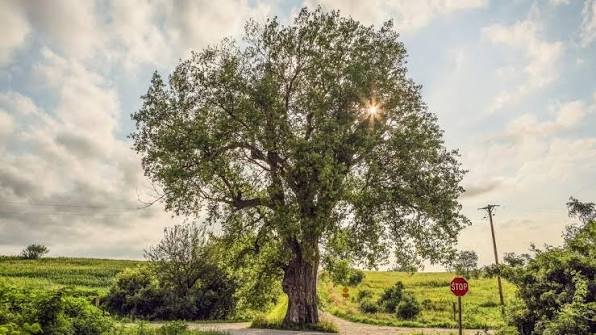
Along rivers, floodplains, irrigation channels, and broad valleys, a familiar tree is quietly becoming a focus of ecological restoration and climate research. The cottonwood can grow remarkably fast, provide habitat for wildlife, stabilize vulnerable riverbanks, and produce useful timber. Yet its future is closely tied to something less visible: water. As dams alter natural river flows, drought intensifies in some regions, and restoration projects attempt to rebuild damaged floodplains, scientists are paying closer attention to this giant native tree.
The story is bigger than one species. Cottonwood belong to the Populus genus, a group of trees that has adapted to dynamic landscapes where floods, sediment movement, drought, and changing groundwater levels constantly reshape habitat. Their success offers an important lesson for modern conservation: sometimes the health of a forest depends as much on a river’s natural behavior as it does on the trees themselves.
Why Cottonwood Trees Are Making News
Interest in these trees has grown alongside wider concern about river restoration, drought resilience, biodiversity, and changing freshwater systems. Eastern cottonwood, scientifically known as Populus deltoides, is recognized by the U.S. Forest Service as one of North America’s fastest-growing native trees. Under favorable conditions, young trees can add substantial height and diameter each year, making them valuable for both natural regeneration and managed forestry.
That speed, however, does not make the species universally resilient. Young trees need sufficient moisture during establishment, while mature populations depend heavily on suitable groundwater and river conditions. Research summarized by the Forest Service shows that altered flooding patterns caused by dams and reservoirs can reduce natural recruitment in floodplain forests. As a result, today’s conservation conversation increasingly looks at entire river systems rather than treating individual trees as isolated plants.
What Is a Cottonwood Tree?
The name cottonwood describes several closely related Populus trees rather than one single species. Eastern cottonwood is among the best-known examples, while plains cottonwood and Rio Grande cottonwood represent other forms found across parts of North America. These trees are deciduous, meaning they shed their leaves seasonally, and many have broad crowns, thick trunks, deeply furrowed bark, and distinctive seeds attached to silky white hairs.
Eastern cottonwood is particularly impressive in size. The U.S. Forest Service reports that mature eastern cottonwoods can range from about 36 to nearly 190 feet in height, while exceptionally large individuals can develop trunks several feet in diameter. Their life expectancy is commonly estimated at roughly 100 to 200 years, depending on conditions. Such dimensions explain why mature river forests containing these trees can become major structural features of floodplain landscapes.
Where Cottonwood Trees Naturally Grow
These trees are strongly associated with water. Eastern cottonwood commonly occupies moist alluvial soils along floodplains, bottomlands, disturbed streams, ravines, and low areas where groundwater remains accessible. Plains cottonwood is similarly associated with rivers, sandbars, stream channels, and other floodplain environments, particularly across the Great Plains.
The relationship with rivers is especially important because these trees are pioneer species. They often establish on freshly deposited sand, silt, or gravel after floods create exposed ground. Unlike shade-tolerant forest species, young cottonwoods need abundant sunlight and relatively little competition from established vegetation. Natural flooding therefore performs several jobs at once: it creates suitable bare soil, moves seeds, and changes the landscape in ways that can open new growing sites.
The Remarkable Growth Rate
Few native North American trees can match the early growth of eastern cottonwood under favorable conditions. Forest Service research describes it as the fastest-growing native tree in North America, with young trees commonly gaining around five feet of height annually during favorable early growth periods. Plains cottonwood can also add approximately six to twelve feet of height per year when moisture, sunlight, and site conditions are suitable.
This rapid development has practical consequences. A young tree can transform an exposed riverbank into a developing woodland much faster than many slower-growing hardwoods. Forestry operations have also taken advantage of the species’ productivity, while restoration projects can use suitable planting material to accelerate vegetation recovery. Nevertheless, fast growth should not be confused with unlimited toughness. The same species that thrives beside dependable water can struggle severely when groundwater falls or drought persists.
How Cottonwood Reproduces
Reproduction is closely synchronized with river dynamics. Eastern cottonwood produces flowers before its leaves emerge, with flowering generally occurring from late winter through spring depending on location. Seeds mature and disperse in late spring or summer. The seeds are exceptionally light and equipped with silky hairs, allowing wind to carry them across considerable distances and water to transport them along river systems.
Successful natural regeneration requires more than seed production. The timing of seed release must coincide with appropriate conditions on the ground. Freshly exposed sediment, adequate moisture, sunlight, and reduced competition can create an ideal nursery for seedlings. Forest Service research notes that flood timing is closely connected with regeneration in plains cottonwood populations, illustrating how natural disturbance can actually support forest renewal rather than simply damage trees.
Why Rivers Are Essential to Its Survival
A healthy floodplain is not a static landscape. Rivers naturally rise, fall, migrate, deposit sediment, and carve new channels. Those processes continually create patches of exposed soil where young trees can establish. When river regulation removes much of that natural variability, older trees may survive while very few new generations replace them.
This creates a subtle conservation problem. A river valley may still appear heavily forested from a distance, yet its tree population can be aging without adequate recruitment. The Forest Service identifies altered flood magnitude, sedimentation, and channel migration as important factors affecting cottonwood communities in areas influenced by dams and reservoirs. In other words, preserving the trees may require restoring some of the processes that originally created their habitat.
Cottonwood and Wildlife Habitat
A mature river forest provides far more than shade. Its branches, cavities, bark, leaves, fallen wood, and surrounding vegetation create habitat for insects, birds, mammals, reptiles, and other organisms. Large trees can offer nesting locations, while fallen branches contribute woody material to floodplain ecosystems and streams.
The ecological value becomes even greater when these trees grow alongside willows, boxelder, sycamore, elm, shrubs, grasses, and other native plants. Such mixed riparian communities create layers of vegetation rather than a single uniform canopy. That structural diversity supports more species and helps connect aquatic and terrestrial ecosystems. Because cottonwoods frequently occupy transitional areas between rivers and uplands, they can function as important biological bridges across fragmented landscapes.
The Tree’s Role in Riverbank Stability
Roots help hold soil together, making riparian vegetation valuable where erosion threatens streambanks. Cottonwood roots can extend through substantial volumes of soil, although their depth and shape depend strongly on soil type, groundwater conditions, and site history. Forest Service records show that root systems can become particularly extensive in favorable moist soils.
However, planting trees should not be treated as a universal solution for unstable banks. Rivers naturally erode and deposit sediment, and excessive attempts to freeze a channel in one position can interfere with ecological processes. Effective river restoration therefore considers vegetation alongside channel shape, flow patterns, sediment movement, groundwater, and surrounding land use. The best approach depends on whether the goal is erosion reduction, habitat recovery, floodplain restoration, or a combination of objectives.
Cottonwood Wood Has Economic Value
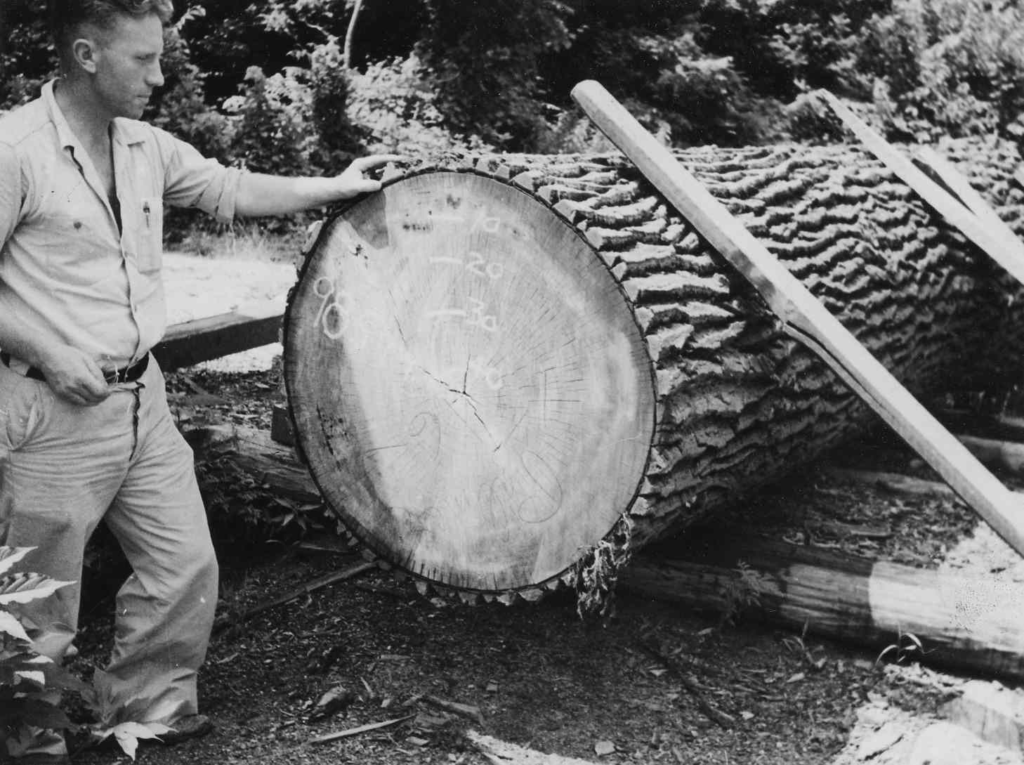
The wood is relatively lightweight and soft compared with many traditional hardwoods. Eastern cottonwood has historically been used for pulpwood and manufacturing applications, including furniture components and core stock. Its rapid growth also generated interest in plantations, biomass production, and other forms of managed forestry.
Its economic role is particularly interesting because the species occupies a middle ground between ecological restoration and production forestry. A tree that grows quickly can provide material in a shorter rotation than many slower-growing species. At the same time, productive plantations require careful attention to water availability, genetics, spacing, pests, and site conditions. Modern forestry increasingly evaluates such trees not only by volume produced but also by water demand, biodiversity effects, carbon storage, and long-term sustainability.
Why Climate Change Raises New Questions
Climate change creates competing pressures for floodplain forests. Warmer temperatures and changing precipitation patterns can increase drought stress, while intense rainfall and flooding can produce different challenges. Because these trees depend strongly on water availability, changes in groundwater and river discharge may be particularly important.
The Forest Service notes that plains cottonwood survival and growth are directly connected to moisture availability. Historical observations from the Great Plains demonstrate how severe drought can produce dramatically higher mortality where streams or springs lose dependable water. This suggests that future conservation strategies cannot rely solely on planting more trees. Managers may also need to protect groundwater connections, preserve natural floodplain processes, and select planting material suited to future conditions.
Cottonwood and Carbon Storage
Fast-growing trees naturally attract attention in discussions about carbon sequestration. During photosynthesis, trees remove carbon dioxide from the atmosphere and store carbon in wood, roots, leaves, and associated soil organic matter. A rapidly growing forest can therefore accumulate biomass relatively quickly compared with slower-growing vegetation.
Still, carbon accounting requires a broader view. A tree’s climate benefit depends on how long carbon remains stored, what happens to harvested wood, how soil carbon changes, and whether the planting site would otherwise support another ecosystem. Riparian forests can provide additional benefits beyond carbon storage, including habitat, shade, water-quality protection, and cooler streamside conditions. These combined services make floodplain restoration a potentially valuable climate adaptation strategy when projects are designed around local ecological conditions.
Diseases and Pests Can Threaten Mature Trees
Like other long-lived trees, cottonwoods face insects, fungal diseases, physical damage, and environmental stress. Problems become more serious when drought, poor rooting conditions, construction damage, or repeated disturbance weakens a tree before pests or pathogens arrive.
For homeowners and land managers, early observation is important. Warning signs can include unusual leaf discoloration, premature leaf loss, dead branches, fungal growth, trunk cavities, bark damage, or declining crown density. However, symptoms can have multiple causes, so removing a mature tree based on one visual symptom is rarely the best first response. An arborist, extension specialist, or qualified tree professional can help determine whether pruning, monitoring, treatment, or removal is appropriate.
Why Cottonwood Can Be Difficult in Cities
The same qualities that make these trees valuable in natural floodplains can create challenges in urban landscapes. Fast growth means branches and roots develop rapidly, while large mature crowns require considerable space. Older trees can also produce substantial deadwood, particularly after storms or periods of environmental stress.
Site selection therefore matters enormously. A spacious park, restoration corridor, or large property may be appropriate, while a narrow planting strip beside buildings, sidewalks, or underground infrastructure may not be. Homeowners should research the exact species and cultivar available locally rather than assuming every tree sold under the common name has identical characteristics. Local climate, soil drainage, irrigation, mature size, and maintenance requirements should all influence the decision.
Why Male and Female Trees Matter
Cottonwoods are generally dioecious, meaning individual trees are typically either male or female. This distinction becomes noticeable when female trees produce their characteristic fluffy seeds. Those airborne fibers can accumulate around homes, streets, gardens, and waterways during seed-dispersal periods.
For that reason, male selections have sometimes been preferred for ornamental planting because they do not produce the conspicuous seed fluff associated with female trees. The Forest Service specifically notes that male clones are commonly favored around homes for this reason.
However, the seed itself is not simply a nuisance. In natural ecosystems, those lightweight seeds are central to the tree’s reproductive strategy. Eliminating female trees from managed landscapes may reduce practical maintenance issues, but preserving naturally regenerating populations remains important for healthy wild floodplain forests.
The Future of Cottonwood Restoration
Restoration scientists are increasingly interested in working with natural processes instead of attempting to recreate forests through planting alone. Where appropriate, restoring seasonal flows, reconnecting rivers with floodplains, protecting groundwater, and allowing natural sediment deposition can create the conditions needed for regeneration.
Genetic diversity is another important consideration. Cottonwood populations have developed regional differences influenced by climate, soil, day length, pests, and other environmental pressures. That means restoration programs should avoid treating all planting material as interchangeable. Selecting locally appropriate or carefully evaluated genetic material may become increasingly important as climate conditions shift across river basins.
What Landowners Can Do Today
Landowners considering a planting project should begin with the site rather than the tree. Check available space, soil drainage, groundwater conditions, flood risk, expected mature dimensions, overhead utilities, and nearby infrastructure. In a natural riparian setting, protecting existing vegetation may be more valuable than planting new trees because established root systems and mature habitat can take decades to replace.
For restoration work, native plant specialists can help determine whether natural regeneration is already occurring. If planting is necessary, using healthy nursery stock or properly prepared cuttings and providing adequate moisture during establishment can improve survival. Because young seedlings compete poorly with dense vegetation, controlling competing plants during the establishment period can also be important.
Key Takeaways
The cottonwood is one of North America’s most important fast-growing riparian trees, but its success depends heavily on water, sunlight, and natural disturbance. Eastern cottonwood can become enormous, while plains cottonwood can grow several feet each year under favorable conditions. Their rapid growth supports forestry, habitat development, restoration, and potentially significant biomass accumulation.
The bigger lesson is ecological. Healthy cottonwood forests are often products of healthy rivers. Floods create exposed sediment, transport seeds, replenish floodplains, and maintain the shifting conditions these pioneer trees evolved to exploit. Dams, groundwater depletion, drought, invasive vegetation, and climate change can interrupt those processes, making regeneration more difficult even when mature trees remain.
Conclusion
The story of the cottonwood is ultimately a story about the relationship between trees and rivers. Its extraordinary growth rate makes it useful for forestry and restoration, while its size and ecological role make mature stands valuable habitat. Yet the species cannot be separated from the floodplains, groundwater systems, sediment flows, and seasonal patterns that shaped its evolution.
As communities invest more heavily in river restoration, drought adaptation, biodiversity protection, and climate resilience, these trees are likely to receive even greater attention. The most successful projects will not simply plant trees and walk away. They will restore the conditions that allow future generations to grow naturally. For readers, landowners, and conservationists, learning how these remarkable trees live is a useful first
Frequently Asked Questions
What is a cottonwood tree?
It is a group of fast-growing deciduous trees in the Populus genus, commonly associated with rivers, floodplains, wetlands, and other moist environments.
How fast does cottonwood grow?
Under favorable conditions, young eastern and plains cottonwoods can grow several feet in height each year. Growth varies substantially with water, soil, sunlight, genetics, and climate.
Where do cottonwood trees grow best?
They generally perform best in sunny locations with adequate moisture, particularly fertile floodplain soils and areas with accessible groundwater.
Are cottonwood trees good for wildlife?
Yes. Mature riparian forests provide nesting, feeding, shelter, and structural habitat for many birds, insects, mammals, and other organisms.
Do cottonwood trees need a lot of water?
They are strongly associated with moist sites, especially during establishment. Long-term survival can be closely tied to groundwater and dependable moisture availability.
Why do cottonwood trees produce white fluff?
Female trees release seeds attached to silky hairs. The hairs help disperse seeds by wind and can also allow them to travel along waterways.
Are cottonwoods useful for climate restoration?
They can contribute to carbon storage, habitat recovery, bank stabilization, and riparian restoration, but successful projects must address the underlying water and river processes that support the trees.
You May Also Read: Drake Passage