

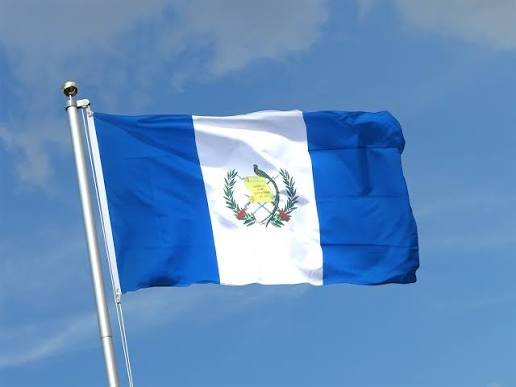
When people look at the blue and white design of the Guatemala flag, they see more than just a national symbol. They see a visual story of independence, identity, freedom, and cultural pride. From the ancient heritage of the Maya civilization to the modern Republic of Guatemala, this flag represents a nation shaped by resilience and diversity. Its simple colors hide deep meanings connected to justice, peace, liberty, and Guatemala’s geographic position between two major bodies of water.
Unlike many national flags that rely on complex patterns, the Guatemala flag combines a clean design with powerful symbolism. The central emblem, featuring the resplendent quetzal, a parchment scroll, crossed weapons, and a laurel crown, transforms the flag into a historical record of Guatemala’s struggle for sovereignty. Today, it remains one of Central America’s most recognizable national symbols.
The Origin and Historical Evolution of the Guatemala Flag
The history of the Guatemala flag reflects the political and social changes that shaped the country over centuries. Before the current design appeared, Guatemala used several different flags influenced by colonial rule, regional alliances, and changing governments. During the period of the Federal Republic of Central America, blue and white became important colors throughout the region, representing a shared Central American identity.
After independence from Spain in 1821, Guatemala experienced political transformations that affected its national symbols. Earlier versions of the flag included designs connected with conservative movements and Spanish influence. However, in 1871, a liberal reform government introduced a new national identity, bringing back the blue and white colors and creating the foundation of the modern design.
The adoption of the current style was not simply an artistic decision. It represented a shift toward independence, modernization, and a stronger national identity. The vertical blue-white-blue arrangement helped distinguish Guatemala from other Central American nations while maintaining connections with the region’s historical roots.
Over time, the emblem in the center became an essential part of the official national flag. The government continued refining regulations surrounding its use, ensuring that the symbol represented Guatemala’s values and historical achievements.
Guatemala Flag Colors and Their Meaning
The colors of the Guatemala flag carry important messages about the nation’s values and geography. The flag consists of three vertical stripes: two sky-blue stripes on the sides and a white stripe in the center. This simple arrangement creates one of the most recognizable designs in Latin America.
The sky-blue sections represent strength, justice, truth, and loyalty according to official interpretations. They are also connected to Guatemala’s natural environment, including the sky above the country and its location between the Pacific Ocean and the Caribbean Sea. These meanings highlight both national character and geographical identity.
The white stripe represents purity, integrity, peace, and light. Together, the blue and white colors communicate a vision of harmony and national unity. The combination reflects Guatemala’s desire to preserve freedom while maintaining peace among its diverse communities.
Many Central American countries share similar blue and white traditions because of their historical connection to the former Federal Republic of Central America. However, the vertical design and unique emblem make the Guatemala flag immediately distinguishable from neighboring nations.
Understanding the National Emblem on the Guatemala Flag
One of the most fascinating features of the Guatemala flag is the national coat of arms placed in the center. Unlike many flags where symbols are purely decorative, Guatemala’s emblem tells a detailed story about independence and national values.
The most famous element is the resplendent quetzal, Guatemala’s national bird. The quetzal has long been associated with freedom because of its cultural importance and its connection with indigenous traditions. The bird represents liberty and the belief that independence is a valuable national treasure.
The emblem also includes a parchment scroll displaying the date September 15, 1821, marking Guatemala’s independence from Spain. This date remains one of the most significant moments in the country’s history because it represents the beginning of Guatemala’s journey as a sovereign nation.
Additional elements include crossed rifles, swords, and a laurel crown. These symbols represent defense, honor, victory, and national sovereignty. Together, they create an emblem that combines Guatemala’s historical struggles with its hopes for peace and progress.
The Role of the Guatemala Flag in National Celebrations
The Guatemala flag plays a central role in national events, especially during Independence Day celebrations on September 15. Each year, citizens display the flag in schools, government buildings, businesses, and public spaces to celebrate national pride.
Schools often teach students about the meaning behind the flag’s colors and symbols. This educational tradition helps younger generations understand that the flag is not simply a decorative object but a representation of Guatemala’s history and cultural values.
During official ceremonies, the raising of the flag is often accompanied by the national anthem and patriotic activities. These events strengthen the connection between citizens and national identity, especially in a country with rich cultural diversity.
Beyond government events, the Guatemala flag appears during international sports competitions, cultural festivals, and global gatherings where Guatemalans living abroad celebrate their heritage.
Guatemala Flag and Cultural Identity in Modern Times
In the modern world, national flags have become powerful tools for expressing identity, and the Guatemala flag is no exception. For millions of Guatemalans, it represents family traditions, historical memories, and a connection to their homeland.
Guatemala has one of the most culturally diverse populations in Central America, including Maya communities with thousands of years of history. The national flag exists alongside many regional and cultural symbols, creating a broader picture of Guatemalan identity.
Digital platforms have also increased global interest in national symbols. People searching for information about Guatemala’s history, travel destinations, culture, and traditions often encounter the flag as one of the first representations of the country.
Tourism has further increased international recognition. Visitors exploring ancient Maya sites, colonial cities like Antigua Guatemala, and natural landscapes often see the Guatemala flag displayed as a symbol of hospitality and national pride.
How the Guatemala Flag Compares With Other Central American Flags

The Guatemala flag shares historical connections with several Central American flags, especially because many designs originated from the former Federal Republic of Central America. However, Guatemala’s design has several unique characteristics that make it stand apart.
For example, many neighboring countries use horizontal blue and white stripes, while Guatemala uses vertical stripes. This difference gives the flag a distinctive appearance and reflects Guatemala’s decision to create a separate national identity after regional political changes.
Another major difference is the presence of the detailed national emblem. While some countries use simpler symbols, Guatemala’s emblem combines wildlife, historical dates, and traditional elements to communicate a deeper national story.
This combination of simplicity and symbolism has made the flag an important subject for historians, designers, educators, and travelers interested in understanding national identity.
Interesting Facts About the Guatemala Flag
The Guatemala flag contains several details that make it unique among world flags. One of the most notable facts is that Guatemala is among the countries whose official civil flag and state flag differ because the version with the coat of arms has specific official uses.
Another interesting detail is the importance of the quetzal bird. The bird is not only a national symbol but also one of the most culturally significant creatures in Central America. Its presence connects modern Guatemala with ancient traditions and indigenous beliefs.
The flag’s design also reflects Guatemala’s geographic reality. The blue stripes are often interpreted as representing the oceans surrounding the country, while the white center symbolizes peace and purity.
These details demonstrate why national flags are more than visual designs. They preserve stories, values, and historical experiences that connect generations.
Future Importance of Guatemala’s National Symbol
As globalization continues, national symbols are becoming increasingly important for preserving cultural identity. The Guatemala flag will likely remain a powerful representation of the country’s heritage while Guatemala continues developing economically, socially, and internationally.
Future generations may view the flag not only as a symbol of independence but also as a representation of diversity, environmental responsibility, and cultural preservation. With growing interest in sustainable tourism and indigenous heritage, Guatemala’s national symbols may gain even wider international recognition.
Technology and digital media will also continue changing how people interact with national symbols. Online education, virtual museums, and global communities allow more people to learn about the meaning behind the flag.
Ultimately, the continued importance of the Guatemala flag comes from its ability to connect Guatemala’s past with its future.
Key Takeaways
- The Guatemala flag represents independence, freedom, peace, and national identity.
- Its blue and white colors symbolize justice, loyalty, purity, and harmony.
- The central emblem includes the quetzal bird, independence scroll, weapons, and laurel crown.
- The modern design was introduced in 1871 after major political changes.
- The flag remains an important cultural symbol inside Guatemala and among Guatemalans worldwide.
Conclusion
The Guatemala flag is far more than a combination of colors placed on fabric. It is a national story written through symbols, history, and cultural meaning. From the blue skies and surrounding oceans represented by its colors to the quetzal symbolizing freedom, every element reflects Guatemala’s journey.
For travelers, students, historians, and anyone interested in world cultures, understanding this flag provides a deeper appreciation of Guatemala itself. Its design captures centuries of struggles, achievements, and hopes for the future. Explore more about Guatemala’s history, traditions, and national symbols to discover the remarkable story behind one of Central America’s most meaningful flags.
Frequently Asked Questions
What do the colors of the Guatemala flag mean?
The blue represents justice, loyalty, and strength, while white represents peace, purity, and integrity.
When was the current Guatemala flag adopted?
The modern design was introduced in 1871 during Guatemala’s liberal reforms.
What bird appears on the Guatemala flag?
The resplendent quetzal appears in the national emblem and represents freedom.
Why does the Guatemala flag have blue and white colors?
The colors connect Guatemala with Central American history and represent national values and geography.
What does the emblem on the Guatemala flag represent?
The emblem symbolizes independence, liberty, victory, and national sovereignty.
Why is the Guatemala flag important?
It represents Guatemala’s history, culture, independence, and unity among its people.
You May Also Read: TozyMagazine.com