

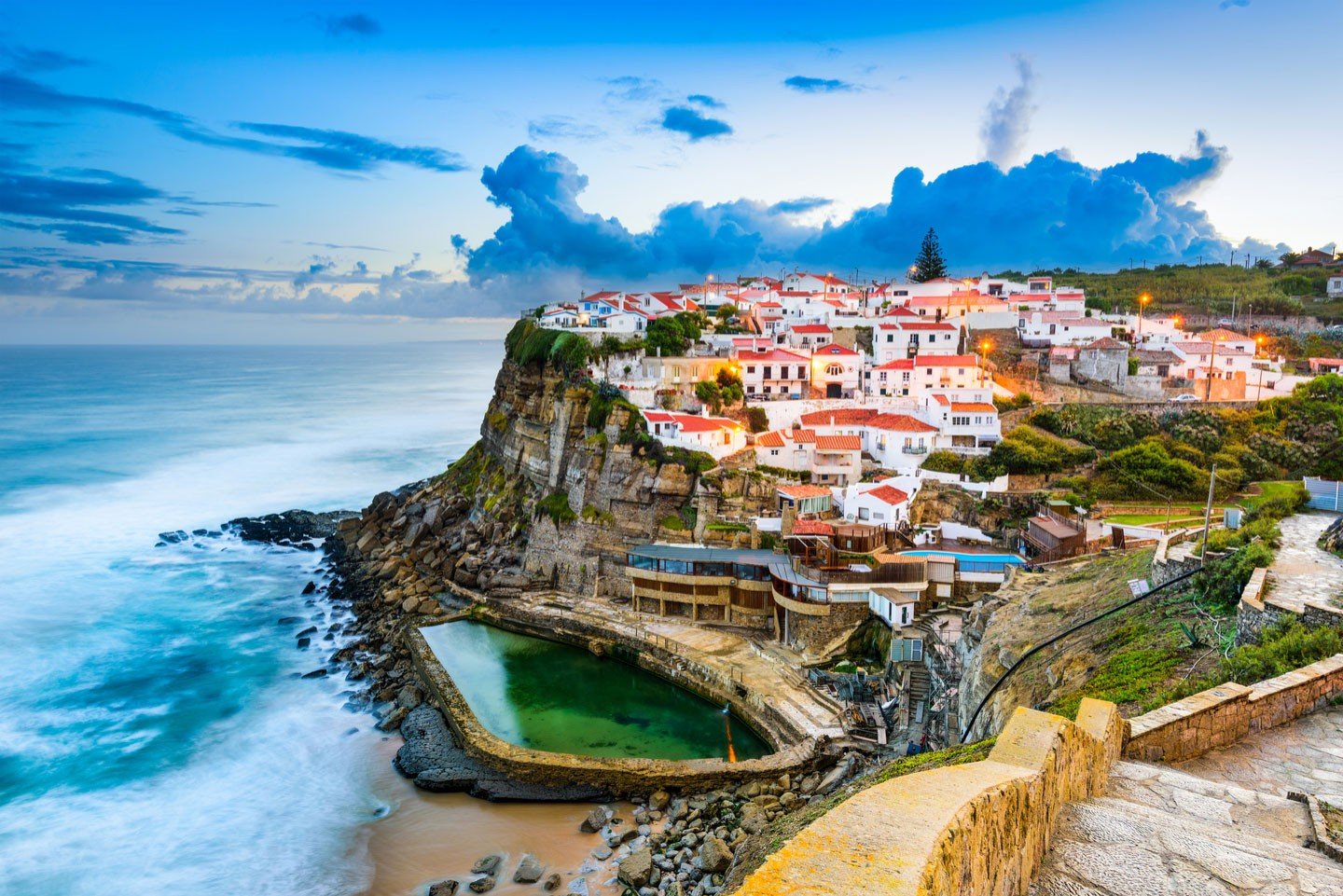
The Iberian Peninsula has once again become a center of global attention as Europe navigates changing energy markets, tourism growth, migration patterns, and evolving cultural connections. Stretching across southwestern Europe, this historic region has influenced civilizations for thousands of years, from ancient Mediterranean societies to modern European economies. Today, the Iberian Peninsula is not only a destination known for beaches, architecture, and cuisine but also a region playing an increasingly important role in Europe’s future.
Home to Spain, Portugal, Andorra, and parts of France and Gibraltar, the peninsula represents a unique blend of languages, traditions, landscapes, and historical experiences. Recent developments in renewable energy, technology, and regional cooperation have renewed interest in this diverse area. Understanding its geography, history, and modern transformation provides insight into why the Iberian Peninsula continues to matter on the world stage.
The Geography and Unique Landscape of the Iberian Peninsula
The Iberian Peninsula is located in the southwestern corner of Europe and is surrounded by the Atlantic Ocean, the Mediterranean Sea, and the Pyrenees Mountains. It is the second-largest peninsula in Europe after Scandinavia, covering approximately 583,000 square kilometers. The region’s geographical diversity includes mountains, forests, coastal plains, deserts, and fertile agricultural areas.
Spain occupies the largest portion of the peninsula, while Portugal stretches along the western Atlantic coast. Smaller territories, including Andorra in the Pyrenees and Gibraltar at the southern entrance of the Mediterranean, also form part of the region’s broader geographical identity. This variety of landscapes has shaped everything from economic activities to cultural traditions.
The natural environment of the peninsula has played a major role in its development. The Mediterranean climate supports olive farming, vineyards, and tourism, while Atlantic coastal regions have historically supported fishing and maritime trade. Meanwhile, mountain ranges such as the Sierra Nevada and Pyrenees have influenced settlement patterns and regional identities.
The Ancient History That Shaped the Iberian Peninsula
The history of the Iberian Peninsula reaches back thousands of years, with evidence of early human settlements dating to prehistoric times. Ancient communities, including the Iberians and Celtic groups, developed unique cultures before the arrival of major Mediterranean powers. These early civilizations created trade networks and contributed to the peninsula’s diverse cultural foundation.
The arrival of the Romans transformed the region dramatically. Known as Hispania under Roman rule, the peninsula became an important part of the Roman Empire. Roads, cities, legal systems, and Latin languages introduced during this period influenced the development of Spanish and Portuguese cultures that emerged centuries later.
After the decline of Roman authority, the peninsula experienced centuries of political and cultural change. Visigothic kingdoms controlled parts of the region before the arrival of Muslim forces in 711. The following centuries of Islamic rule created a period of scientific, architectural, and cultural exchange that remains visible today in cities such as Córdoba, Granada, and Seville.
The Cultural Diversity Across the Iberian Peninsula
One of the defining characteristics of the Iberian Peninsula is its remarkable cultural diversity. Although Spain and Portugal share geographical proximity, each developed distinct languages, traditions, and identities. Spanish, Portuguese, Catalan, Basque, and Galician are among the languages that reflect the region’s complex historical development.
Food, music, architecture, and festivals demonstrate the peninsula’s multicultural heritage. Spanish traditions such as flamenco, Portuguese fado music, Mediterranean cuisine, and regional celebrations all represent centuries of cultural evolution. These traditions continue to attract millions of visitors while maintaining strong connections to local communities.
Modern cultural identity in the Iberian Peninsula is shaped by both preservation and innovation. Younger generations continue traditional practices while also creating new forms of art, technology, and entrepreneurship. This combination of historical depth and modern creativity has strengthened the region’s global cultural influence.
Spain and Portugal’s Modern Economic Transformation
In recent decades, the Iberian Peninsula has undergone significant economic changes. Spain and Portugal have expanded beyond traditional industries such as agriculture and manufacturing, developing stronger tourism, renewable energy, technology, and service sectors.
Tourism remains one of the most important economic drivers in the region. Millions of international visitors travel each year to experience historic cities, coastal destinations, cultural landmarks, and natural landscapes. Cities such as Madrid, Barcelona, Lisbon, and Porto have become major international destinations for business, education, and travel.
At the same time, the peninsula has become a growing center for renewable energy development. Spain and Portugal have invested heavily in solar and wind power because of favorable climate conditions. These efforts align with Europe’s broader transition toward cleaner energy sources and have positioned the region as an important contributor to future energy strategies.
The Iberian Peninsula’s Growing Role in Renewable Energy
The renewable energy sector has become one of the most significant modern developments in the Iberian Peninsula. With abundant sunlight, strong winds, and large available areas for energy projects, Spain and Portugal have expanded their capacity in solar and wind power.
Spain has become one of Europe’s leading producers of solar energy, while Portugal has increased investment in renewable infrastructure and green technology. These developments have attracted international companies seeking opportunities in clean energy production and sustainable innovation.
Experts believe the region could play a larger role in Europe’s energy security in the coming decades. Improved electricity connections, energy storage solutions, and hydrogen development projects are expected to influence the peninsula’s position within European energy markets.
Tourism Trends and the Global Appeal of the Region
The Iberian Peninsula continues to be one of the world’s most popular travel regions because of its combination of history, climate, and cultural experiences. Travelers are increasingly looking beyond traditional attractions and seeking authentic local experiences, including rural tourism, culinary journeys, and nature-based activities.
Recent tourism trends show growing interest in sustainable travel. Visitors are exploring smaller towns, national parks, and cultural heritage sites rather than focusing only on major cities. This shift has created new opportunities for local economies while encouraging preservation of historic areas.
However, tourism growth also presents challenges. Popular destinations face concerns related to housing affordability, environmental pressure, and overcrowding. Governments and communities are increasingly exploring ways to balance economic benefits with long-term sustainability.
The Strategic Importance of the Iberian Peninsula in Europe
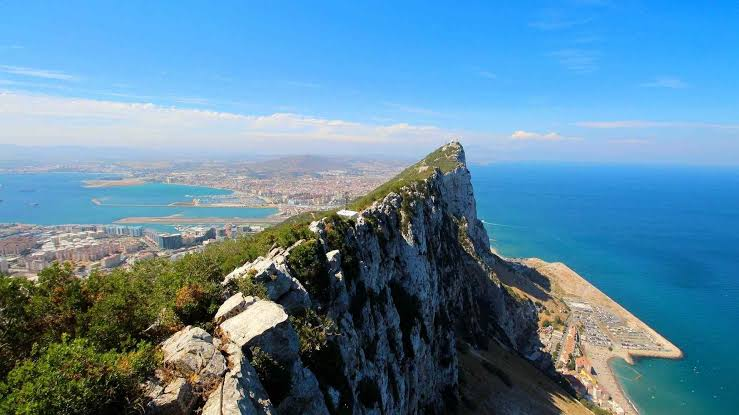
The location of the Iberian Peninsula gives it significant strategic importance. Positioned between Europe, Africa, and the Atlantic Ocean, the region has historically served as a bridge between continents. Its ports, transportation networks, and maritime connections continue to support international trade.
The Strait of Gibraltar, located between Spain and Morocco, remains one of the world’s most important maritime passages. It connects the Atlantic Ocean with the Mediterranean Sea and plays a crucial role in global shipping routes.
Today, the peninsula’s strategic value extends beyond geography. Its renewable energy potential, technology sector, and connections with Latin America make Spain and Portugal important partners in international cooperation and economic development.
Current Challenges Facing the Iberian Peninsula
Despite its opportunities, the Iberian Peninsula faces several challenges. Climate change has become a major concern, with rising temperatures, drought risks, and water shortages affecting agriculture, ecosystems, and communities.
Southern regions of Spain and Portugal are particularly vulnerable to extreme heat and changing rainfall patterns. Governments and researchers are investing in water management, climate adaptation, and sustainable agriculture to address these environmental pressures.
Economic challenges also remain. Some rural areas experience population decline as younger residents move toward larger cities for employment opportunities. Addressing regional inequality has become an important priority for policymakers seeking balanced development across the peninsula.
Future Outlook for the Iberian Peninsula
The future of the Iberian Peninsula is likely to be shaped by innovation, sustainability, and international cooperation. Renewable energy, digital transformation, and investment in infrastructure are expected to create new opportunities across the region.
Technology hubs in cities such as Lisbon, Madrid, and Barcelona are attracting startups and international businesses. The growth of remote work has also increased interest in the peninsula as a destination for professionals seeking a high quality of life.
As Europe continues to adapt to economic and environmental changes, the Iberian Peninsula may become even more influential. Its combination of natural resources, cultural strength, and strategic location gives it a unique position in shaping Europe’s future.
Key Takeaways
The Iberian Peninsula is one of Europe’s most historically and culturally significant regions.
Spain and Portugal make up most of the peninsula, with additional territories including Andorra and Gibraltar.
The region has been shaped by Roman, Islamic, and European influences over thousands of years.
Renewable energy development is increasing the peninsula’s importance in Europe’s future energy plans.
Tourism remains a major economic force, but sustainability challenges require careful management.
The region’s strategic location continues to connect Europe, Africa, and global trade networks.
Conclusion
The Iberian Peninsula represents a remarkable intersection of history, culture, geography, and modern innovation. From ancient civilizations and medieval kingdoms to renewable energy projects and global tourism, the region continues to evolve while preserving its unique identity.
As the world faces new economic and environmental challenges, the peninsula’s role is expected to expand. Its natural resources, cultural influence, and strategic position provide opportunities that extend far beyond its borders. Exploring the Iberian Peninsula offers a deeper understanding of how history and modern progress can exist together, creating a region that remains important in the global conversation.
For travelers, researchers, and anyone interested in Europe’s future, the Iberian Peninsula offers endless stories waiting to be discovered. Continue exploring its history, cultures, and latest developments to understand why this remarkable region continues to shape the world around it.
Frequently Asked Questions
What countries are part of the Iberian Peninsula?
The Iberian Peninsula mainly includes Spain and Portugal, along with Andorra, Gibraltar, and small parts of France.
Why is the Iberian Peninsula historically important?
The region has been influenced by ancient civilizations, Roman rule, Islamic culture, and European kingdoms, making it one of Europe’s richest historical areas.
What languages are spoken in the Iberian Peninsula?
Major languages include Spanish, Portuguese, Catalan, Basque, and Galician, reflecting the region’s cultural diversity.
Why is the Iberian Peninsula important for renewable energy?
Its abundant sunlight and wind resources have helped Spain and Portugal become important producers of renewable energy in Europe.
What makes the Iberian Peninsula popular with tourists?
Visitors are attracted by its historic cities, beaches, cuisine, architecture, cultural traditions, and natural landscapes.
What challenges does the Iberian Peninsula face today?
Major challenges include climate change, water shortages, population decline in rural areas, and managing tourism growth.
What is the future outlook for the Iberian Peninsula?
The region is expected to grow in importance through renewable energy, technology, tourism, and international cooperation.
You May Also Read: West Virginia Flag