


A language is more than a collection of words; it carries memories, struggles, traditions, and the identity of millions of people. Afrikaans began as a practical way for communities in the Cape region to communicate centuries ago, but it gradually developed into one of the most recognized languages in Southern Africa. Today, it connects history, literature, education, music, and modern digital culture across borders.
From its Dutch origins to its transformation through African, Asian, and European influences, the language reflects a complex journey. Spoken by millions of people in South Africa and Namibia, Afrikaans remains an important part of regional communication while continuing to evolve in schools, media, technology, and entertainment.
The Origins and Historical Development of Afrikaans
The history of Afrikaans begins in the 17th century when Dutch settlers arrived at the Cape Colony, an area that is now part of South Africa. The Dutch language spoken by settlers gradually changed as it interacted with different communities, including Indigenous groups, enslaved people from Southeast Asia, and other populations living in the region. Over generations, these linguistic influences created a distinct language rather than simply a regional version of Dutch.
Unlike many languages that developed through isolated communities, this language grew through constant interaction between different cultures. Words, pronunciation patterns, and expressions from Malay, Portuguese, Khoisan languages, and African languages contributed to its development. This multicultural background is one reason linguists often describe its history as a unique example of language evolution.
By the 18th and 19th centuries, the language had become increasingly recognizable as a separate linguistic system. Writers, educators, and activists worked to establish it as a formal language with its own literature and educational resources. The first language movements played a major role in creating written standards and increasing public recognition.
How Afrikaans Became an Official Language
The journey of Afrikaans from a spoken community language to an official language was shaped by political and cultural movements. During the late 19th and early 20th centuries, language activists argued that it deserved recognition separate from Dutch. Newspapers, books, and educational materials helped strengthen its public position.
In 1925, South Africa officially recognized Afrikaans alongside Dutch and English, marking a major moment in its history. Over time, it became widely used in government, education, literature, and broadcasting. However, the language’s association with political power during the apartheid era created a complicated legacy that still influences discussions around identity and language today.
The relationship between language and politics became especially visible during the 1976 Soweto uprising, when students protested against the forced use of Afrikaans as a teaching language in schools. The event became a turning point in South African history and demonstrated how language policies could influence social movements.
Today, the language exists within a democratic multilingual framework. South Africa recognizes 11 official languages, and Afrikaans continues to play a role in education, media, literature, and cultural expression.
Where Afrikaans Is Spoken Today
Modern Afrikaans is primarily spoken in South Africa and Namibia, although communities of speakers can also be found around the world due to migration. In South Africa, it remains one of the country’s major home languages, with millions of native speakers and many more people using it as a second language.
The largest concentrations of speakers are found in provinces such as Western Cape and Northern Cape. Cities including Cape Town, Pretoria, and Bloemfontein have strong cultural connections to the language through schools, universities, newspapers, and artistic communities.
Although demographic patterns have changed over time, the language remains highly visible in South African society. It continues to appear in television programs, radio stations, online platforms, music, and publishing. More than 300 books are published annually in Afrikaans, showing that it maintains an active literary tradition.
Outside Southern Africa, universities and cultural organizations in countries including the Netherlands, Belgium, Germany, Poland, Russia, and the United States offer opportunities to study the language. This international academic interest demonstrates its continued importance beyond its geographic origins.
The Unique Features That Make Afrikaans Different
One reason Afrikaans attracts attention from linguists and language learners is its relatively straightforward grammar compared with many other Germanic languages. It developed from Dutch but simplified many grammatical structures over time.
For example, it does not use grammatical gender in the same way that Dutch and German do, making certain aspects easier for learners. Verb systems are also generally less complex compared with many European languages, although pronunciation and vocabulary still require practice.
The vocabulary of the language reflects its multicultural history. Some words have Dutch origins, while others come from Malay, Portuguese, Khoisan languages, and African languages. This combination gives it a distinctive identity that separates it from standard Dutch.
Another interesting feature is its close relationship with Dutch. Speakers of Dutch and Afrikaans can often understand parts of each other’s languages, although differences in pronunciation, vocabulary, and usage can create challenges. This relationship makes it an important subject for comparative linguistics.
Afrikaans Literature, Music, and Cultural Expression
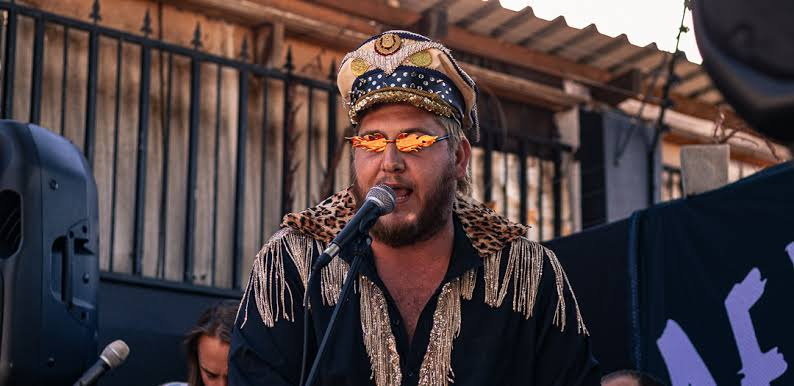
Culture has played a major role in preserving and expanding Afrikaans. Literature, poetry, music, and theater have allowed speakers to express personal experiences, historical memories, and social perspectives.
Writers such as C.J. Langenhoven, Breyten Breytenbach, and Antjie Krog contributed significantly to its literary tradition. Their works explored themes ranging from identity and politics to personal experiences and social change.
Music has also helped introduce the language to younger generations. Modern artists combine traditional sounds with pop, rock, and contemporary styles, creating new ways for audiences to connect with the language.
Film and digital media are also changing how the language reaches audiences. Streaming platforms, podcasts, YouTube channels, and social media creators are providing new spaces where speakers can share stories and build communities.
The Role of Afrikaans in Education and Technology
Education remains one of the most important areas where Afrikaans continues to develop. Schools and universities provide instruction, research, and academic resources that help maintain its presence in modern society.
However, language education in South Africa remains a complex topic. Debates continue about balancing access, equality, and the preservation of mother-tongue education. Recent discussions around education laws have highlighted different views about the role of Afrikaans-medium institutions and multilingual education.
Technology is creating new opportunities for language growth. Digital dictionaries, translation tools, speech recognition systems, and online learning platforms are helping younger generations engage with the language.
Researchers are also exploring artificial intelligence applications involving Afrikaans speech and language processing. Recent studies have examined automatic assessment tools for Afrikaans-speaking children, showing how technology can support education and literacy development.
Challenges Facing Afrikaans in the Modern World
Like many languages, Afrikaans faces challenges in a rapidly changing global environment. English has become dominant in international business, science, and technology, influencing language choices among younger generations.
In South Africa, changing demographics and increased multilingual communication have affected how often people use different languages. Census data shows changes in the proportion of people identifying Afrikaans as their first language, although millions continue to speak it daily.
Another challenge is overcoming historical associations. Because the language was used by political institutions during apartheid, some communities have viewed it through a difficult historical lens. At the same time, many speakers emphasize that the language belongs to diverse communities and has cultural value beyond any political period.
Efforts to promote inclusive language communities are becoming increasingly important. Many educators, writers, and cultural organizations are working to present Afrikaans as a shared heritage rather than something limited to one group.
The Future of Afrikaans in a Changing Digital Age
The future of Afrikaans will likely depend on how effectively it adapts to modern communication platforms. Languages that remain active online often have stronger opportunities for survival among younger generations.
Social media, digital publishing, streaming entertainment, and online education are creating new spaces for language use. Young creators are producing content that combines traditional language with modern topics, helping it remain relevant.
Global interest in language preservation is also increasing. As researchers study linguistic diversity, maintaining smaller and regional languages has become an important cultural priority.
Future growth will depend on innovation, accessibility, and inclusion. If the language continues appearing in education, technology, entertainment, and everyday communication, it can remain a strong part of Southern African identity.
Key Takeaways
- Afrikaans developed from Dutch but became a unique language through centuries of cultural interaction.
- It is one of South Africa’s official languages and is also recognized in Namibia.
- Millions of people use it as a first or additional language.
- Its history includes both cultural achievements and complex political associations.
- Literature, music, and digital media continue supporting its growth.
- Technology and education will play important roles in its future development.
Conclusion
Afrikaans represents much more than a method of communication. It is a record of migration, cultural exchange, historical events, and human creativity. From its beginnings in the Cape Colony to its modern presence online, it has continued changing while maintaining a strong connection to its heritage.
The language’s future will depend on how communities use it in education, technology, entertainment, and everyday life. As younger generations create new forms of expression, Afrikaans has the opportunity to remain a vibrant part of Southern Africa’s cultural landscape.
Exploring its history and evolution provides valuable insight into how languages grow, adapt, and survive. Continue discovering the stories behind world languages to better understand the cultures and communities that shape our global society.
Frequently Asked Questions
What is Afrikaans?
Afrikaans is a West Germanic language that developed from Dutch influences in Southern Africa.
Where is Afrikaans spoken?
Afrikaans is mainly spoken in South Africa and Namibia.
How many people speak Afrikaans?
Millions of people speak Afrikaans as a first language, with many others using it as a second language.
Is Afrikaans similar to Dutch?
Afrikaans developed from Dutch and shares many vocabulary similarities.
Why is Afrikaans important?
Afrikaans is important because it represents history, literature, culture, and identity for many communities.
Is Afrikaans still growing today?
Afrikaans continues to be used in media, education, music, and digital platforms despite modern challenges.
You May Also Read: What Is Potential Energy