

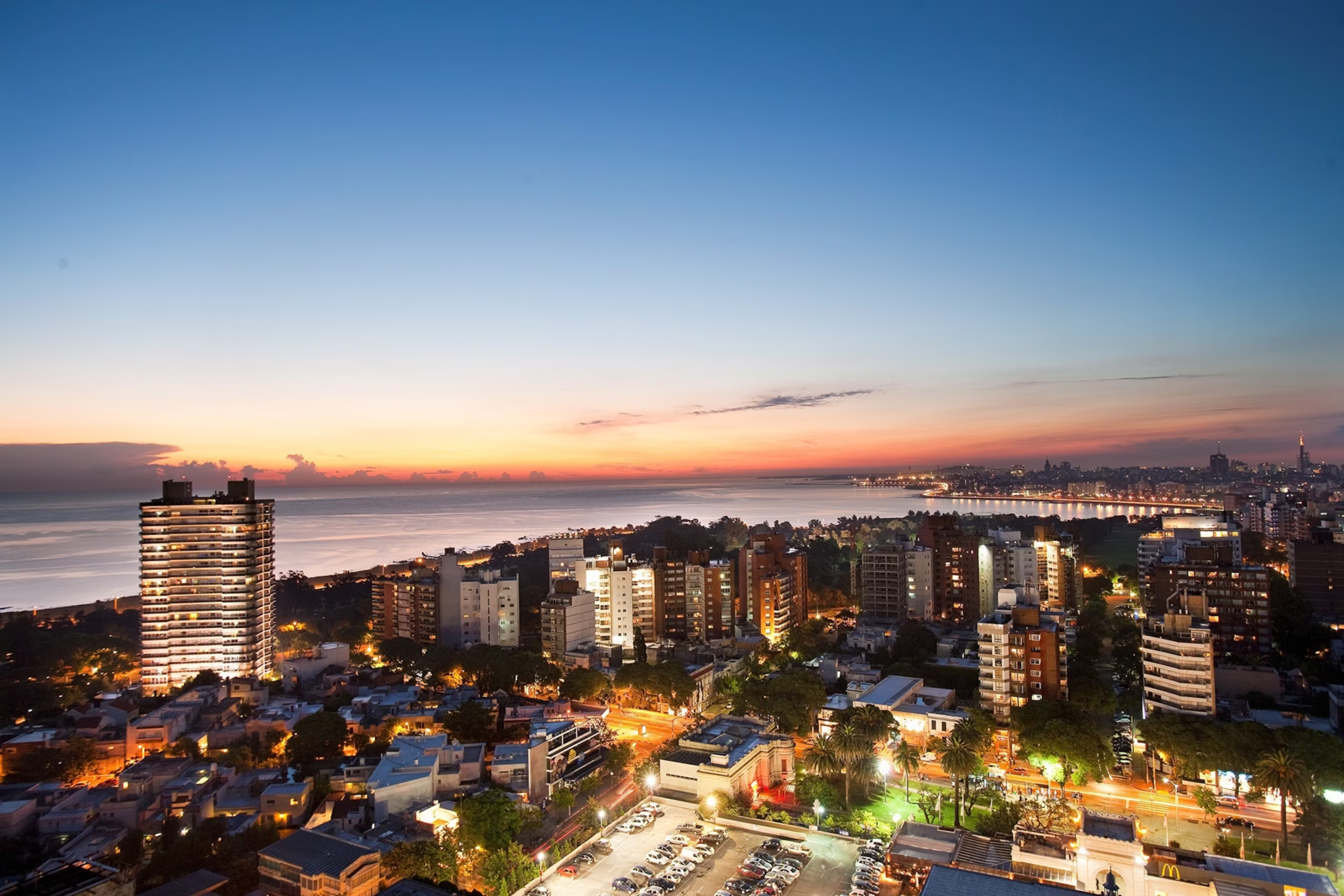
At the edge of the Río de la Plata, Montevideo has always lived between contrasts: historic and modern, relaxed and ambitious, coastal yet deeply urban. Uruguay’s capital is now attracting renewed attention as tourism evolves, infrastructure develops, and the city strengthens its position as a regional center for culture, technology, business, and public life. Yet the most interesting story is not simply about growth. It is about how Montevideo is trying to preserve its distinctive character while responding to changing economic conditions, new travel habits, climate pressures, and shifting expectations from residents and visitors.
Why Montevideo Matters Beyond Uruguay
Montevideo is the capital and largest city of Uruguay, and its importance extends well beyond its population. It concentrates much of the country’s political administration, financial activity, cultural institutions, universities, media, and major transportation connections. Its location on the Río de la Plata gives it a strong maritime identity, while its historic neighborhoods provide a visible connection to Uruguay’s past. For international audiences, the city often serves as the first introduction to the country’s distinctive blend of South American culture and comparatively small-scale urban life.
The city also benefits from Uruguay’s reputation for institutional stability and relatively high levels of urban development within the region. That reputation has supported interest from businesses, professionals, students, and travelers. At the same time, Montevideo faces familiar metropolitan challenges, including housing affordability, transportation needs, environmental pressures, and uneven economic opportunities. Those tensions make the capital particularly interesting to watch as Uruguay balances modernization with the qualities that make the city recognizable.
A Short History of Uruguay’s Capital
The story of Montevideo began in the early eighteenth century, when Spanish authorities established a settlement in a strategically important location overlooking the Río de la Plata. The city’s position mattered because European powers competed for influence across the region. Fortifications and port facilities helped establish Montevideo as a significant military and commercial location, and the settlement gradually developed into an important urban center.
The city’s later history became closely connected with Uruguay’s independence and the development of the modern republic. Ciudad Vieja, or the Old City, still preserves architectural evidence of earlier periods, including historic streets, plazas, religious buildings, and remnants of defensive structures. Over time, the city expanded far beyond its original fortified core, creating the broad urban landscape that exists today. That historical layering remains one of Montevideo’s strongest cultural assets.
Ciudad Vieja and the City’s Historic Identity
Ciudad Vieja is where many visitors first encounter Montevideo’s historical character. Narrower streets, colonial-era structures, public squares, galleries, cafés, government buildings, and cultural institutions create a neighborhood that feels distinct from the city’s newer districts. Plaza Matriz and nearby streets illustrate how Uruguay’s political and architectural history remains embedded in everyday urban space rather than being isolated inside a museum.
However, the Old City is not frozen in the past. Restaurants, creative businesses, cultural venues, offices, and contemporary redevelopment continue to shape the neighborhood. That combination creates both opportunities and challenges. Historic preservation can protect architectural identity, while new investment can bring activity and employment. The long-term question is how Montevideo can encourage revitalization without turning historically significant areas into generic commercial districts.
Montevideo’s Famous Relationship With the Coast
One of the capital’s defining features is its long waterfront, commonly associated with the Rambla. The coastal road and promenade provide residents with access to beaches, walking routes, cycling areas, parks, and open views across the Río de la Plata. Few major cities have such an extensive relationship with a broad waterfront that functions simultaneously as transportation infrastructure, recreational space, and a central part of urban identity.
That relationship has practical importance as well. Coastal areas are vulnerable to changing weather patterns, erosion, flooding, and long-term climate pressures. As Montevideo develops, planners must consider how public waterfront spaces can remain accessible while protecting infrastructure and communities. Climate resilience is therefore becoming part of the city’s future planning conversation rather than simply an environmental issue.
The Role of Tourism in the Modern City
Montevideo attracts travelers looking for a different pace from larger South American capitals. Visitors can explore historic architecture, museums, markets, beaches, cafés, restaurants, theaters, and neighborhood streets without needing to navigate an enormous metropolitan area. The city’s compact central districts also make it possible to combine cultural sightseeing with everyday experiences such as drinking coffee, visiting a local market, or walking along the Rambla.
Tourism, however, is changing. Travelers increasingly look beyond famous landmarks and seek food experiences, neighborhood culture, architecture, music, and locally guided activities. That trend can benefit Montevideo because its appeal often comes from atmosphere rather than a single blockbuster attraction. Sustainable tourism strategies could strengthen that advantage by distributing visitors across neighborhoods and encouraging longer stays rather than concentrating demand around a handful of sites.
Food, Mate, and Everyday Culture
Montevideo’s cultural identity is impossible to separate from food and social traditions. Asado, a style of barbecue deeply associated with Uruguay and the wider Río de la Plata region, remains an important part of culinary life. Visitors may also encounter chivitos, a substantial Uruguayan sandwich, alongside pastries, seafood, Italian-influenced dishes, and contemporary cuisine. Food culture provides a useful window into the country’s European migration history and regional connections.
Mate is equally important as a social tradition. Although it is not unique to Montevideo or Uruguay, the ritual of preparing and sharing the drink is highly visible in daily life. People carrying thermoses and mate gourds are a familiar sight across the city. For visitors, these ordinary scenes can reveal more about Montevideo’s social rhythm than a formal attraction can. They demonstrate how cultural traditions remain active parts of modern urban life.
Football and Montevideo’s Sporting Identity
Football is deeply woven into Uruguay’s national identity, and Montevideo sits at the center of that tradition. The city is home to historically significant clubs, including Club Nacional de Football and Peñarol. Their rivalry is among the most famous in South American football, and match days can transform ordinary neighborhoods into intensely passionate spaces.
Uruguay’s international football history also gives the capital unusual sporting significance. The country hosted and won the inaugural FIFA World Cup in 1930, with the final played at Montevideo’s Estadio Centenario. Today, the stadium remains an important symbol of football history. Its presence connects contemporary sports culture with an era when Uruguay established itself as one of the world’s pioneering football nations.
Business, Technology, and a Changing Economy
Montevideo has increasingly positioned itself as a hub for technology and knowledge-based services. Uruguay’s relatively strong digital infrastructure, educated workforce, and growing technology sector have supported software development and other internationally oriented businesses. The country’s digital-government initiatives have also contributed to its reputation as one of Latin America’s more digitally advanced public sectors.
This transformation matters because it diversifies an economy historically connected with agriculture, services, trade, and logistics. Technology companies can sell internationally without requiring the same physical infrastructure as traditional industries. Nevertheless, the sector also faces challenges, including competition for skilled workers and the need to maintain education and infrastructure standards. Montevideo’s ability to attract and retain talent will remain an important factor in its economic future.
The Port and Montevideo’s Regional Importance
Montevideo’s port has played a central role in the city’s economic history and continues to influence its regional position. Located on the Río de la Plata, the port connects Uruguay to international maritime trade and supports logistics, commerce, and related services. Its importance extends beyond the city because Uruguay sits between the larger economies of Argentina and Brazil.
The port’s future is therefore linked to broader developments in South American trade. Changes in shipping, regional supply chains, infrastructure investment, and agricultural exports can all influence demand. Modernizing logistics infrastructure can strengthen Montevideo’s competitiveness, but port development also has to coexist with a city whose waterfront is a major public and environmental asset.
Public Transportation and Urban Mobility
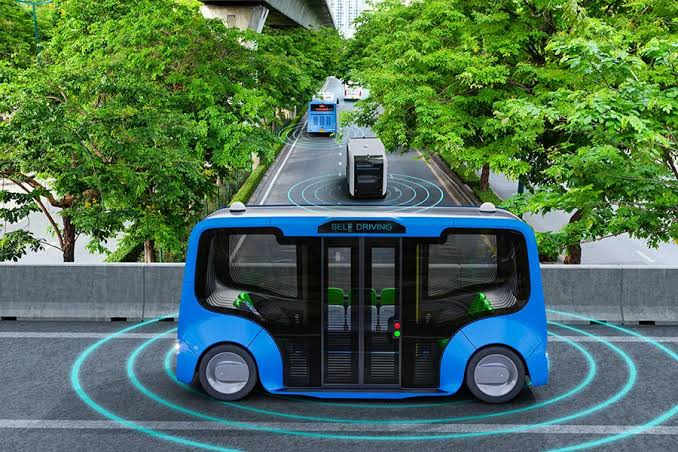
Montevideo’s public transportation system relies heavily on buses, which connect central neighborhoods with residential districts and surrounding areas. For many residents, bus reliability, route coverage, travel times, and affordability have a direct effect on daily quality of life. As cities worldwide rethink transportation, Montevideo faces the same question: how can an established urban network become cleaner and more efficient without making travel less accessible?
Cycling and pedestrian infrastructure are also becoming increasingly relevant. The Rambla and other public spaces provide natural opportunities for active transportation, while improvements to sidewalks, bike routes, intersections, and public spaces can make neighborhoods more accessible. The challenge is not simply building individual projects but creating a connected mobility system that works for commuters, residents, visitors, and people with different physical abilities.
Montevideo’s Climate and Environmental Challenges
Montevideo has a temperate climate influenced by its position on the Río de la Plata and the South Atlantic. Summers can be warm and humid, while winters are generally mild compared with cities at similar latitudes farther inland. Weather can change quickly, and rainfall occurs throughout the year rather than being restricted to one sharply defined wet season.
Climate change introduces additional uncertainty. Coastal flooding, intense rainfall, heat events, and pressure on urban infrastructure are among the issues that planners must consider. The city’s waterfront makes adaptation particularly important. Green spaces, drainage improvements, resilient infrastructure, and careful coastal planning can help reduce risks. The challenge will be protecting residents while preserving public access to one of the capital’s defining landscapes.
Arts, Music, and Cultural Life
Montevideo has a rich cultural scene shaped by Spanish and Italian immigration, African-Uruguayan traditions, regional influences, and local creativity. Candombe is especially important. Developed within Afro-Uruguayan communities, its distinctive rhythms and percussion traditions became a central element of Uruguayan cultural identity. Carnival celebrations provide one of the most visible opportunities to experience this heritage.
The city’s cultural institutions also extend into theater, literature, visual arts, cinema, and contemporary music. The Teatro Solís is among the best-known cultural landmarks, while neighborhood cultural centers contribute to a broader creative ecosystem. For visitors, this means Montevideo can be explored through performances and local events rather than architecture alone.
Why Neighborhoods Tell a Different Story
Montevideo becomes more understandable when viewed through its neighborhoods. Pocitos and Punta Carretas are associated with beaches, apartment buildings, restaurants, and a more modern urban atmosphere. Palermo and Barrio Sur are strongly connected with Afro-Uruguayan culture and candombe. Meanwhile, Carrasco offers a quieter residential environment near the coast. Each area presents a different version of the city.
This neighborhood diversity is also important for understanding urban inequality and development. Not every part of the capital benefits equally from investment, infrastructure, or tourism. As Montevideo continues to modernize, policymakers face the challenge of improving services and opportunities without creating deeper geographic divisions. Inclusive urban development will be increasingly important as the city adapts to economic and environmental pressures.
What Visitors Should Know Before Traveling
Travelers planning a trip should consider the season, neighborhood, transportation options, and preferred pace. Summer can be attractive for beach and waterfront activities, while cooler months may suit visitors more interested in museums, architecture, food, and cultural events. Because the city offers many experiences close together, a flexible itinerary often works better than attempting to fill every hour with scheduled attractions.
Visitors should also allow time for ordinary experiences. Sitting at a café, walking the Rambla near sunset, exploring a local market, or attending a cultural performance can reveal the city’s character more effectively than rushing between landmarks. As in any international destination, travelers should use normal precautions, protect valuables, and check current transportation and local safety information before heading out.
The Future of Montevideo
Montevideo’s next chapter will be shaped by several forces at once: digital economic growth, tourism, infrastructure investment, climate adaptation, housing needs, and cultural preservation. The city has an advantage in its relatively compact scale and strong identity, but those qualities can become vulnerable if development ignores affordability or environmental constraints.
The most promising future is likely to be one that builds on what already works. Protecting historic districts, strengthening public transportation, improving digital infrastructure, supporting cultural industries, and making the waterfront more resilient can reinforce the city’s appeal without erasing its character. Montevideo does not need to become another global megacity to succeed. Its opportunity may lie precisely in offering a distinctive, livable alternative within South America.
Key Takeaways
Montevideo is more than Uruguay’s administrative capital. It is a coastal city where history, football, food, culture, technology, trade, and everyday life intersect. Its historic core preserves the memory of the colonial period, while neighborhoods across the city demonstrate how Uruguay’s capital has continued to evolve.
Tourism remains important, but the city’s future increasingly depends on broader economic and environmental factors. Technology and digital services are creating new opportunities, while the port continues to support regional commerce. At the same time, transportation, housing, coastal resilience, and climate adaptation will require sustained attention.
For travelers, Montevideo rewards curiosity. Its most memorable experiences often come from combining major landmarks with local neighborhoods, food, music, waterfront walks, and cultural events. For businesses and policymakers, the central challenge is maintaining the city’s quality of life while adapting to a changing economy and climate.
Conclusion
Montevideo stands at an interesting point in its history. Its colonial streets, football traditions, waterfront culture, and distinctive social rhythms give it a strong identity, while technology, tourism, infrastructure development, and climate pressures are pushing the city toward a new chapter. Rather than abandoning its past, the capital’s greatest opportunity is to use that heritage as a foundation for thoughtful modernization.
For anyone following developments in South America, planning a visit, studying urban growth, or simply looking for a city with a distinctive cultural story, Montevideo deserves closer attention. Explore its historic center, walk its coastline, experience its food and music, and look beyond the obvious landmarks. The more closely you examine Uruguay’s capital, the clearer it becomes that its most compelling story is still being written.
Frequently Asked Questions
What is Montevideo known for?
Montevideo is known for its historic architecture, Rambla waterfront, football culture, candombe, food, beaches, and relaxed urban atmosphere.
Is Montevideo the capital of Uruguay?
Yes. Montevideo is Uruguay’s capital and largest city.
What is the best time to visit Montevideo?
Late spring through early autumn is popular for pleasant weather, although each season offers different experiences.
What is the Rambla in Montevideo?
The Rambla is the city’s extensive waterfront promenade and road system along the Río de la Plata.
What food is Montevideo famous for?
Popular choices include asado, chivito, mate, pastries, and a variety of regional and contemporary dishes.
You May Also Read: Taiga Biome Climate