

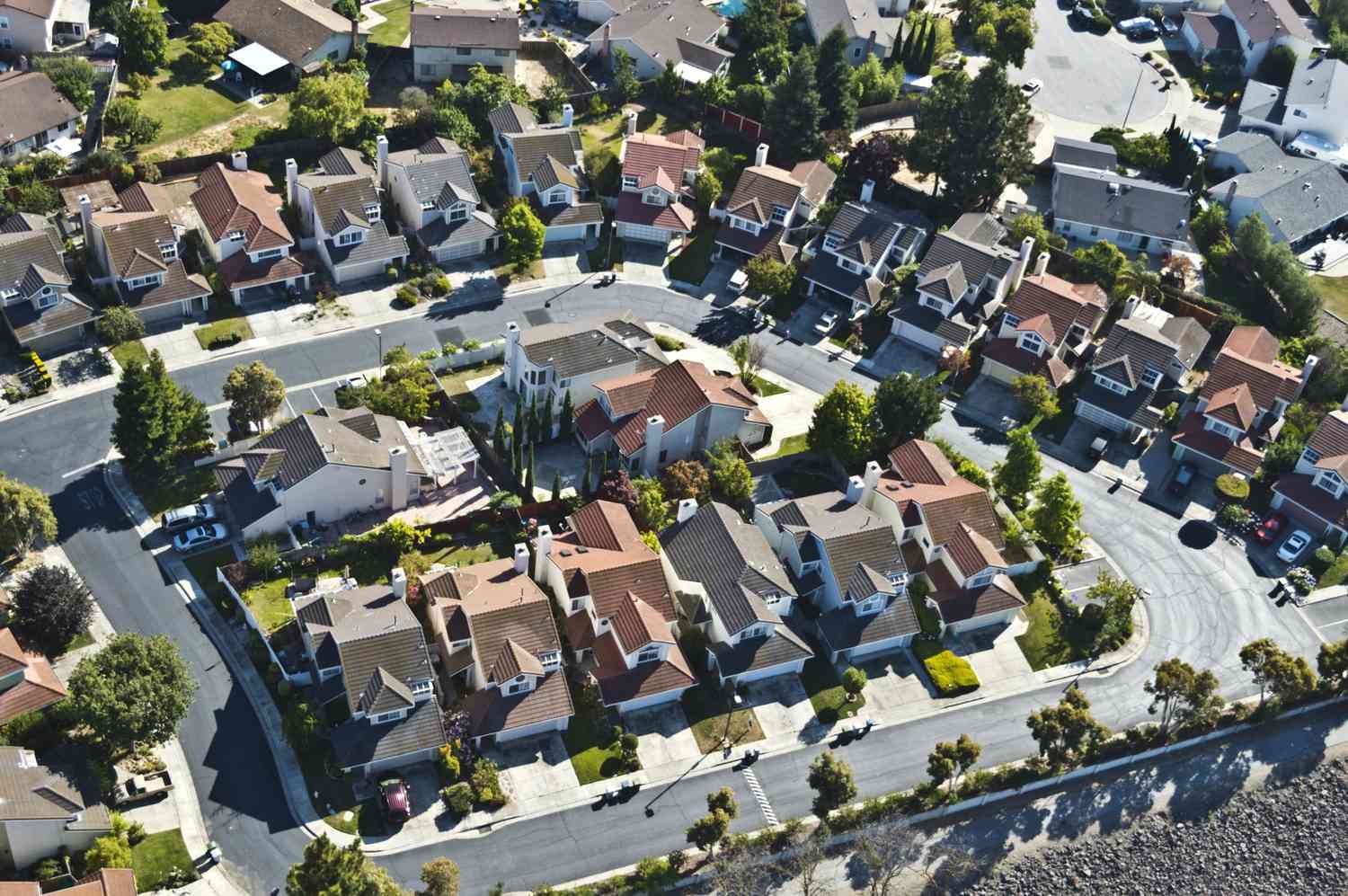
Urban sprawl is a major topic in urban planning, environmental studies, and modern city development. It describes the expansion of cities beyond their traditional boundaries into surrounding rural areas, creating larger metropolitan regions with new residential communities, roads, businesses, and infrastructure. As populations increase and housing demands grow, many cities experience outward expansion that changes landscapes, transportation patterns, and community structures.
The growth of urban areas has created both opportunities and challenges for societies around the world. Urban sprawl can provide more housing choices, larger living spaces, and economic opportunities, but it can also create issues such as traffic congestion, environmental damage, and increased infrastructure costs. Understanding urban sprawl helps communities make better decisions about how cities should grow while balancing development with sustainability.
What Is Urban Sprawl? Definition and Key Characteristics
Urban sprawl refers to the outward spread of cities into nearby undeveloped or rural land, often through low-density development. Instead of concentrating growth within existing city areas, urban sprawl usually creates suburban neighborhoods that extend farther from urban centers. These areas often include single-family homes, shopping centers, office parks, and large transportation networks designed mainly for automobile travel.
One of the defining characteristics of urban sprawl is the separation of different land uses. Residential areas may be located far away from workplaces, schools, and shopping facilities, requiring people to travel longer distances. This pattern often increases dependence on cars because public transportation and walking options may be limited in widely spread communities.
Another important feature of urban sprawl is the consumption of large amounts of land. As cities expand outward, natural landscapes, agricultural areas, and open spaces may be transformed into developed areas. While this expansion can support population growth, it also creates challenges related to environmental protection and efficient resource management.
Causes of Urban Sprawl and Why Cities Continue to Grow
Urban sprawl develops because of several connected economic, social, and environmental factors. One of the biggest causes is population growth, which increases demand for housing, schools, businesses, and public services. When city centers become crowded or expensive, many people look toward suburban areas where they can find more affordable homes and larger properties.
Housing preferences also contribute to urban sprawl. Many families choose suburban communities because they offer more space, quieter neighborhoods, and access to private outdoor areas. Developers often respond to this demand by building new residential areas outside city centers, which encourages further expansion into surrounding land.
Transportation development is another major factor behind urban sprawl. The construction of highways and increased automobile ownership allow people to live farther from urban centers while still commuting to work and services. As transportation networks expand, they often make additional suburban development possible and encourage cities to continue growing outward.
Environmental Effects of Urban Sprawl
Urban sprawl can have significant effects on the natural environment. When cities expand into rural areas, forests, wetlands, and farmland may be replaced with buildings, roads, and parking spaces. This process can reduce natural habitats and affect wildlife populations by changing ecosystems and limiting available green spaces.
Another environmental concern related to urban sprawl is increased pollution. Because sprawling communities often depend heavily on cars, longer commuting distances can lead to higher fuel consumption and greater carbon emissions. More vehicles on the road can contribute to air pollution and increase the environmental impact of transportation.
Urban sprawl can also affect water systems and natural resources. Large areas covered by concrete and pavement reduce the ability of soil to absorb rainwater, which may increase flooding risks. Sustainable planning methods are important for reducing these environmental challenges while allowing cities to continue developing.
Economic and Social Impacts of Urban Sprawl
Urban sprawl creates a combination of economic advantages and challenges. On the positive side, expanding cities can provide additional housing opportunities, attract businesses, and support economic growth. Suburban areas often offer affordable land for homes and commercial development, allowing communities to grow and attract new residents.
However, urban sprawl can increase the cost of maintaining public infrastructure. Expanding roads, water systems, electricity networks, and public services across large areas requires significant investment. Governments may spend more resources maintaining widespread communities compared with compact urban areas where services are closer together.
Social impacts are also an important part of urban sprawl. Longer commuting distances can increase travel times and reduce opportunities for community interaction. Limited public transportation may create difficulties for people who cannot drive, making accessibility an important consideration when planning future urban development.
Advantages and Disadvantages of Urban Sprawl
Urban sprawl offers several benefits that explain why many people choose suburban lifestyles. Larger homes, affordable land, open spaces, and quieter neighborhoods are common reasons people move away from crowded urban centers. Suburban growth can also create new business opportunities and provide communities with additional housing options.
Despite these benefits, urban sprawl also creates several challenges. Increased traffic congestion, longer commute times, environmental damage, and higher infrastructure costs are common concerns associated with uncontrolled expansion. When cities spread too quickly without proper planning, providing efficient services can become more difficult and expensive.
The challenge for modern cities is finding a balance between growth and sustainability. Urban expansion is often necessary as populations increase, but careful planning can help reduce negative impacts while maintaining the benefits of new development.
Examples of Urban Sprawl Around the World
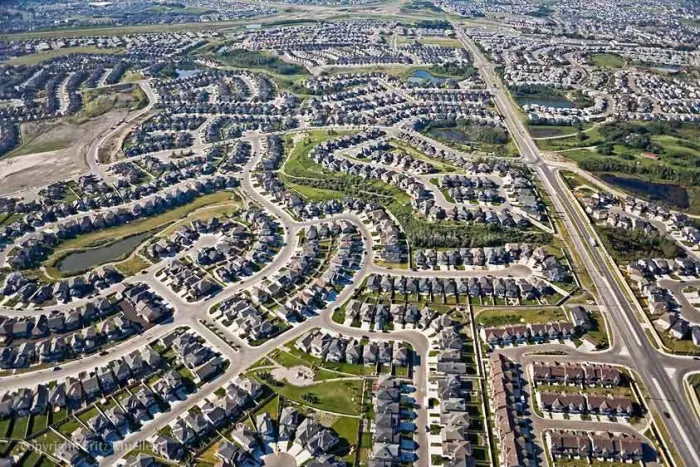
Many major cities around the world have experienced urban sprawl due to population growth and changing lifestyles. In the United States, cities such as Los Angeles, Phoenix, Houston, and Atlanta are commonly discussed examples of metropolitan areas that have expanded significantly beyond their original boundaries.
Los Angeles is often associated with urban sprawl because of its large suburban areas and heavy dependence on automobiles. The city’s development pattern created a widespread metropolitan region where many residents travel long distances between homes, workplaces, and services.
Phoenix has also experienced rapid suburban growth due to population increases and housing development in surrounding areas. Houston represents another example of outward expansion, where large amounts of available land have allowed the city to grow extensively. These examples demonstrate how geography, economics, and transportation influence urban development patterns.
Solutions to Urban Sprawl and Sustainable City Development
Reducing the negative effects of urban sprawl requires effective planning strategies focused on sustainability. One approach is smart growth, which encourages compact communities, mixed-use neighborhoods, and efficient use of existing urban spaces. These strategies help reduce unnecessary expansion while creating more connected communities.
Improving public transportation is another important solution to urban sprawl. Reliable buses, trains, and other transit systems can reduce dependence on private vehicles and make cities more accessible. Walkable neighborhoods with nearby schools, shops, and services can also reduce travel distances and improve quality of life.
Infill development and urban renewal provide additional ways to manage growth. Instead of expanding into undeveloped areas, cities can focus on improving existing neighborhoods and using available land more efficiently. These approaches support population growth while protecting natural areas and reducing environmental impacts.
Urban Sprawl Compared With Smart Growth
Urban sprawl and smart growth represent two different approaches to city development. Urban sprawl usually involves outward expansion with low-density communities, while smart growth focuses on compact development, efficient transportation, and sustainable land use.
Smart growth encourages neighborhoods where homes, businesses, and public services are located closer together. This approach can reduce traffic, support walking and cycling, and create stronger community connections. Urban sprawl, in contrast, often requires greater dependence on automobiles and larger infrastructure networks.
Many cities are now exploring smart growth strategies to create more sustainable futures. By combining housing development with environmental responsibility and efficient planning, communities can support population growth without creating unnecessary challenges.
Future of Urban Sprawl and Modern Urban Planning
The future of urban sprawl depends on how cities respond to population growth, environmental concerns, and changing lifestyles. Urban planners are increasingly focusing on creating communities that provide housing while protecting natural resources and improving transportation systems.
Technology, sustainable design, and innovative planning methods are shaping the future of city development. Green buildings, improved public transportation, and connected neighborhoods are becoming important parts of modern urban strategies. These approaches can help cities grow while reducing negative environmental and social effects.
Managing urban growth will remain a challenge for communities worldwide. The goal is to create cities that are efficient, sustainable, and comfortable for residents while balancing development needs with environmental protection.
Conclusion
Urban sprawl is a complex process that influences how cities develop, how people live, and how environments change. While it provides benefits such as additional housing and economic opportunities, it also creates challenges involving transportation, infrastructure, and environmental sustainability.
By understanding the causes and effects of urban sprawl, communities can develop better strategies for future growth. Sustainable planning methods, smart growth approaches, and improved transportation systems can help create cities that support both current populations and future generations.
FAQs
What is urban sprawl?
Urban sprawl is the outward expansion of cities into surrounding areas, usually through low-density development.
What causes urban sprawl?
Urban sprawl is caused by population growth, housing demand, cheaper land, transportation systems, and lifestyle choices.
Why is urban sprawl a problem?
Urban sprawl can increase traffic, pollution, infrastructure costs, and the loss of natural areas.
What cities are examples of urban sprawl?
Examples include Los Angeles, Phoenix, Houston, and Atlanta, which have experienced major suburban expansion.
How can urban sprawl be reduced?
Urban sprawl can be reduced through smart growth, better public transportation, compact development, and sustainable city planning.
You May Also Read: Letter E