

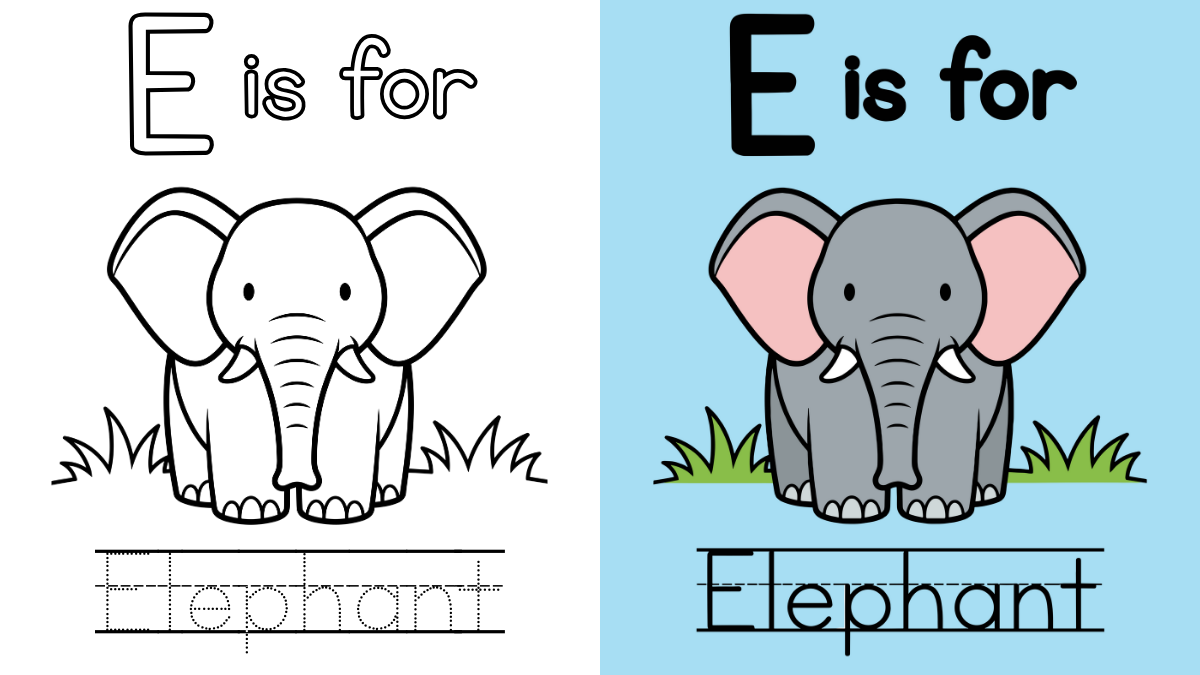
The letter E is one of the most important letters in the English alphabet and plays a major role in reading, writing, and communication. As the fifth letter of the alphabet and the second vowel, it appears in countless English words used in everyday conversations. From simple words learned by children to complex terms used in education, science, and technology, the letter E helps create meaningful language patterns.
Learning the letter E is an essential step for students, young readers, and anyone improving their English skills. This letter has unique pronunciation patterns, historical importance, and different uses depending on its position in a word. Understanding its sounds, writing style, and vocabulary examples can make language learning easier and more effective.
What Is the Letter E? Meaning and Basic Information
The letter E is the fifth letter of the modern English alphabet and one of the most commonly used vowel letters. It appears in both uppercase form as E and lowercase form as e. Like other vowels, the letter E helps form syllables and creates the sounds needed to pronounce words correctly.
The letter E is found in thousands of English words, including common examples such as earth, energy, education, and experience. Because of its frequent appearance, it is one of the first letters children learn when beginning alphabet education. Its importance goes beyond simple recognition because it helps learners understand spelling and pronunciation patterns.
The role of the letter E changes depending on where it appears in a word. It can create different sounds, influence nearby letters, or remain silent in certain situations. This flexibility makes the letter E an interesting and important part of English language learning.
History and Origin of the Letter E
The history of the letter E dates back thousands of years and connects to some of the earliest writing systems created by humans. Ancient civilizations developed symbols to represent sounds, and these symbols gradually changed into the alphabets used today. The letter E has evolved through several stages before becoming the familiar character used in modern English.
The letter E developed from ancient Semitic writing traditions and later became connected with the Greek letter Epsilon. As alphabets changed through different cultures, the shape and pronunciation of this letter continued to develop. Eventually, it became part of the Latin alphabet, which influenced the modern English alphabet.
Understanding the history of the letter E shows how language changes over time. A simple character used in everyday writing carries thousands of years of human communication, cultural development, and linguistic evolution.
Letter E Sound and Pronunciation Guide
The letter E has several different sounds in English, making pronunciation an important part of learning this vowel. One of the most common sounds is the short E sound, which appears in words such as egg, bed, and red. This sound is often introduced to beginners during early reading lessons.
The long E sound is another common pronunciation pattern. It can be heard in words such as tree, green, and these. In these examples, the letter E usually creates a stronger and longer vowel sound that helps readers identify word patterns more easily.
The letter E can also act as a silent letter in some words. For example, words like name and these use a final E that changes pronunciation without creating its own sound. Learning these different patterns helps students improve spelling, reading accuracy, and overall English understanding.
How to Write Letter E: Uppercase and Lowercase Practice
Writing the letter E correctly is an important skill for children learning handwriting. Uppercase E is created with one vertical line and three horizontal lines placed at the top, middle, and bottom. This simple structure makes it one of the easier capital letters for beginners to practice.
Lowercase e has a different shape and requires a curved writing movement. Students often practice lowercase e through tracing activities and handwriting exercises that help them develop better control. Repeated practice allows learners to recognize and write the letter naturally.
The letter E writing process is commonly included in preschool and elementary education programs. Teachers use worksheets, alphabet activities, and creative exercises to help students remember the shape and sound of this important letter.
Common Words That Start With Letter E
The letter E begins many common English words, making it an important letter for vocabulary development. Learning words that start with E helps children and English learners improve reading skills while expanding their understanding of everyday language.
Some examples of words beginning with the letter E include elephant, eagle, egg, engine, earth, energy, easy, and envelope. These words represent different categories, including animals, objects, places, and actions. Learning these examples helps students connect letters with real-world meanings.
The letter E also appears frequently in longer and more advanced vocabulary words. Terms related to education, environment, entertainment, and technology often contain this vowel. Recognizing the letter E in different words helps learners become stronger readers and writers.
Importance of Letter E in the English Language
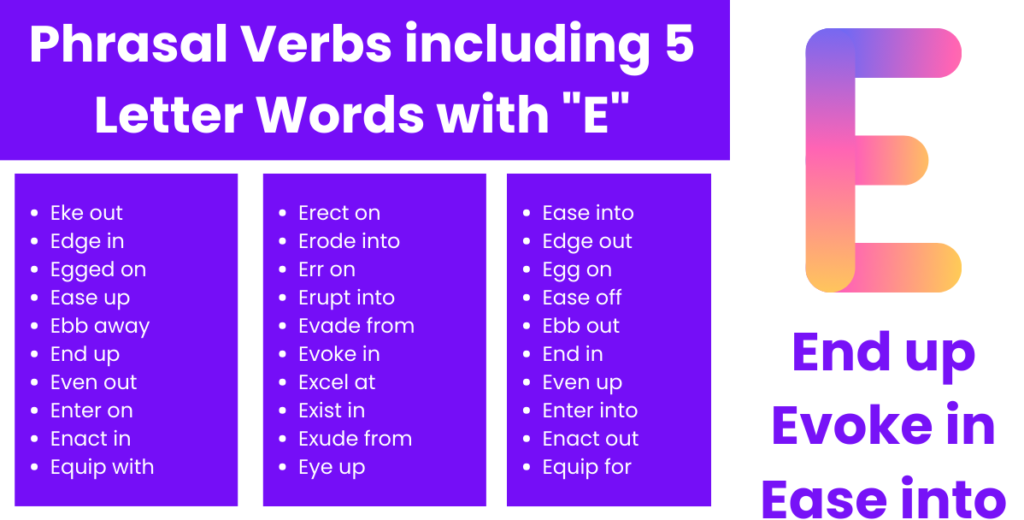
The letter E is considered one of the most important letters in English because of how often it appears in written communication. Many commonly used words contain this vowel, making it essential for reading comprehension and spelling development.
As a vowel, the letter E helps create the sounds that connect consonants together. Without vowels, many English words would be difficult to pronounce and understand. The different sounds produced by the letter E allow the language to have greater variety and flexibility.
For students, mastering the letter E creates a foundation for stronger literacy skills. Recognizing its sounds, shapes, and uses improves confidence in reading and writing while helping learners understand more complex language patterns.
Fun Learning Activities for Letter E
Learning the letter E can become more enjoyable through creative and interactive activities. Children can practice recognizing the letter through coloring exercises, alphabet games, tracing activities, and word-matching challenges. These methods help students remember the letter while developing important language skills.
Teachers and parents often use songs, flashcards, and picture-based activities to make learning the letter E more engaging. For example, children can identify pictures of objects beginning with E, such as elephants or eggs, while practicing pronunciation.
Interactive activities help learners build stronger connections between letters, sounds, and meanings. By combining education with creativity, students can develop a better understanding of the letter E and improve their overall alphabet knowledge.
Interesting Facts About the Letter E
The letter E has many interesting characteristics that make it unique among alphabet letters. It is the fifth letter of the English alphabet and one of the most frequently used letters in English writing. Its widespread use makes it a key part of communication.
One interesting fact about the letter E is that it can represent different sounds depending on its position in a word. It can create short sounds, long sounds, or remain silent, showing how flexible this simple letter can be.
The letter E is also used beyond basic vocabulary. It appears in names, scientific terms, mathematical expressions, technology-related words, and many other areas. This wide range of uses demonstrates its importance in everyday life.
Conclusion
The letter E is a fundamental part of the English alphabet and plays an important role in language development. From its ancient origins to its modern use, this letter has helped shape communication across generations. Its sounds, writing patterns, and vocabulary connections make it an essential topic for learners.
Understanding the letter E helps students improve reading, spelling, and pronunciation skills. Whether someone is learning the alphabet for the first time or improving English fluency, mastering this important vowel creates a stronger foundation for effective communication.
FAQs
What is the Letter E?
The letter E is the fifth letter of the English alphabet and one of the main vowel letters.
What sound does Letter E make?
The letter E can produce short, long, and silent sounds depending on its use in a word.
Why is Letter E important in English?
The letter E is important because it appears frequently in English words and helps create pronunciation patterns.
What are some words that start with Letter E?
Examples include elephant, egg, earth, engine, energy, and envelope.
How do you write uppercase and lowercase Letter E?
Uppercase E uses straight lines, while lowercase e is written with a curved shape.
You May Also Read: Sea Serpent