

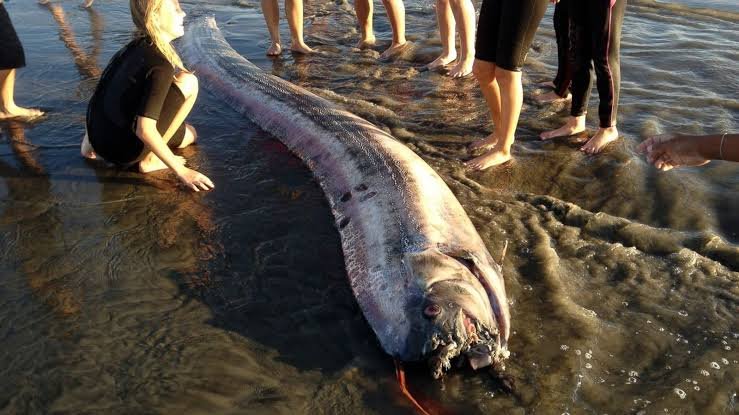
The sea serpent has remained one of the most fascinating mythical creatures throughout human history. For centuries, sailors, explorers, and storytellers have shared mysterious accounts of enormous snake-like creatures appearing in oceans around the world. These legends developed during a time when large parts of the sea were unexplored, creating endless possibilities about what might exist beneath the waves. The idea of a giant marine creature hiding in the deep ocean captured human imagination and became an important part of global folklore.
The fascination with the sea serpent continues because it exists between mythology and science. While traditional stories describe powerful ocean monsters capable of destroying ships, modern researchers have examined whether some sightings could have been caused by real marine animals. Creatures such as giant oarfish, squid, and unusual sea animals may have influenced ancient stories. This combination of mystery, history, and scientific curiosity keeps the sea serpent popular in books, films, and discussions about unexplored oceans.
What Is a Sea Serpent and How Did the Legend Begin?
A sea serpent is a legendary marine creature usually described as a massive snake-like animal living in oceans and seas. Ancient descriptions often portray these creatures as extremely long, powerful beings with the ability to move through deep waters and create fear among sailors. Different cultures created their own versions of sea serpents, with some describing them as dangerous monsters while others viewed them as powerful supernatural beings connected to the ocean.
The origins of the sea serpent legend can be traced back thousands of years through ancient myths, religious stories, and historical accounts. Early sailors traveled through unfamiliar waters and often encountered strange natural events or unknown animals. Without modern scientific knowledge, unusual sightings were sometimes explained through stories of giant creatures living beneath the ocean surface. These legends became an important part of maritime culture and influenced how people understood the mysterious world beyond the shoreline.
Sea Serpent Mythology Around the World
The sea serpent appears in the mythology of many civilizations, showing how different societies developed stories about powerful creatures connected with water. Ancient cultures often used these creatures to represent the strength, danger, and mystery of the oceans. Since the sea was unpredictable and difficult to explore, mythical creatures became symbols of the unknown forces that humans could not control.
In Norse mythology, Jörmungandr was one of the most famous sea serpent figures. This enormous serpent was believed to surround the world and play an important role in the stories of ancient Vikings. Greek mythology also included large sea creatures such as Cetus, which represented dangers associated with the ocean. Similar stories appeared in Mesopotamian traditions, where powerful water beings represented chaos and creation.
These legends demonstrate that the sea serpent was not limited to one region or culture. From Europe to Asia and the Middle East, people created stories about giant ocean creatures that reflected their beliefs, fears, and understanding of nature. The widespread appearance of these myths shows humanity’s long-lasting fascination with the mysteries of the sea.
Famous Sea Serpent Sightings and Historical Reports
Throughout history, many sailors and explorers have reported seeing giant serpentine creatures in the ocean. These accounts often described animals with long bodies, unusual movements, and appearances unlike anything commonly known at the time. Historical sea serpent reports became popular because they created excitement and encouraged people to believe that unknown creatures might still exist in unexplored waters.
One famous example is the HMS Daedalus sighting in the nineteenth century, where crew members claimed to have observed a large creature moving through the ocean. Another well-known story involves the Gloucester Sea Serpent reports, which attracted public attention and inspired discussions about mysterious marine life. These stories became part of popular culture and helped spread the legend of the sea serpent.
However, many researchers believe that some historical sightings may have resulted from mistaken observations. Distance, weather conditions, waves, and limited visibility could have changed how sailors interpreted what they saw. While these reports remain interesting historical records, they do not provide scientific proof of a mythical sea serpent.
Are Sea Serpents Real? Scientific Explanations Behind the Legends
The question of whether sea serpents actually exist continues to attract curiosity among researchers and enthusiasts. Scientists have not found evidence confirming the existence of the enormous mythical creatures described in legends. However, some real marine animals may have inspired stories about giant serpentine creatures appearing in the ocean.
One possible explanation is the giant oarfish, a long deep-sea fish that can grow to impressive sizes. When seen from a distance or partially above water, its unusual shape could appear similar to descriptions of a sea serpent. Other possible inspirations include giant squid, large sharks, and groups of marine animals moving together in ways that create unusual shapes.
The ocean remains one of the least explored environments on Earth, and new discoveries continue to surprise scientists. Although a mythical sea serpent has not been scientifically confirmed, real marine creatures demonstrate that the ocean still contains many fascinating mysteries. The connection between real animals and ancient legends helps explain why sea serpent stories have survived for so many generations.
Sea Serpent Appearance and Characteristics in Legends
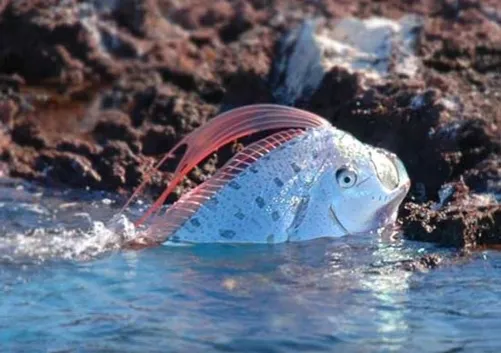
Descriptions of the sea serpent vary across cultures, but many legends share similar features. These creatures are commonly described as having extremely long bodies, snake-like shapes, large heads, and powerful movements through the water. Some stories claim that sea serpents were large enough to surround ships or create dangerous waves, making them symbols of oceanic danger.
Ancient artwork and written accounts often presented sea serpents as enormous creatures rising from the sea. These dramatic images helped shape the popular idea of giant ocean monsters and influenced later stories in literature and entertainment. The appearance of the sea serpent often reflected human fears about the unknown and the unpredictable nature of the ocean.
The characteristics of these creatures also reveal how humans used mythology to explain unexplained events. Before modern marine science, stories about sea serpents provided explanations for strange sightings and ocean mysteries. These legends became a way for societies to express curiosity and respect for the powerful forces of nature.
Sea Serpents in Literature, Movies, and Popular Culture
The sea serpent continues to influence modern entertainment through books, movies, video games, and fantasy stories. Writers and filmmakers often use these creatures because they represent adventure, mystery, and the possibility of discovering hidden worlds. The idea of a giant creature beneath the waves creates exciting stories that connect ancient legends with modern imagination.
In fantasy and adventure genres, sea serpents are often portrayed as powerful creatures guarding treasures, controlling oceans, or challenging heroes. Their appearance in popular culture has helped introduce these legends to new generations. Even people who do not believe in mythical creatures remain interested in the stories because they represent exploration and curiosity.
The lasting popularity of the sea serpent proves that ancient myths can continue influencing modern creativity. These legendary creatures remain valuable symbols in storytelling because they represent humanity’s desire to explore places that remain unknown.
Interesting Facts About the Sea Serpent
The sea serpent is one of the most recognized mythical creatures associated with the ocean. Stories about these creatures have appeared across different civilizations, proving that the mystery of the sea has inspired similar ideas among people around the world. Many legends describe sea serpents as enormous beings living in deep waters far away from human civilization.
One interesting fact about the sea serpent is that some historical sightings may have been influenced by real marine animals. The discovery of unusual deep-sea creatures has shown that the ocean contains many species that would have appeared mysterious to ancient sailors. This connection between science and mythology makes sea serpent stories even more fascinating.
Another important fact is that sea serpent legends continue to evolve. Modern stories often combine traditional folklore with scientific ideas, creating new interpretations of these mysterious creatures. Whether viewed as mythology or inspiration from real animals, sea serpents remain an important part of human culture.
Conclusion
The sea serpent remains one of the most captivating creatures in mythology, folklore, and popular culture. For centuries, these legendary ocean beings have represented mystery, danger, and the unknown challenges of exploring the deep sea. Stories from different civilizations show how humans have always been fascinated by what exists beyond their understanding.
Although science has not confirmed the existence of a mythical sea serpent, real marine animals and historical sightings continue to inspire curiosity. The connection between ancient legends and modern discoveries ensures that sea serpent stories will remain a fascinating topic for future generations.
FAQs
What is a sea serpent?
A sea serpent is a legendary snake-like ocean creature found in myths, folklore, and historical stories.
Are sea serpents real creatures?
There is no scientific proof of mythical sea serpents, but some legends may have been inspired by real marine animals.
What animals inspired sea serpent legends?
Giant oarfish, giant squid, and other large marine animals may have influenced some sea serpent stories.
What is the most famous sea serpent legend?
Jörmungandr from Norse mythology and famous historical sightings are among the best-known sea serpent legends.
Why are sea serpents popular in mythology?
Sea serpents represent mystery, exploration, and humanity’s fascination with the unknown depths of the ocean.
You May Also Read: Mount of Olives