

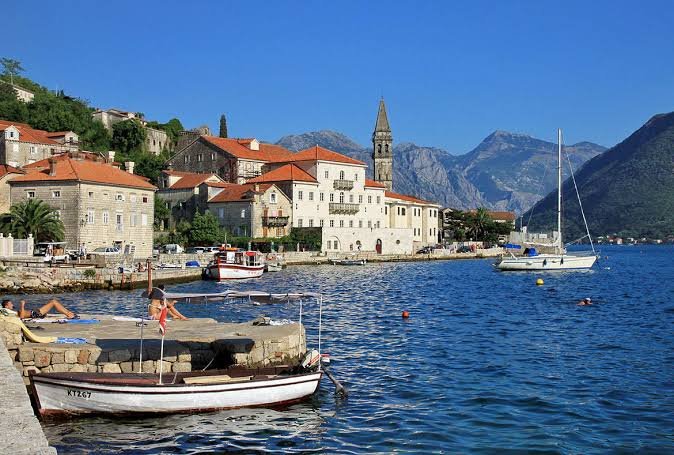
The Balkans is one of the most captivating regions in Europe, offering a remarkable blend of ancient history, cultural diversity, natural beauty, and unforgettable travel experiences. Located in southeastern Europe, this region has been a meeting point between different civilizations for thousands of years. From ancient Greek and Roman influences to Ottoman and European traditions, the Balkans represents a fascinating mixture of cultures that continues to shape the identity of the region today.
Many travelers are discovering the Balkans because it provides a unique alternative to traditional European destinations. The region offers beautiful coastlines, dramatic mountains, historic cities, traditional villages, and delicious cuisine at a more affordable cost compared with many Western European countries. Whether visitors are interested in history, adventure, nature, or local traditions, the Balkans provides countless opportunities to explore and experience something truly special.
What Are the Balkans? Understanding the Region and Its Meaning
The Balkans is a geographical and cultural region located in southeastern Europe. Although many people recognize the area as a distinct part of Europe, there is no universally accepted list of countries that officially make up the Balkans. Different definitions include countries based on geography, history, politics, and cultural connections. However, most descriptions focus on nations located around the Balkan Peninsula and surrounding areas.
The name “Balkan” comes from a Turkish word that means mountain or mountain chain. This name reflects the region’s impressive landscapes, which include mountain ranges, valleys, forests, and coastal areas. The Balkans has always been an important crossroads between Europe and Asia because of its location between several seas, including the Adriatic Sea, Aegean Sea, and Black Sea. This position has influenced its history, trade, and cultural development.
Balkan Countries: Complete List and Important Facts
The Balkan region includes several countries with different languages, traditions, and historical backgrounds. The countries most commonly considered part of the Balkans include Albania, Bosnia and Herzegovina, Bulgaria, Croatia, Greece, Kosovo, Montenegro, North Macedonia, Serbia, Slovenia, Romania, and parts of Turkey. Each country contributes unique landscapes, cultures, and experiences to the overall identity of the region.
Greece is known for ancient landmarks, islands, and Mediterranean culture, while Croatia attracts visitors with its beautiful coastline and historic cities. Serbia offers rich traditions and vibrant urban life, while Montenegro is famous for its mountains and coastal scenery. Albania has become increasingly popular for its beaches and natural beauty, and Bulgaria offers a combination of historic sites and mountain adventures. Together, these Balkan countries create one of Europe’s most diverse regions.
Balkans Map, Geography and Natural Landscapes
The geography of the Balkans is one of the main reasons the region attracts millions of visitors every year. The area contains a wide range of landscapes, including high mountains, deep forests, rivers, lakes, islands, and beautiful coastlines. The Balkan Mountains, Dinaric Alps, and other mountain systems create dramatic scenery that makes the region ideal for outdoor exploration and adventure.
The location of the Balkans between different seas has also shaped its natural environment. The Adriatic coastline features clear blue waters and historic coastal towns, while inland areas contain national parks, rivers, and peaceful countryside. The Danube River, one of Europe’s most important waterways, passes through parts of the region. These geographical features have influenced settlement patterns, traditions, and lifestyles throughout Balkan history.
History of the Balkans: Ancient Civilizations to Modern Times
The history of the Balkans is one of the most complex and fascinating stories in Europe. The region has been home to ancient civilizations, including the Greeks and Romans, who left behind important cultural and architectural influences. Later, the Byzantine Empire and Ottoman Empire shaped the region’s politics, religion, and traditions for centuries.
During the 20th century, the Balkans experienced major political changes, including conflicts, shifting borders, and the breakup of Yugoslavia. These events created challenges but also influenced the development of modern Balkan countries. Today, the region continues to preserve its historical landmarks, museums, and traditions while building modern societies connected with the wider European community.
Balkan Culture, Languages and Traditions
The culture of the Balkans is shaped by centuries of interaction between different civilizations. The region is famous for its music, festivals, traditional clothing, architecture, and local customs. Although Balkan countries have different identities, many communities share similarities in hospitality, family values, and traditional celebrations.
Languages spoken across the Balkans include Slavic languages, Greek, Albanian, Romanian, and others. Religious diversity has also played an important role in shaping the region’s culture, with Eastern Orthodox Christianity, Catholic Christianity, and Islam all having historical connections. This combination of languages, beliefs, and traditions makes the Balkans one of the most culturally diverse areas in Europe.
Best Places to Visit in the Balkans
The Balkans has become a popular travel destination because of its historic cities, natural wonders, and affordable experiences. Visitors can explore ancient ruins, relax on beautiful beaches, hike through mountains, and discover traditional villages. The region offers something for every type of traveler, from history enthusiasts to adventure seekers.
Croatia is one of the most famous destinations in the Balkans, with attractions such as Dubrovnik’s Old Town, Split, and Plitvice Lakes National Park. Greece attracts millions of visitors with Athens, ancient monuments, and island destinations. Montenegro offers the stunning Bay of Kotor, while Bosnia and Herzegovina is known for Mostar Bridge and Sarajevo’s cultural history. Other destinations such as Albania, Serbia, Bulgaria, and Slovenia provide unique experiences filled with nature and heritage.
Hidden Gems and Unique Experiences in the Balkans
Beyond famous tourist attractions, the Balkans is filled with hidden gems that provide authentic travel experiences. Small mountain villages, peaceful lakes, traditional towns, and remote natural areas allow visitors to discover a different side of Europe away from crowded tourist locations.
Travelers can enjoy local markets, traditional restaurants, hiking trails, and cultural festivals that showcase everyday Balkan life. Adventure activities such as rafting, mountain climbing, and exploring national parks are becoming increasingly popular. These lesser-known destinations highlight the beauty and diversity of the Balkans while allowing visitors to connect with local communities and traditions.
Food of the Balkans: Traditional Dishes You Must Try
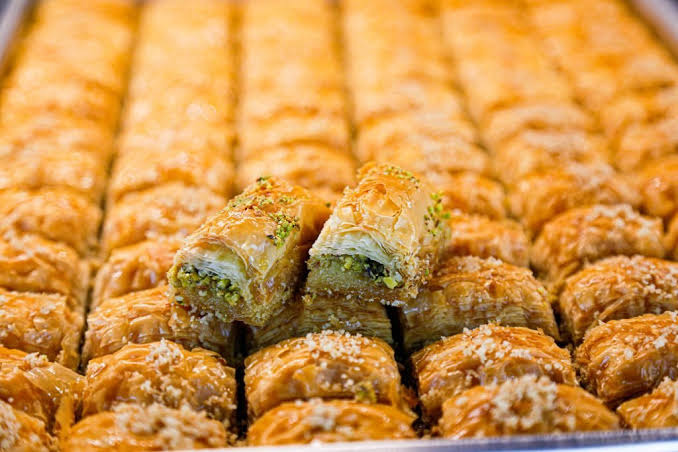
Balkan cuisine reflects the region’s long history and cultural influences. Traditional dishes combine flavors from Mediterranean, Ottoman, and Central European cooking styles. Food is an important part of Balkan identity, often bringing families and communities together during celebrations and gatherings.
Popular Balkan foods include cevapi, grilled meat dishes, burek, sarma, seafood, and sweet desserts such as baklava. Each country adds its own ingredients and cooking methods, creating a diverse culinary experience. Visitors traveling through the Balkans can discover different flavors while learning about the traditions and stories behind each meal.
Religion and Diversity in the Balkan Region
The Balkans is known for its religious and cultural diversity. Throughout history, different religions have influenced the region’s architecture, traditions, and communities. Historic churches, monasteries, and mosques can be found across many Balkan countries, showing the impact of different civilizations.
Eastern Orthodox Christianity, Catholic Christianity, and Islam are among the major religions practiced in the region. This diversity has created a unique cultural environment where different traditions exist alongside each other. Understanding the religious history of the Balkans helps visitors appreciate the region’s architecture, festivals, and social customs.
Economy, Lifestyle and Modern Balkan Countries
Modern Balkan countries are experiencing significant development through tourism, technology, business, and international connections. While many areas still preserve traditional lifestyles, major cities across the region are becoming modern centers with growing industries and cultural activities.
Tourism remains one of the most important economic sectors in many Balkan countries. Beautiful landscapes, historic attractions, and cultural experiences continue to attract international visitors. Daily life in the Balkans often combines modern conveniences with strong family traditions, local communities, and connections to history.
Why Visit the Balkans? Reasons Travelers Love This Region
The Balkans offers travelers a unique combination of affordability, beauty, history, and cultural experiences. Unlike some crowded European destinations, the region provides opportunities to discover authentic locations, interact with local communities, and explore landscapes that remain less developed.
Visitors can enjoy everything from Mediterranean beaches and historic cities to mountain adventures and traditional cuisine. The friendly atmosphere, diverse cultures, and incredible scenery make the Balkans an unforgettable destination. For travelers searching for a European experience filled with discovery and variety, the region remains one of the most exciting places to explore.
Conclusion
The Balkans is a region where history, culture, nature, and modern life come together in a unique way. Its ancient civilizations, diverse communities, beautiful landscapes, and traditional foods make it one of Europe’s most interesting destinations. Every country in the region offers something different, creating endless opportunities for exploration.
From historic cities and mountain landscapes to coastal towns and cultural traditions, the Balkans continues to inspire travelers from around the world. Its rich heritage and natural beauty ensure that this southeastern European region will remain a fascinating place for generations to come.
Frequently Asked Questions
What countries are considered part of the Balkans?
The countries commonly included in the Balkans are Albania, Bosnia and Herzegovina, Bulgaria, Croatia, Greece, Kosovo, Montenegro, North Macedonia, Serbia, Slovenia, Romania, and parts of Turkey.
Where are the Balkans located?The Balkans are located in southeastern Europe, surrounded by the Adriatic Sea, Aegean Sea, Black Sea, and Mediterranean region.
Why is the region called the Balkans?
The name Balkans comes from a Turkish word meaning mountain or mountain range, referring to the mountainous geography of the region.
What is the Balkans famous for?
The Balkans is famous for its history, cultural diversity, beautiful beaches, mountains, traditional food, and historic cities.
Are the Balkans safe for tourists?
Most Balkan countries are considered safe for tourists, with many popular destinations welcoming visitors from around the world.
What is the best time to visit the Balkans?
Spring and early autumn are usually considered excellent times to visit because of comfortable weather and fewer crowds.
What foods are popular in the Balkans?
Popular Balkan foods include cevapi, burek, sarma, grilled meats, seafood, and traditional desserts such as baklava.
How many countries are in the Balkans?
The number varies depending on the definition, but around 10 to 12 countries are commonly considered part of the Balkan region.
You May Also Read: Gobi Desert