

The Gobi Desert is one of the most extraordinary natural landscapes in the world, offering a unique combination of harsh climate, ancient history, rare wildlife, and fascinating geological features. Located across southern Mongolia and northern China, this massive desert region is known as one of Asia’s largest deserts. Unlike the popular image of deserts covered with endless golden sand, the Gobi Desert is mainly made up of rocky plains, gravel fields, mountains, and dry valleys. Its unusual environment has made it a place of discovery for explorers, scientists, and travelers.
For centuries, the Gobi Desert has played an important role in shaping the history and culture of Central Asia. The region was once part of important Silk Road routes where traders, travelers, and civilizations exchanged goods and ideas. Today, the desert continues to attract attention because of its dinosaur fossils, unique animals, traditional nomadic communities, and breathtaking scenery. From freezing winters to hot summers, the Gobi Desert represents the powerful relationship between nature, climate, and survival.
What Is the Gobi Desert? An Overview of Asia’s Vast Desert Region
The Gobi Desert is a large cold desert and semi-desert region located in Central Asia. It stretches across southern Mongolia and northern areas of China, covering an enormous area of approximately 1.3 million square kilometers. It is considered one of the largest deserts in the world and the largest desert region in Asia. The name “Gobi” comes from the Mongolian language and refers to a dry or waterless place, describing its limited rainfall and challenging environment.
Many people imagine deserts as places filled with sand dunes, but the Gobi Desert has a completely different appearance. Most of its surface is covered with rocky landscapes, hard soil, and gravel plains. Only a small portion contains large sand dunes. The desert includes different environments such as mountains, grasslands, valleys, and canyons, creating a diverse ecosystem where many plants, animals, and human communities survive despite difficult conditions.
Where Is the Gobi Desert Located? Map, Countries and Geography
The Gobi Desert is located in East and Central Asia, mainly spreading through southern Mongolia and northern China. Its vast territory covers several regions and provinces, creating a natural border between different landscapes and cultures. The desert is surrounded by important geographical features, including the Altai Mountains, Tibetan Plateau, and various grassland areas that influence its climate and environment.
The location of the Gobi Desert has made it historically significant. Ancient travelers and traders crossed this region while traveling along the Silk Road, connecting China with western civilizations. The desert’s position between different parts of Asia allowed cultural exchange and economic activities to develop over thousands of years. Today, maps of the Gobi Desert show a region filled with unique natural attractions, including famous fossil sites, national parks, and dramatic landscapes.
Gobi Desert Climate: Extreme Weather and Temperature Changes
The Gobi Desert has one of the most extreme climates found anywhere on Earth. It is classified as a cold desert because temperatures can become extremely low during winter months. Unlike hot deserts that remain warm throughout the year, the Gobi experiences freezing conditions, heavy winds, and significant temperature changes between seasons. Winter temperatures can fall far below freezing, while summer temperatures may become surprisingly hot during the day.
The climate of the Gobi Desert is influenced by its high elevation and distance from oceans. These factors reduce moisture and create dry conditions across the region. Rainfall is limited, and many areas receive very little precipitation each year. Despite these harsh conditions, plants and animals have developed special adaptations that allow them to survive. The extreme weather is one reason why the Gobi Desert remains one of the most fascinating natural environments on the planet.
Landscape and Natural Features of the Gobi Desert
The landscape of the Gobi Desert is far more diverse than many people expect. Instead of endless sand, visitors discover a world filled with rocky plains, colorful cliffs, mountain ranges, deep valleys, and unique geological formations. The desert’s changing scenery creates a beautiful combination of natural features that make it different from other deserts around the world.
Some of the most famous attractions in the Gobi Desert include the Khongor Sand Dunes, known for their impressive size and “singing” sounds created by moving sand. Another important location is the Flaming Cliffs of Bayanzag, where researchers discovered valuable dinosaur fossils. The Yolyn Am Ice Valley is also famous because it contains ice formations even during warmer months. These natural wonders make the desert a popular destination for adventure seekers and photographers.
Amazing Gobi Desert Wildlife and Ecosystem
Although the Gobi Desert appears empty and harsh, it supports a surprising variety of wildlife. Many animals living in this region have developed unique survival skills to handle extreme temperatures, limited water sources, and difficult terrain. The ecosystem of the Gobi shows how life can adapt to some of the toughest environments on Earth.
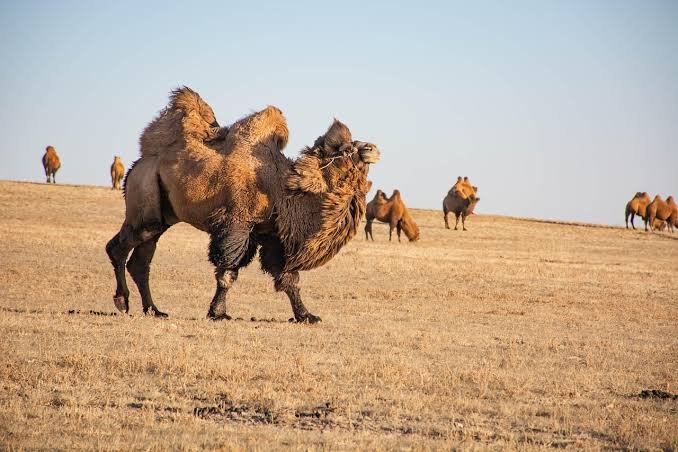
The Gobi Desert is home to several rare species, including wild Bactrian camels, snow leopards, Mongolian gazelles, wolves, and the endangered Gobi bear, also known as Mazaalai. These animals depend on the desert’s fragile ecosystem for food and shelter. Conservation projects are working to protect these species and preserve their natural habitats. The wildlife of the Gobi Desert proves that even the most challenging landscapes can support remarkable forms of life.
Gobi Desert History: Silk Road, Culture and Ancient Civilizations
The history of the Gobi Desert is deeply connected with ancient civilizations and trade networks. For thousands of years, parts of the desert were crossed by travelers using the Silk Road, one of history’s most important trade routes. Merchants carried valuable goods such as silk, spices, and precious materials through this challenging landscape, connecting different cultures across Asia.
The desert has also been home to Mongolian nomadic communities for generations. These communities developed lifestyles based on movement, livestock farming, and knowledge of the environment. Their traditions reflect a strong connection with nature and survival. The history of the Gobi Desert shows how humans have adapted to extreme conditions while maintaining cultural traditions that continue today.
Dinosaur Fossils and Paleontology Discoveries in the Gobi Desert
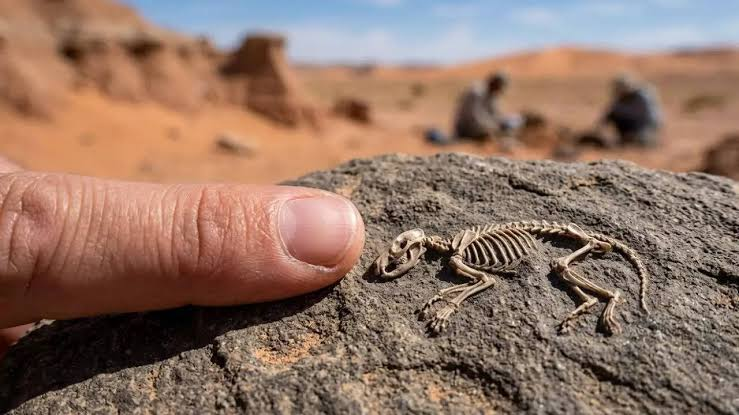
The Gobi Desert is considered one of the most important places in the world for dinosaur discoveries. Scientists have uncovered many fossils in this region, including dinosaur bones, eggs, and evidence of prehistoric life. The dry environment helped preserve these remains for millions of years, allowing researchers to learn more about ancient creatures that once lived on Earth.
The Flaming Cliffs of Bayanzag became famous after major fossil discoveries changed the understanding of dinosaurs. Scientists discovered some of the first recognized dinosaur eggs in this area, making the Gobi Desert an important destination for paleontologists. These discoveries continue to attract researchers who study the history of life and the evolution of prehistoric animals.
People Living in the Gobi Desert: Nomads and Modern Life
Living in the Gobi Desert requires adaptation, patience, and deep knowledge of nature. Many Mongolian nomadic families continue traditional lifestyles by moving with their livestock across the desert and surrounding grasslands. Animals such as camels, sheep, goats, and horses provide important resources for food, transportation, and daily life.
Traditional homes called gers, or yurts, are designed to handle the changing weather conditions of the desert. They can be moved easily and provide protection from strong winds and extreme temperatures. While modern technology, roads, and tourism have brought changes to the region, many people still maintain their traditional relationship with the Gobi Desert and its environment.
Best Places to Visit in the Gobi Desert
The Gobi Desert has become a popular destination for travelers seeking adventure, natural beauty, and cultural experiences. Visitors can explore wide-open landscapes, ancient fossil locations, wildlife areas, and traditional Mongolian communities. The desert provides opportunities for photography, hiking, camel riding, and learning about local traditions.
Some of the best places to visit include Gobi Gurvansaikhan National Park, Khongoryn Els Sand Dunes, Yolyn Am Ice Valley, and Bayanzag Flaming Cliffs. Each location offers a different experience, from dramatic landscapes to important historical discoveries. A journey through the Gobi Desert allows travelers to experience one of the world’s most unique and unforgettable environments.
Interesting Facts About the Gobi Desert
The Gobi Desert is filled with fascinating facts that make it different from other deserts. It is one of the largest deserts in Asia and one of the world’s most famous cold deserts. Its landscape is mostly rocky rather than sandy, which surprises many visitors who expect traditional desert scenery.
The Gobi Desert is also famous for its dinosaur fossils, ancient trade routes, rare animals, and extreme weather conditions. It is a place where science, history, and nature come together. These unique features continue to make the desert an important subject for researchers, travelers, and geography enthusiasts around the world.
Threats Facing the Gobi Desert and Environmental Changes
The Gobi Desert faces several environmental challenges that threaten its delicate ecosystem. Climate change, increasing temperatures, desertification, and human activities such as mining can affect wildlife habitats and natural resources. These challenges create difficulties for both animals and local communities that depend on the desert environment.
Protecting the Gobi Desert requires conservation efforts focused on preserving wildlife, reducing environmental damage, and supporting sustainable development. The region contains valuable natural resources, scientific discoveries, and cultural heritage. Protecting this incredible landscape ensures that future generations can continue to explore and appreciate its beauty.
Conclusion
The Gobi Desert is much more than a dry and empty landscape. It is a place filled with natural beauty, ancient history, rare wildlife, and scientific discoveries. From its rocky plains and extreme climate to its dinosaur fossils and traditional communities, the desert tells a powerful story about survival and adaptation.
Exploring the Gobi Desert provides a deeper understanding of Earth’s natural wonders and the importance of protecting fragile environments. Its unique combination of geography, culture, and wildlife makes it one of the most remarkable regions on the planet. The secrets of the Gobi continue to inspire curiosity and adventure among people around the world.
Frequently Asked Questions
Where is the Gobi Desert located?
The Gobi Desert is located in Central Asia, mainly across southern Mongolia and northern China. It covers a large area with mountains, rocky plains, and desert landscapes.
Why is the Gobi Desert called a cold desert?
The Gobi Desert is called a cold desert because it experiences freezing winters, low rainfall, and large temperature changes between seasons.
Is the Gobi Desert the largest desert in the world?
No, the Gobi Desert is not the largest desert in the world, but it is one of the largest deserts in Asia and one of the most famous cold deserts.
What animals live in the Gobi Desert?
The Gobi Desert is home to Bactrian camels, snow leopards, Gobi bears, gazelles, wolves, and many other specially adapted species.
Why is the Gobi Desert famous for dinosaur fossils?
The dry conditions of the Gobi Desert helped preserve dinosaur bones and eggs for millions of years, making it one of the world’s best fossil locations.
Can tourists visit the Gobi Desert?
Yes, tourists can visit the Gobi Desert through guided tours and explore attractions such as sand dunes, fossil sites, national parks, and cultural locations.
You May Also Read: Yakutsk