

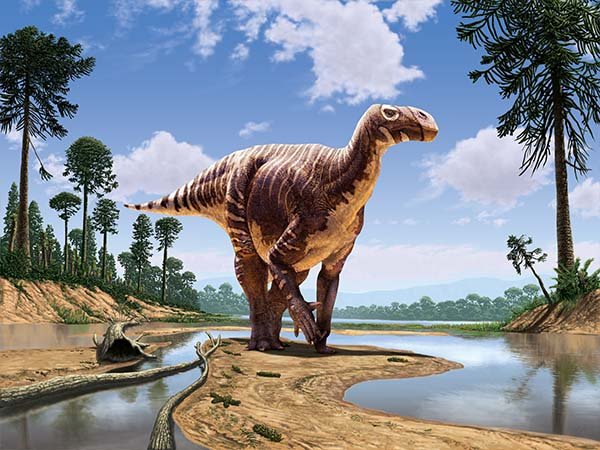
The Iguanodon is one of the most important dinosaurs in the history of paleontology. This large plant-eating dinosaur helped scientists understand more about prehistoric animals and became one of the first dinosaurs to be scientifically studied. Living millions of years ago, the Iguanodon had a unique body structure, powerful jaws, and a famous thumb spike that made it different from many other dinosaurs. Its fossils continue to provide important information about dinosaur evolution, behavior, and survival.
Many dinosaur discoveries have changed how humans understand ancient life, but the Iguanodon holds a special place because it was discovered during the early years of dinosaur research. Its fossils helped researchers create new ideas about prehistoric creatures and showed that dinosaurs were diverse animals with different diets, body shapes, and lifestyles. Today, the Iguanodon remains one of the most recognized herbivorous dinosaurs among scientists and dinosaur enthusiasts.
What Is an Iguanodon Dinosaur?
The Iguanodon was a large herbivorous dinosaur that belonged to the ornithopod group. It lived during the Late Jurassic and Early Cretaceous periods and was known for its strong body, plant-based diet, and unusual physical features. The name Iguanodon means “iguana tooth” because early scientists noticed that its teeth had similarities with the teeth of modern iguanas. However, the dinosaur itself was much larger and had a completely different lifestyle.
Unlike meat-eating dinosaurs that depended on sharp claws and teeth, the Iguanodon survived by eating plants and using its specialized teeth to process vegetation. It had a strong jaw system that allowed it to chew plant material effectively. This adaptation helped the Iguanodon survive in environments where forests and plant life were common during the prehistoric period.
Discovery and History of Iguanodon Fossils
The discovery of the Iguanodon was a major moment in the history of science. Fossilized teeth belonging to this dinosaur were discovered in England in the early 1800s. Scientists studied these remains and officially named the Iguanodon in 1825. It became one of the first dinosaurs to receive a scientific description, helping establish the field of dinosaur research.
Early reconstructions of the Iguanodon were not completely accurate because scientists had limited fossil evidence at that time. Some early models showed the dinosaur with a horn-like structure on its nose, but later discoveries revealed that this feature was actually a thumb spike. As more fossils were found, researchers developed a clearer understanding of its appearance and behavior.
Iguanodon Size and Physical Appearance
The Iguanodon was a large dinosaur that could reach impressive sizes compared with many other herbivorous dinosaurs. It could grow around 30 feet long and weigh several tons. Its body had a strong frame, a long tail, powerful legs, and a large head designed for eating plants. Its physical structure allowed it to move through different environments while searching for food.
One of the most famous features of the Iguanodon was its thumb spike. Scientists believe this sharp spike may have been used for defense against predators or possibly for protection during conflicts with other dinosaurs. The dinosaur also had flexible hands and strong limbs, allowing it to move on both two legs and four legs depending on the situation.
Iguanodon Diet and Feeding Habits
The Iguanodon was a herbivore that mainly survived by eating plants. Its diet likely included leaves, branches, and other vegetation available in its environment. Unlike many modern plant-eating animals, the Iguanodon did not simply swallow plants. It had teeth designed to break down plant material, making it easier to digest tougher vegetation.
Scientists study the feeding habits of the Iguanodon by examining fossilized teeth and jaw structures. These studies show that the dinosaur had strong chewing abilities and was adapted to a plant-rich environment. Its ability to process different types of vegetation helped it survive in changing habitats where food sources could vary throughout the year.
Iguanodon Habitat and Living Environment
The Iguanodon lived in regions that are now parts of Europe and other areas where fossils have been discovered. During its lifetime, the Earth had different climates and landscapes compared with today. Forests, wetlands, and open areas provided the plants and resources needed for large herbivorous dinosaurs to survive.
The habitat of the Iguanodon was home to many other prehistoric creatures. It shared its environment with different dinosaur species, predators, and ancient animals. Studying these ecosystems helps scientists understand how the Iguanodon interacted with its surroundings and how large plant-eating dinosaurs adapted to the challenges of prehistoric life.
Iguanodon Behavior and Survival Skills
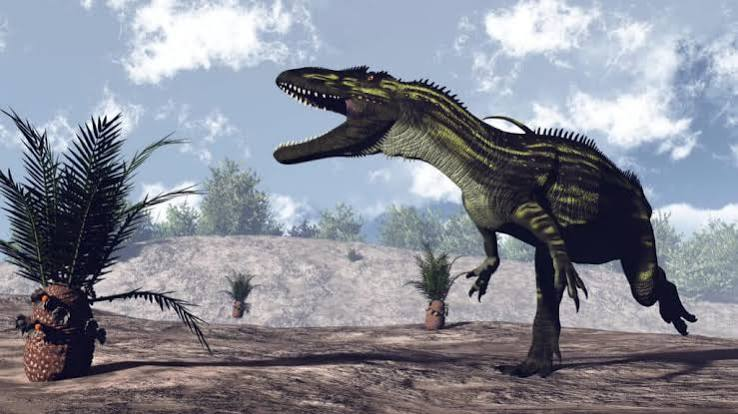
Scientists believe the Iguanodon had several adaptations that helped it survive in a dangerous prehistoric world. Its large size provided protection from many smaller predators, while its strong legs allowed it to move quickly when necessary. The thumb spike was another important feature that may have helped the dinosaur defend itself from threats.
The movement style of the Iguanodon was also interesting to researchers. Evidence suggests that it could walk on four legs while feeding and use two legs for faster movement or reaching higher plants. This flexibility gave the dinosaur an advantage when searching for food and avoiding danger in different environments.
Iguanodon Extinction and Importance in Science
Like many dinosaur species, the Iguanodon eventually disappeared from Earth. Changes in climate, environmental conditions, and ecosystem shifts affected many prehistoric animals over millions of years. Although the exact reasons for its extinction are still studied, its fossils remain valuable evidence for understanding dinosaur history.
The importance of the Iguanodon goes beyond its physical features. It played a major role in early dinosaur research and helped scientists develop methods for studying fossils. Because of this dinosaur, researchers gained more knowledge about prehistoric life, dinosaur classification, and how these incredible animals evolved over time.
Interesting Facts About Iguanodon
The Iguanodon has many interesting facts that make it one of the most popular dinosaurs in the world. It was among the first dinosaurs discovered and studied by scientists, along with other early discoveries that helped create modern paleontology. Its name, unusual thumb spike, and large size make it easy to identify among other prehistoric creatures.
Another fascinating fact about the Iguanodon is that scientific understanding of this dinosaur has changed over time. As new fossils were discovered and technology improved, scientists updated their ideas about its appearance and behavior. This shows how scientific knowledge continues to grow through research and new evidence.
Conclusion
The Iguanodon is a remarkable dinosaur that changed the way people understand prehistoric life. From its discovery in the early 1800s to modern scientific studies, this plant-eating dinosaur has remained an important part of dinosaur history. Its large body, unique thumb spike, and specialized feeding abilities show how dinosaurs developed different features to survive in ancient environments.
Learning about the Iguanodon helps us understand the diversity of dinosaurs and the challenges they faced millions of years ago. Its fossils continue to inspire scientists, students, and dinosaur lovers around the world. As research continues, new discoveries may reveal even more secrets about this fascinating prehistoric giant.
FAQs
What is an Iguanodon?
The Iguanodon is a large herbivorous dinosaur known for its plant-based diet, strong body, and unique thumb spike. It lived during the Late Jurassic and Early Cretaceous periods.
How large was an Iguanodon dinosaur?
The Iguanodon could grow around 30 feet long and weigh several tons, making it one of the larger plant-eating dinosaurs of its time.
What did Iguanodon eat?
The Iguanodon mainly ate plants, including leaves and other vegetation. Its teeth helped it chew and process different types of plant material.
Why did Iguanodon have a thumb spike?
Scientists believe the thumb spike may have helped the Iguanodon defend itself from predators or protect itself during interactions with other dinosaurs.
Where were Iguanodon fossils found?
Many Iguanodon fossils were discovered in Europe, especially in areas that are now part of England and nearby regions.
Was Iguanodon a dangerous dinosaur?
The Iguanodon was not a predator, but its large size and thumb spike may have helped it protect itself from threats.
You May Also Read: Nice France Map