

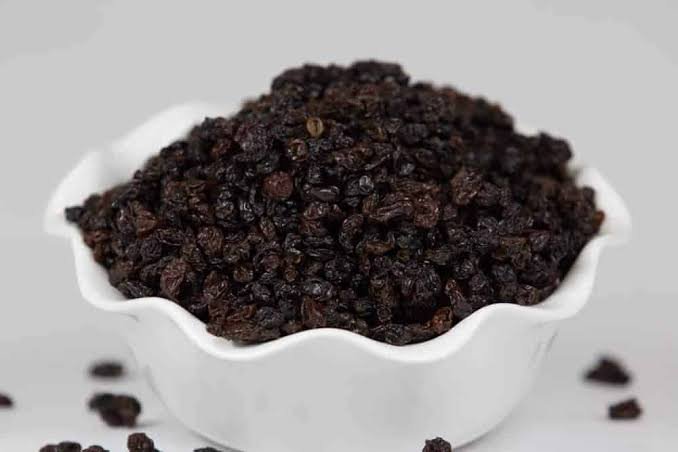
Zante currants are small, dark dried grapes that come from the Black Corinth grape variety. Many people mistake them for real currant berries because of their name, but they are actually a special type of raisin. These tiny dried fruits are known for their deep color, sweet flavor, slightly tart taste, and soft texture. They are widely used in baking, cooking, and traditional recipes because they add natural sweetness and a rich fruity flavor without overpowering other ingredients.
The name Zante currants comes from the Greek island of Zakynthos, which was historically an important area for growing and exporting these grapes. Unlike regular raisins made from larger grapes, these dried grapes are much smaller and have a unique appearance. Their size makes them especially useful in recipes where an even distribution of fruit is needed, such as cookies, breads, pastries, and desserts.
History and Origin of Zante Currants
The history of Zante currants is closely connected with Greece and the Mediterranean region. These small grapes have been cultivated for centuries and were once an important agricultural product traded throughout Europe. The dried grapes became popular because they could be stored for long periods and transported easily, making them valuable for merchants and households.
The term Corinth raisins or Corinthian raisins is also commonly associated with Zante currants because of their historical connection to the Corinth region of Greece. Over time, production expanded beyond Greece, with countries such as the United States developing their own cultivation methods. Today, these dried grapes remain a popular ingredient in kitchens around the world.
Zante Currants Nutrition Facts
Zante currants contain several important nutrients that make them a useful addition to a balanced diet. Because they are dried, the nutrients become more concentrated compared with fresh grapes. They provide natural carbohydrates, dietary fiber, and small amounts of essential minerals that support overall health. They are naturally low in fat and contain no cholesterol, making them a convenient option for many eating patterns.
A typical serving of Zante currants contains calories mainly from natural sugars and carbohydrates. They also provide nutrients such as potassium, iron, and calcium. The fiber content may support digestion and help promote fullness when consumed in reasonable portions. However, because dried fruits have concentrated sugars, portion control is important, especially for people monitoring their daily sugar intake.
Health Benefits of Zante Currants
Zante currants can offer several potential health benefits when included as part of a balanced diet. Their dietary fiber content supports digestive health by helping maintain regular bowel movements and supporting a healthy digestive system. Fiber-rich foods can also help people feel satisfied after eating, which may support better eating habits.
These dried grapes also contain plant compounds and antioxidants that help protect the body from oxidative stress. Antioxidants are important because they help reduce the impact of free radicals that can affect cells. Additionally, the natural carbohydrates in Zante currants provide a quick source of energy, making them a useful ingredient for active lifestyles and energy-focused meals.
Zante Currants vs Raisins and Black Currants
Although their names sound similar, Zante currants, raisins, and black currants are different foods. Zante currants are made from Black Corinth grapes, which are naturally small and seedless. Regular raisins are usually made from larger grape varieties and often have a bigger size, softer texture, and different flavor profile.
Black currants are completely separate from Zante currants because they are berries from the Ribes plant family. They have a stronger tart flavor and are often used in juices, jams, and supplements. Understanding these differences helps consumers choose the right ingredient for recipes and prevents confusion when shopping for dried fruits.
How Zante Currants Are Used in Cooking and Baking
Zante currants are highly popular in baking because of their small size and concentrated flavor. They are commonly added to cookies, scones, muffins, fruitcakes, and sweet breads. Bakers often choose them because they mix evenly into dough and provide small bursts of sweetness throughout the recipe. Their slightly tangy taste also balances rich ingredients like butter, cream, and chocolate.
Beyond desserts, Zante currants can be used in many savory dishes. They can add sweetness to salads, rice dishes, sauces, stuffing, and grain-based meals. Many Mediterranean and European recipes use these dried grapes to create a balance between sweet and savory flavors. They can also be mixed with nuts, spices, and grains for nutritious breakfast bowls or snack combinations.
How to Choose and Store Zante Currants
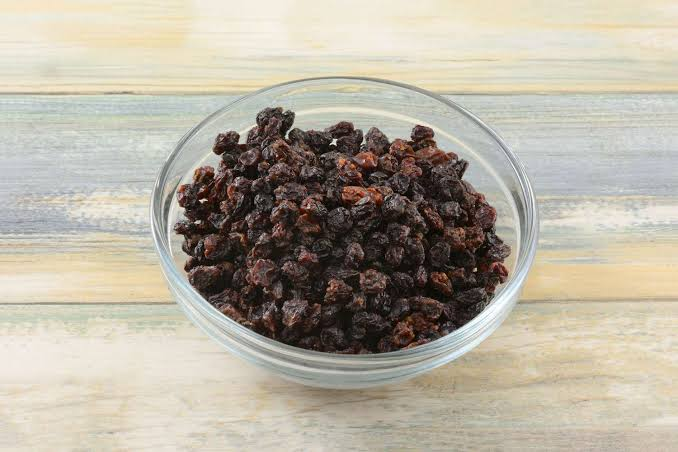
When purchasing Zante currants, it is important to check the quality and ingredients listed on the package. Good-quality products usually contain only dried grapes without unnecessary additives. Some varieties may include added sugar or preservatives, so reading the label helps you choose a product that matches your dietary preferences.
Proper storage helps maintain the freshness and flavor of Zante currants. They should be kept in an airtight container away from heat, moisture, and direct sunlight. When stored correctly, they can last for several months. Refrigeration can extend their shelf life, especially in warm environments. Before adding them to recipes, some cooks soak them in water or juice to restore softness.
Are Zante Currants Healthy for Everyone?
Zante currants can be a healthy food choice for many people because they provide natural sweetness, fiber, and useful nutrients. They are an easy way to add fruit-based flavor to meals without relying on artificial sweeteners. They work well in homemade snacks, baked goods, and breakfast recipes when used in appropriate amounts.
However, dried fruits should be enjoyed in moderation because they contain more sugar and calories in a smaller portion than fresh fruit. People who need to manage blood sugar levels should consider serving sizes carefully. As with any food, balance is important. Including Zante currants alongside vegetables, proteins, whole grains, and other nutritious foods can support a healthy eating pattern.
Conclusion
Zante currants are more than just a baking ingredient. These tiny dried grapes have a fascinating history, unique flavor, and impressive versatility in cooking. Made from Black Corinth grapes, they provide natural sweetness, fiber, minerals, and antioxidants that make them a valuable addition to many recipes.
Whether added to traditional desserts, breakfast meals, salads, or savory dishes, Zante currants bring a distinctive taste and texture. Their long history and worldwide popularity show why they remain a favorite dried fruit choice. By selecting quality products and enjoying them in moderation, they can be a delicious part of a balanced lifestyle.
FAQs
Are Zante currants the same as raisins?
Yes, Zante currants are a type of raisin made from small Black Corinth grapes, but they are much smaller than common raisins.
What are Zante currants made from?
Zante currants are made from dried Black Corinth grapes, which are naturally small, seedless, and sweet.
Are Zante currants good for health?
Yes, they provide fiber, minerals, and antioxidants, but they should be eaten in moderation due to their concentrated natural sugar content.
What is the difference between Zante currants and black currants?
Zante currants are dried grapes, while black currants are true berries from the Ribes plant family.
How are Zante currants used in recipes?
They are commonly used in cookies, cakes, breads, salads, rice dishes, sauces, and breakfast recipes.
You May Also Read: Benoni RPA