

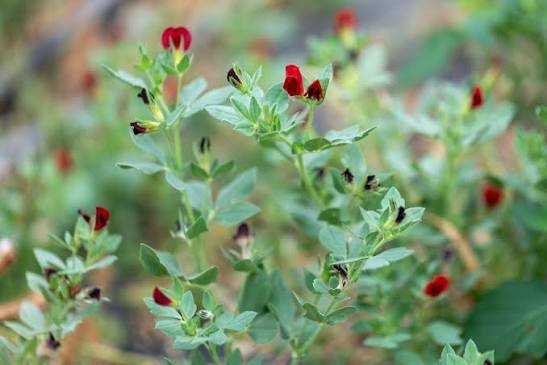
Winged pea is an unusual and attractive edible legume that has gained attention among gardeners, plant enthusiasts, and people interested in unique vegetables. The plant is best known for its four-winged pods, bright flowers, and fresh flavour that resembles a combination of young peas and asparagus. Also called asparagus pea, this plant belongs to the legume family and is traditionally grown in Mediterranean regions. Its distinctive appearance and edible pods make it an interesting choice for home gardens and specialty vegetable growers.
Unlike common garden peas, winged pea produces pods with raised edges that create a unique wing-like shape. The plant grows close to the ground and develops colourful flowers before producing tender pods. Many gardeners appreciate this plant because it offers both decorative beauty and practical food value. Understanding its characteristics, growing requirements, and uses can help beginners successfully add this uncommon vegetable to their garden.
Winged Pea Plant Profile and Important Facts
Winged pea, scientifically known as Lotus tetragonolobus, is an annual herbaceous plant from the Fabaceae family. It has a compact growing habit, usually spreading along the ground rather than climbing like many other legumes. The plant produces soft green foliage, attractive red or crimson flowers, and small edible pods that are harvested when young. Its unusual structure makes it easy to identify compared with traditional pea varieties.
The plant is valued not only for its appearance but also for its role as an edible garden crop. Young pods are the main part consumed and are preferred because they remain tender and flavorful. Like other legumes, winged pea can contribute to sustainable gardening because legume plants naturally interact with soil nutrients. This combination of beauty, food value, and environmental benefits makes it an appealing choice for gardeners looking for uncommon crops.
Winged Pea vs Winged Bean: Understanding the Difference
Many people confuse winged pea with winged bean because both plants have similar names and produce distinctive wing-shaped pods. However, they are completely different species with different growing habits. Winged pea usually refers to Lotus tetragonolobus, also known as asparagus pea, while winged bean refers to Psophocarpus tetragonolobus, a tropical climbing plant commonly grown in Southeast Asia.
The biggest difference between the two plants is their size and climate preference. Winged pea is a smaller Mediterranean plant that grows close to the ground, while winged bean is a vigorous vine that requires support to climb. Winged bean also has more edible parts, including leaves, flowers, seeds, and tubers. Knowing these differences helps gardeners choose the correct plant based on their location and gardening goals.
How to Grow Winged Pea in Your Garden
Growing winged pea can be a rewarding experience for beginners and experienced gardeners. The plant performs best in warm weather and requires a location that receives plenty of direct sunlight throughout the day. Choosing a sunny garden area with fertile, well-draining soil creates the ideal environment for healthy growth. Before planting, gardeners can improve soil quality by adding compost or organic matter to increase nutrients and moisture retention.
Seeds should generally be planted after the danger of frost has passed because winged pea prefers warmer temperatures. The seeds should be placed in prepared soil with enough space between plants to allow proper air circulation. Regular watering helps young plants establish strong roots, but gardeners should avoid excessive moisture because waterlogged soil may affect plant health. With suitable conditions, the plant can grow steadily and produce fresh pods.
Winged Pea Growing Stages and Harvesting Guide
The growth cycle of winged pea begins with seed germination, followed by leaf development, flowering, and pod production. During the early stages, the plant focuses on building a healthy root system and developing strong foliage. As it matures, small colourful flowers appear, creating an attractive display before the edible pods begin forming.
Harvesting winged pea at the right time is important because young pods provide the best flavour and texture. The pods should be collected when they are still tender and small. If left on the plant too long, they may become tough and less enjoyable to eat. Regular harvesting can encourage continued pod production and allows gardeners to enjoy fresh vegetables throughout the growing season.
How Does Winged Pea Taste and How Is It Used?
Winged pea has a mild, fresh taste that many people describe as similar to asparagus combined with young green peas. The texture of the tender pods is crisp and slightly crunchy, making them suitable for different cooking methods. Because of its unique flavour profile, this vegetable can add variety to everyday meals and introduce gardeners to a lesser-known edible plant.
The pods can be cooked in several ways, including steaming, boiling, roasting, and stir-frying. They can also be added to salads, vegetable mixes, and side dishes. Some people enjoy preparing winged pea with simple seasonings to highlight its natural flavour. Beyond cooking, the plant is also appreciated as an ornamental garden addition because of its attractive flowers and unusual pod shape.
Winged Pea Nutrition and Potential Health Benefits
Winged pea can be a nutritious addition to a balanced diet because it provides plant-based nutrients commonly found in vegetables and legumes. Like many legume crops, it contains dietary fibre and other important components that support overall nutritional variety. Including different vegetables in meals can help people maintain a diverse and healthy eating pattern.
The plant may also support sustainable home gardening practices because legumes play an important role in natural soil improvement. Growing winged pea allows gardeners to enjoy fresh produce while exploring environmentally friendly planting options. Although it should not be considered a replacement for medical treatments, adding nutrient-rich vegetables to meals can contribute to a healthier lifestyle.
Common Problems When Growing Winged Pea
Although winged pea is relatively easy to grow, gardeners may face some common challenges during cultivation. Poor seed germination can happen if the soil temperature is too low or if seeds are planted in unsuitable conditions. Preparing the soil properly and choosing the correct planting season can improve the chances of successful growth.
Other issues may include yellow leaves, slow development, or tough pods. These problems are often related to watering mistakes, nutrient shortages, or harvesting too late. Monitoring plant health regularly helps gardeners identify problems early. Providing enough sunlight, maintaining balanced soil moisture, and collecting pods at the correct stage can help produce healthier plants.
Tips for Growing Healthy Winged Pea Plants
Successful winged pea cultivation depends on simple but consistent gardening practices. Selecting high-quality seeds, planting in warm conditions, and choosing a sunny location are some of the most important steps. Gardeners should also maintain proper spacing between plants to improve airflow and reduce the chance of plant problems.
Regular care throughout the growing season can lead to better results. Keeping weeds under control, watering correctly, and harvesting pods frequently can encourage stronger plant performance. Whether grown in a backyard garden, raised bed, or suitable container, winged pea can provide an enjoyable gardening experience for people interested in unusual vegetables.
Conclusion
Winged pea is a fascinating plant that combines unique appearance, culinary potential, and gardening value. Its four-winged pods, attractive flowers, and mild flavour make it different from many common vegetables found in home gardens. For gardeners searching for something new, this plant offers an opportunity to grow and enjoy a lesser-known edible crop.
With proper sunlight, suitable soil, and regular maintenance, winged pea can become a productive addition to a vegetable garden. Whether you want to explore new flavours, grow unusual plants, or create a more diverse garden, this vegetable provides both visual appeal and practical benefits. Its combination of simplicity and uniqueness makes it a worthwhile plant to discover.
Frequently Asked Questions About Winged Pea
What is winged pea?
Winged pea is an edible legume, also known as asparagus pea, that produces unique four-winged pods with a mild pea-like flavour.
Can you eat winged pea pods?
Yes, young winged pea pods are edible and can be cooked by steaming, stir-frying, boiling, or adding them to salads.
How do you grow winged pea?
Winged pea grows best in warm climates with full sunlight, well-drained soil, and regular watering during the growing season.
What does winged pea taste like?
Winged pea has a fresh, slightly sweet taste similar to young peas with a mild asparagus-like flavour and crisp texture.
Is winged pea the same as winged bean?
No, winged pea and winged bean are different plants. Winged pea is a small Mediterranean plant, while winged bean is a tropical climbing vegetable.
You May Also Read: Alexander Gotsmanov