

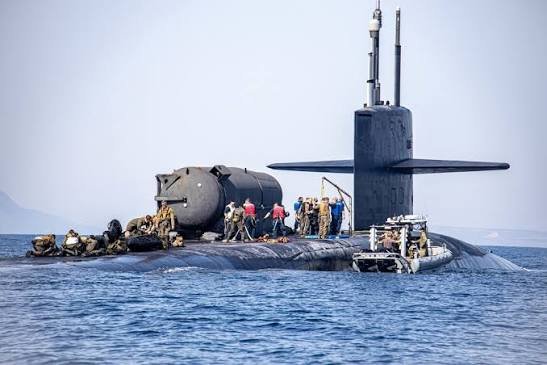
The USS Georgia (SSGN-729) is one of the most powerful guided missile submarines in the United States Navy. This Ohio-class submarine represents a major step in underwater warfare technology because it combines nuclear-powered endurance, advanced weapons systems, and the ability to support multiple military missions. Originally designed as a ballistic missile submarine, the vessel was later transformed into an SSGN platform capable of carrying cruise missiles and supporting special operations forces.
The USS Georgia has an important place in modern naval strategy because it provides the Navy with a hidden and flexible strike capability. Unlike traditional surface ships, this submarine can operate beneath the ocean for extended periods while remaining difficult to detect. Its advanced design allows it to perform missions involving precision attacks, intelligence gathering, and support operations across different regions of the world.
History and Development of USS Georgia
The history of USS Georgia began during the development of the Ohio-class submarine program, which was created to strengthen the United States’ nuclear deterrence capabilities. The submarine was originally built as a ballistic missile submarine, known as an SSBN, with the primary purpose of carrying submarine-launched ballistic missiles. These submarines played a major role in maintaining a strategic balance during the Cold War period.
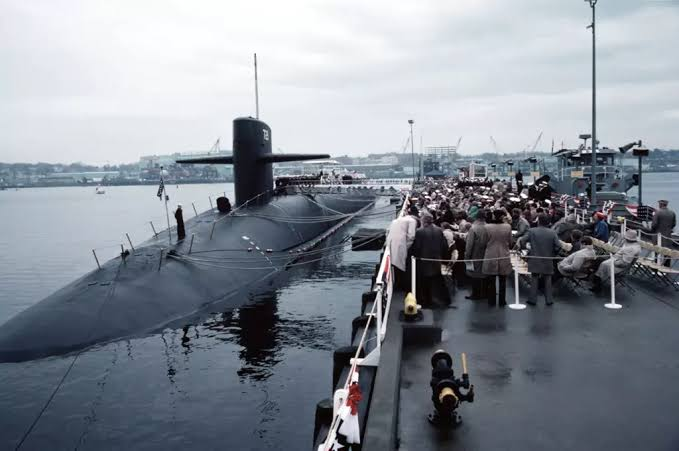
The USS Georgia was commissioned into the US Navy in 1984 and served for many years as part of America’s strategic submarine force. As defense requirements changed, the Navy developed a plan to convert several Ohio-class submarines into guided missile submarines. This conversion allowed older submarines to continue serving with new missions and improved capabilities.
During its conversion, the USS Georgia received major upgrades that changed its role from a nuclear deterrence submarine into a powerful guided missile platform. The modernization process replaced its original ballistic missile systems with advanced launch capabilities designed for cruise missiles and special operations support. This transformation extended the submarine’s service life and increased its importance within the US Navy fleet.
Design, Size and Technical Specifications of USS Georgia
The USS Georgia is based on the Ohio-class submarine design, which is one of the largest and most advanced submarine classes ever operated by the United States Navy. Its large size allows it to carry significant amounts of weapons, equipment, and technology while maintaining the ability to operate silently beneath the ocean. The submarine was engineered for long-duration missions where stealth and reliability are essential.
The USS Georgia measures approximately 560 feet in length and has a submerged displacement of more than 18,000 tons. It is powered by a nuclear reactor, which provides the ability to travel long distances without needing regular fuel stops. This nuclear propulsion system gives the submarine exceptional endurance and allows it to remain active in distant operational areas for extended periods.
Advanced sonar, communication, navigation, and stealth systems help the USS Georgia complete complex missions. The submarine’s design reduces noise and improves its ability to avoid detection by enemy forces. Its internal systems are built to support a large crew while providing the necessary technology for combat operations, surveillance, and special mission support.
Weapons, Capabilities and Military Operations
The USS Georgia is recognized for its impressive weapons capabilities after being converted into an SSGN, or guided missile submarine. One of its most important upgrades was the ability to carry a large number of Tomahawk cruise missiles. These missiles provide the submarine with a long-range precision strike capability that can target important locations from a safe distance.
In addition to missile operations, the USS Georgia can support special operations missions. The submarine has facilities that allow it to transport and assist special forces teams, including Navy SEAL units. This capability gives military commanders a unique option for missions that require secrecy, speed, and access to difficult locations.
The USS Georgia also maintains traditional submarine defensive systems, including torpedo capabilities. These systems allow it to protect itself while operating in challenging environments. The combination of cruise missiles, special operations support, and defensive weapons makes the submarine one of the most versatile platforms in the US Navy.
USS Georgia Missions and Deployments
The primary missions of the USS Georgia include precision strike operations, special operations support, intelligence activities, and participation in naval exercises. Because of its advanced technology and stealth design, the submarine can perform important tasks without attracting attention from potential opponents. This ability makes it a valuable asset during times of conflict and international security operations.
Throughout its operational history, the USS Georgia has participated in various deployments and training exercises designed to maintain naval readiness. These activities help ensure that the submarine and its crew remain prepared for different types of missions. Its ability to operate globally demonstrates the importance of submarine forces in modern military planning.
The USS Georgia provides the Navy with strategic flexibility because it can launch attacks, support special forces, and gather information while remaining underwater. This combination of capabilities allows military leaders to respond quickly to changing situations and maintain an advantage in contested environments.
Importance of USS Georgia in Modern Naval Warfare
Modern naval warfare relies heavily on advanced technology, stealth, and precision capabilities, and the USS Georgia represents all of these qualities. As a guided missile submarine, it offers the Navy a powerful underwater platform that can complete missions beyond the traditional role of submarines.
The USS Georgia provides a unique advantage because it can deliver significant firepower while remaining hidden beneath the ocean. Its nuclear propulsion system allows it to stay operational for long periods, while its missile systems give commanders the ability to respond to threats from a distance. These features make it an important part of America’s maritime defense strategy.
The submarine also demonstrates how military technology can evolve over time. Instead of replacing older submarines completely, the Navy upgraded existing platforms to meet modern challenges. The USS Georgia shows how innovation and modernization can extend the usefulness of advanced naval assets.
USS Georgia Legacy and Future Role
The legacy of the USS Georgia is connected to the success of the Ohio-class submarine program and the Navy’s ability to adapt existing technology. Its conversion from an SSBN into an SSGN showed how submarines could be redesigned to perform new missions while maintaining their original strengths.
The USS Georgia continues to represent American naval power through its combination of stealth, endurance, and advanced weapon systems. It demonstrates the importance of underwater platforms in protecting national interests and supporting global military operations.
As future submarine technology develops, vessels like the USS Georgia remain an important example of strategic adaptation. Its service history highlights the value of modernization and the continued importance of capable submarines in maintaining naval superiority.
Conclusion
The USS Georgia (SSGN-729) is a remarkable example of advanced submarine engineering and military innovation. From its original role as a ballistic missile submarine to its current position as a guided missile submarine, it has continued to provide valuable capabilities to the United States Navy.
With powerful weapons, nuclear-powered endurance, and the ability to support complex missions, the USS Georgia remains one of the most capable submarines in modern naval warfare. Its history, technology, and operational role show why guided missile submarines continue to be a critical part of global maritime security.
FAQs
What is USS Georgia (SSGN-729)?
The USS Georgia (SSGN-729) is an Ohio-class nuclear-powered guided missile submarine operated by the United States Navy.
When was USS Georgia commissioned?
The USS Georgia was commissioned in 1984 and originally served as a ballistic missile submarine before conversion.
What type of submarine is USS Georgia?
The USS Georgia is an Ohio-class guided missile submarine, also known as an SSGN.
What weapons can USS Georgia carry?
The submarine can carry Tomahawk cruise missiles and other submarine weapons systems for different missions.
Why is USS Georgia important to the US Navy?
The USS Georgia provides stealth, long-range strike capability, and special operations support, making it a valuable naval asset.
You May Also Read: 41 Cooper Square New York NY