

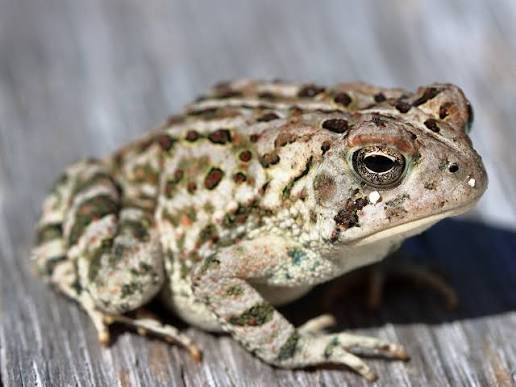
On a rainy evening, a small creature slowly moves across a garden path, searching for insects while avoiding predators and human activity. To many people, it may look ordinary, but this quiet amphibian plays an important role in maintaining the balance of nature. Toads have survived for millions of years, adapting to forests, grasslands, wetlands, deserts, and even urban environments. Their rough skin, unique behaviors, and ecological importance make them one of the most interesting groups of amphibians on Earth.
Although often misunderstood because of myths surrounding their appearance, these animals are valuable indicators of environmental health. Scientists study them to understand ecosystem changes, pollution levels, and the effects of climate change. As biodiversity declines worldwide, protecting these small but important creatures has become a growing conservation priority.
What Are Toads and How Are They Different From Frogs?
Toads are amphibians belonging to several groups, with many true species classified under the family Bufonidae. They are closely related to frogs, and both belong to the order Anura. However, they are commonly recognized by their drier, thicker skin, shorter legs, and more terrestrial lifestyle. Unlike the popular belief that “toad” and “frog” describe completely separate animals, the scientific difference is more complicated because some frogs share similar characteristics.
One of the most noticeable features of these amphibians is their textured skin, which helps reduce water loss when living away from ponds and streams. Many species also have parotoid glands behind their eyes that produce defensive substances against predators. These glands are not dangerous to humans under normal circumstances, but they provide an effective survival mechanism in the wild.
The physical differences between frogs and toads are connected to their habitats. Frogs are often associated with wetter environments, while many toad species can survive in drier landscapes because their skin and behavior help them conserve moisture. This adaptation allows them to occupy a wider range of ecosystems.
The Evolutionary Journey of Toads Across the Planet
The history of toads stretches back millions of years, making them survivors of dramatic environmental changes. Over generations, they developed characteristics that allowed them to adapt to shifting climates, changing landscapes, and new ecological challenges.
Their evolutionary success comes from several biological advantages. Many species produce large numbers of eggs, increasing the chance that some offspring survive. Their ability to live in different habitats has also helped them spread across continents and occupy diverse environments.
From tropical forests to temperate regions, these amphibians demonstrate remarkable flexibility. Species such as the American toad, common toad, and cane toad show how different evolutionary paths can create animals suited for specific environments.
However, evolution does not guarantee protection from modern threats. Rapid habitat destruction, pollution, disease, and climate change are creating challenges that natural adaptation cannot always overcome. Conservation scientists now focus on understanding how these animals respond to human-driven environmental changes.
How Toads Support Ecosystem Balance
Many people underestimate the ecological value of toads, but these amphibians perform important functions within food webs. One of their most significant contributions is controlling insect populations. By consuming insects such as beetles, flies, and other small invertebrates, they help regulate natural communities and can benefit agricultural environments.
Gardeners often consider these animals helpful because they reduce the number of insects that may damage plants. A healthy population can act as a natural pest-control system, reducing the need for chemical pesticides.
These amphibians also serve as food sources for other wildlife. Birds, snakes, mammals, and aquatic predators rely on them as part of complex ecological relationships. Their presence supports biodiversity by connecting different levels of the food chain.
Because amphibians absorb substances through their skin, they are sensitive to environmental changes. Researchers often use their populations as indicators of ecosystem quality. A decline in amphibian numbers can signal problems such as water contamination or habitat degradation.
Life Cycle and Reproduction of Toads
The life cycle of toads begins in water, even though many adults spend most of their lives on land. During breeding seasons, usually triggered by rainfall and temperature changes, adults travel toward ponds, lakes, or temporary pools to reproduce.
Female individuals lay eggs in water, often creating long strings rather than the clusters commonly associated with many frogs. These eggs hatch into tadpoles, which undergo a remarkable transformation known as metamorphosis. Over time, they develop legs, lose their tails, and become land-dwelling juveniles.
Migration to breeding areas can be dangerous. Many populations travel the same routes every year, sometimes crossing roads and human-developed areas. Conservation groups in several countries organize volunteer programs to help reduce deaths during these seasonal movements.
This annual journey demonstrates how connected wildlife is to its environment. Even small changes, such as the loss of a breeding pond or construction of a road, can have major effects on population survival.
Popular Toad Species Around the World
Scientists have identified hundreds of amphibian species commonly called toads, each adapted to different environments. The American toad is one of the best-known species in North America. It has dry, bumpy skin and typically lives in forests, gardens, and grasslands.
The common toad found in Europe is another widely recognized species. It spends much of the year in woodland, gardens, and fields before returning to ponds for breeding. Its seasonal migrations have become an important focus of wildlife conservation efforts.
The cane toad is one of the most famous examples of how introduced species can create ecological challenges. Originally native to parts of the Americas, it was introduced to several regions for insect control. In places like Australia, it became invasive and affected native predators because of its toxic defenses.
These examples show that different species can have very different relationships with their environments. Some support ecosystems naturally, while others can create problems when moved outside their original habitats.
Amazing Adaptations That Help Toads Survive
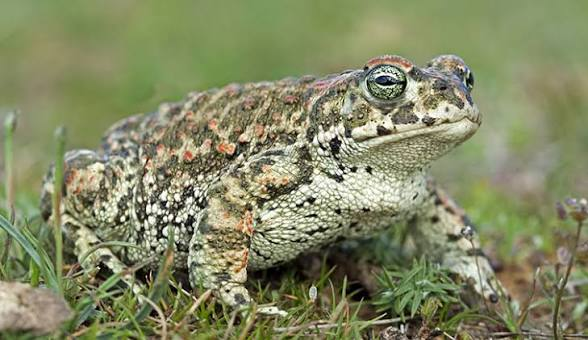
The survival abilities of toads are among their most fascinating characteristics. Many species can hide during daylight hours and become active at night when temperatures are cooler and humidity is higher.
Burrowing is another important adaptation. Some species dig into soil to escape extreme heat, cold, or dry conditions. This behavior allows them to survive in environments where many other amphibians would struggle.
Their defensive strategies are equally impressive. When threatened, some species release chemicals from their skin that discourage predators. Others inflate their bodies to appear larger and more difficult to swallow.
These adaptations reveal how evolution shapes animals according to environmental pressures. What may seem like unusual features are actually highly effective survival tools developed over thousands of generations.
Threats Facing Toad Populations Today
Despite their resilience, many toads are facing increasing threats around the world. Habitat loss is one of the biggest concerns as wetlands disappear and natural areas are converted into cities, roads, and farmland.
Pollution also creates serious risks because amphibians have highly sensitive skin. Chemicals entering water systems can affect reproduction, development, and survival. Additionally, pesticides may reduce insect populations, removing an important food source.
Climate change adds another layer of difficulty. Changes in rainfall patterns and rising temperatures can affect breeding seasons, migration routes, and habitat availability. Scientists are increasingly studying how changing climates influence amphibian populations.
Disease has also become a major conservation concern. Certain fungal infections have contributed to amphibian declines in different regions, highlighting the need for monitoring and protection programs.
Conservation Efforts and How People Can Help
Protecting toads requires cooperation between scientists, governments, and local communities. Conservation strategies often focus on protecting wetlands, maintaining natural habitats, and creating safe migration routes.
Individuals can support these amphibians by creating wildlife-friendly gardens. Simple actions such as avoiding excessive pesticide use, maintaining small water sources, and leaving natural hiding places can provide valuable habitat.
Citizen science programs have also become increasingly important. Volunteers help researchers monitor populations, record sightings, and collect information about breeding activity. These efforts provide valuable data for conservation planning.
As awareness grows, more communities are recognizing that protecting small species contributes to protecting entire ecosystems.
The Future of Toad Research and Environmental Protection
Future research on toads will likely combine traditional field studies with advanced technology. Scientists are using tools such as environmental DNA testing, acoustic monitoring, and digital tracking to better understand population changes.
These technologies allow researchers to collect information without disturbing fragile habitats. They can identify species presence, monitor migration patterns, and detect environmental problems earlier.
Conservation is also becoming more focused on ecosystem-wide approaches. Instead of protecting a single species alone, experts are working to preserve entire habitats that support many forms of life.
As environmental challenges increase, these amphibians will continue serving as important reminders of the connection between human activity and natural systems.
Key Takeaways
- Toads are important amphibians that help maintain ecosystem balance.
- They control insect populations and support food chains.
- Their adaptations allow survival in diverse environments.
- Habitat loss, pollution, climate change, and disease threaten many populations.
- Protecting wetlands and natural spaces helps conserve amphibian diversity.
Conclusion
Toads may be small, but their impact on the natural world is significant. These remarkable amphibians connect different parts of ecosystems, control insect populations, and provide valuable information about environmental health. Their survival story reflects the power of adaptation and the importance of protecting biodiversity.
As human development continues changing landscapes, understanding and conserving these creatures becomes more important than ever. By protecting habitats, reducing pollution, and supporting conservation efforts, people can help ensure that these fascinating amphibians continue thriving for future generations.
Explore more about wildlife conservation, amphibian biology, and the hidden species that help keep our planet balanced. Every creature plays a role, and even the smallest ones can make a meaningful difference.
Frequently Asked Questions
What are toads?
Toads are amphibians related to frogs that usually have dry skin, shorter legs, and special adaptations that help them survive on land.
Are toads poisonous or dangerous?
Most toads are not dangerous to humans, but some species produce defensive toxins that protect them from predators.
What do toads eat?
Toads mainly eat insects, worms, spiders, and other small invertebrates, helping control natural pest populations.
Where do toads live?
Toads can live in forests, grasslands, gardens, wetlands, and many other environments around the world.
Why are toads important for ecosystems?
Toads help maintain ecological balance by controlling insect numbers and supporting food chains as both predators and prey.
You May Also Read: A Words