

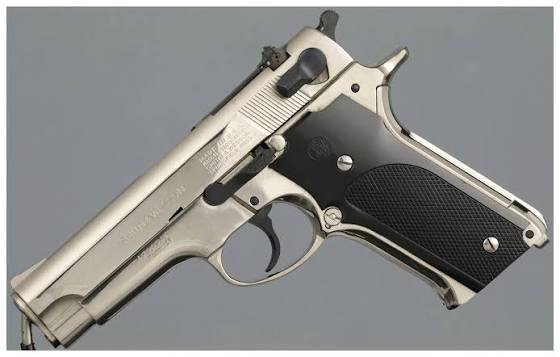
The Smith Wesson 59 is a significant handgun in American firearm history because it helped introduce a new generation of high-capacity 9mm semi-automatic pistols. Developed during the early 1970s, this pistol was created as an improved version of the Smith & Wesson Model 39, adding a double-stack magazine design that increased ammunition capacity while maintaining a compact and practical shape for its time.
The Smith Wesson 59 became one of the early examples of what many enthusiasts later called the “Wonder Nine” pistols. Its combination of a 9mm cartridge, double-action operation, and larger magazine capacity influenced future handgun designs used by law enforcement agencies, military organizations, and civilian shooters. Although production ended decades ago, its historical importance continues to attract collectors and firearm researchers.
Smith Wesson 59 Design, Build Quality, and Features
The Smith Wesson 59 was designed as a durable semi-automatic pistol with a focus on reliability and practical performance. It featured an aluminum alloy frame combined with a steel slide, creating a balance between manageable weight and structural strength. The pistol used a double-action/single-action trigger system, allowing the first shot to be fired with a longer trigger pull and following shots with a lighter single-action pull.
One of the most notable features of the Smith Wesson 59 was its double-column magazine, which held more rounds than many traditional single-stack pistols available at the time. This increased capacity made the handgun attractive for users who wanted more ammunition without carrying additional magazines. The pistol also included a manual safety and decocking system, features that were common among service pistols of that era.
Smith Wesson 59 Specifications and Performance Overview
The Smith Wesson 59 was chambered in 9mm Luger, making it suitable for a widely available and internationally recognized handgun cartridge. The pistol featured a 4-inch barrel and an overall design intended for duty use and personal protection. Its 14-round magazine capacity was considered impressive when many competing pistols carried significantly fewer rounds.
In terms of performance, the Smith Wesson 59 offered dependable accuracy and comfortable handling for its period. Its design allowed shooters to quickly transition between targets while maintaining control during repeated firing. Although modern pistols have improved in areas such as ergonomics, materials, and optics compatibility, the Model 59 remains respected for introducing features that later became standard in many semi-automatic handguns.
Smith Wesson 59 Role in Military and Law Enforcement History
The Smith Wesson 59 gained attention because of growing interest in high-capacity 9mm pistols among military and police organizations. During the period when many agencies were considering alternatives to traditional revolvers, pistols like the Model 59 represented a shift toward greater ammunition capacity and faster reload capability.
While the Smith Wesson 59 was not adopted as a primary service pistol by every organization, it contributed to the broader movement toward semi-automatic handguns. Its development reflected changing preferences in the firearms industry, where double-stack magazines and 9mm cartridges became increasingly popular. The pistol also gained recognition among collectors because of its connection to this important transition in handgun evolution.
Smith Wesson 59 Variants and Related Models
The Smith Wesson 59 was part of a larger family of pistols that eventually included several improved designs. Later models, such as the Smith & Wesson 459 and other third-generation pistols, introduced refinements in materials, sights, controls, and overall durability. These developments were based on lessons learned from earlier designs like the Model 59.
Collectors often compare the Smith Wesson 59 with related Smith & Wesson models because each version represents a different stage in the company’s semi-automatic pistol development. The Model 59 remains especially interesting because it was among the first successful attempts by Smith & Wesson to combine high magazine capacity with a traditional service pistol platform.
Smith Wesson 59 Collectibility and Modern Legacy
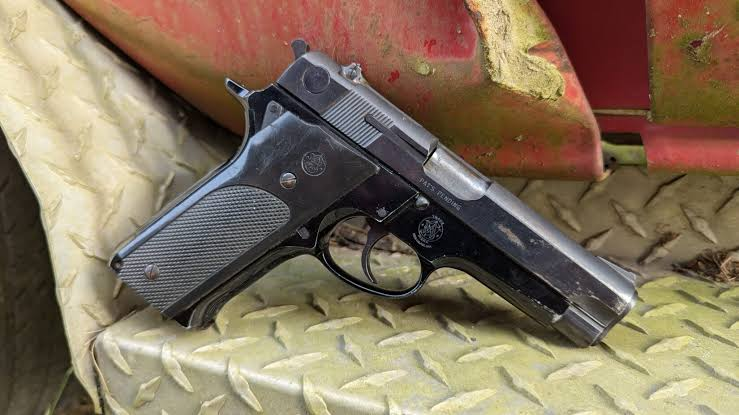
Today, the Smith Wesson 59 is mainly appreciated by firearm collectors, historians, and enthusiasts interested in classic handgun designs. Since production ended many years ago, finding well-preserved examples has become more challenging. Collectors often look for original finishes, matching magazines, and pistols with documented history because these details can increase interest and value.
The legacy of the Smith Wesson 59 extends beyond its production years. It played an important role in shaping expectations for modern semi-automatic pistols by demonstrating the advantages of higher capacity magazines and 9mm platforms. Many contemporary handguns use concepts that became popular during the same era, making the Model 59 an important milestone in firearm development.
Smith Wesson 59 Maintenance and Ownership Considerations
Maintaining a Smith Wesson 59 requires attention to cleaning, lubrication, and proper storage practices. Because these pistols are older designs, owners often focus on preserving original components and preventing unnecessary wear. Regular inspection of moving parts and careful handling can help maintain reliability while protecting the firearm’s historical condition.
The Smith Wesson 59 remains a fascinating example of classic handgun engineering. While newer pistols may offer advanced features, the Model 59 provides collectors with a connection to an important period when firearm manufacturers were adapting to changing demands. Its design represents a bridge between traditional service pistols and the modern high-capacity semi-automatic handguns widely used today.
Conclusion
The Smith Wesson 59 holds a special place in firearm history as one of the early high-capacity 9mm semi-automatic pistols that influenced future handgun designs. Its combination of practical features, historical significance, and innovative magazine capacity helped shape the direction of modern service pistols.
Although it is no longer produced, the Smith Wesson 59 continues to attract attention from collectors and enthusiasts who appreciate its role in firearm evolution. Its contribution to the development of high-capacity handguns ensures that it remains an important and memorable model in Smith & Wesson’s long history.
Frequently Asked Questions
What is the Smith Wesson 59?
The Smith Wesson 59 is a 9mm semi-automatic pistol introduced in the early 1970s and known for its double-stack magazine design.
How many rounds does the Smith Wesson 59 magazine hold?
The original Smith Wesson 59 magazine holds 14 rounds of 9mm ammunition.
Is the Smith Wesson 59 still made?
No, production of the Smith Wesson 59 ended in the early 1980s.
Why is the Smith Wesson 59 important?
The pistol is important because it helped popularize high-capacity 9mm semi-automatic handgun designs.
Is the Smith Wesson 59 valuable to collectors?
Yes, well-preserved examples of the Smith Wesson 59 can be interesting to collectors due to its historical significance.
You May Also Read: Starcatcher Play