

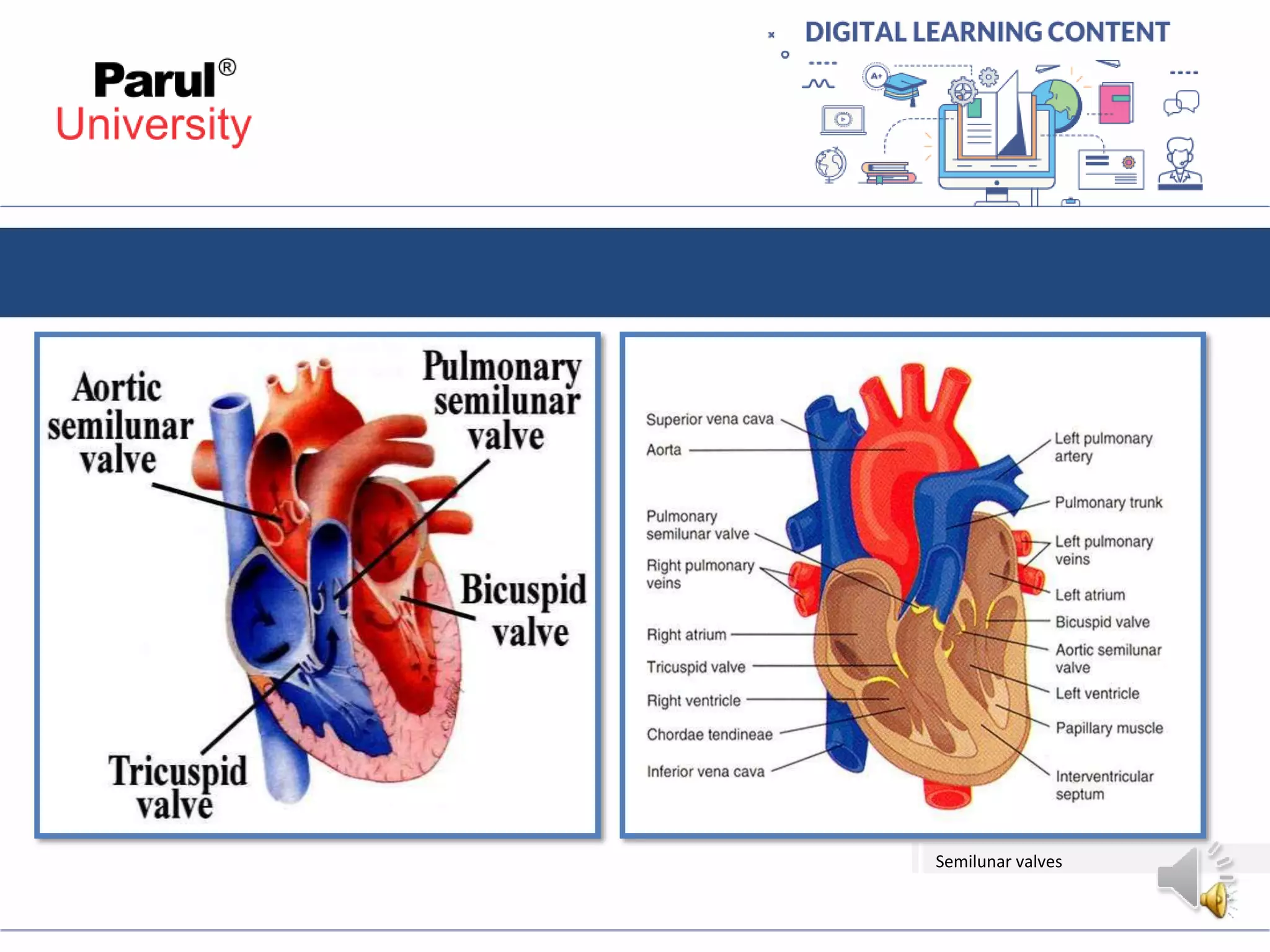
Semilunar valves are essential structures of the human heart that help control the direction of blood flow during every heartbeat. These valves are located between the ventricles, which are the lower chambers of the heart, and the large arteries that carry blood away from the heart. Their main purpose is to allow blood to move forward while preventing it from flowing backward into the ventricles.
The name semilunar valves comes from their unique half-moon shape. Each valve contains three pocket-like cusps that open and close based on pressure changes inside the heart. These valves work continuously throughout a person’s life, supporting proper circulation and ensuring that oxygen-rich and oxygen-poor blood travel through the correct pathways.
Location of Semilunar Valves in the Heart
The semilunar valves are located at the exit points of the heart’s ventricles. They sit between the pumping chambers of the heart and the major blood vessels that transport blood to different parts of the body. Because of their position, these valves play a major role in controlling blood movement during the heart’s pumping cycle.
There are two main semilunar valves found in the heart: the aortic valve and the pulmonary valve. The aortic valve is positioned between the left ventricle and the aorta, which carries oxygenated blood to the body. The pulmonary valve is located between the right ventricle and the pulmonary artery, which transports blood to the lungs for oxygen exchange.
Structure of Semilunar Valves
The structure of semilunar valves allows them to handle strong pressure changes created by the heart’s pumping action. Each valve is made of three thin, flexible cusps that form small pockets. These cusps respond quickly when blood pressure changes, allowing the valve to open when blood needs to leave the ventricles and close when blood attempts to return.
Unlike atrioventricular valves, semilunar valves do not have chordae tendineae or papillary muscles. Instead, their crescent-shaped cusps provide the support needed for proper movement. When blood flows forward, the cusps flatten against the vessel walls, creating an opening. When blood tries to move backward, the cusps fill with blood and come together to block reverse flow.
Function of Semilunar Valves
The main function of semilunar valves is to maintain one-way blood flow through the heart and into the arteries. During each heartbeat, the ventricles contract and create pressure that pushes blood toward the aorta and pulmonary artery. At this moment, the semilunar valves open to allow blood to leave the heart efficiently.
After the ventricles finish contracting, they begin to relax. During this stage, blood pressure in the arteries becomes higher than the pressure inside the ventricles. The semilunar valves respond by closing tightly, preventing blood from returning to the heart chambers. This action keeps circulation smooth and protects the heart from unnecessary strain.
How Do Semilunar Valves Work?
Semilunar valves work through pressure differences created during the cardiac cycle. When the ventricles contract during systole, the pressure inside the chambers increases. Once this pressure becomes greater than the pressure in the arteries, the valve cusps open and allow blood to flow away from the heart.
When the ventricles relax during diastole, the pressure inside the chambers decreases. Blood in the arteries naturally pushes backward toward the heart, causing the valve cusps to fill and close. This closing action produces part of the second heart sound, often described as the “dub” sound heard during a heartbeat.
Types of Semilunar Valves
The human heart contains two types of semilunar valves that perform similar tasks in different areas of circulation. Both valves prevent blood from moving in the wrong direction, but they control blood flow through separate pathways. Understanding these two valves helps explain how the heart supports both pulmonary and systemic circulation.
The aortic valve is located between the left ventricle and the aorta. It controls the movement of oxygen-rich blood from the heart to the rest of the body. The pulmonary valve is located between the right ventricle and the pulmonary artery. It controls the movement of oxygen-poor blood from the heart to the lungs.
| Type of Valve | Location | Function |
| Aortic Valve | Between left ventricle and aorta | Sends oxygen-rich blood to the body |
| Pulmonary Valve | Between right ventricle and pulmonary artery | Sends blood to the lungs |
Semilunar Valves and the Cardiac Cycle
The cardiac cycle is the repeated process of heart contraction and relaxation that allows blood to circulate throughout the body. Semilunar valves play a major role during this cycle by opening and closing at specific moments. Their timing ensures that blood moves forward instead of creating backward pressure inside the heart.
During ventricular systole, the ventricles contract and push blood outward through the open semilunar valves. During ventricular diastole, the ventricles relax and prepare to receive blood again. The semilunar valves close during this phase to prevent blood from returning from the arteries into the ventricles, maintaining an effective heartbeat rhythm.
Common Semilunar Valve Disorders
Although semilunar valves are designed to work efficiently, certain medical conditions can affect their performance. Problems with these valves can interfere with normal blood circulation and may place extra stress on the heart. Two of the most common semilunar valve disorders are stenosis and regurgitation.
Valve stenosis occurs when a valve becomes narrow, stiff, or damaged, making it harder for blood to pass through. Valve regurgitation occurs when a valve does not close completely, allowing blood to leak backward. These conditions may cause symptoms such as fatigue, shortness of breath, chest discomfort, dizziness, or reduced exercise ability.
Difference Between Semilunar Valves and Atrioventricular Valves
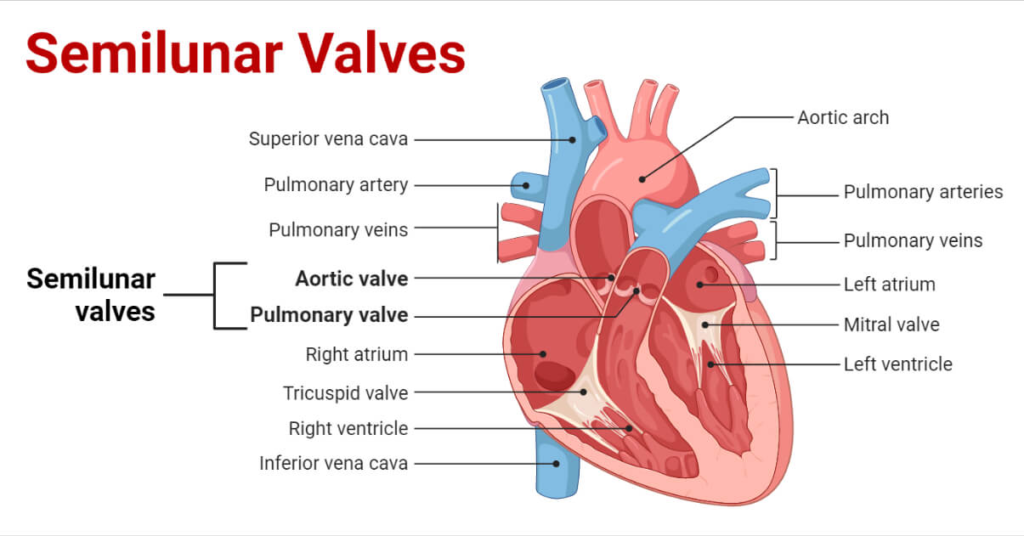
The heart contains two major groups of valves: semilunar valves and atrioventricular valves. Although both groups control blood movement and prevent backflow, they are located in different parts of the heart and perform different roles. Understanding the difference between them helps explain the complete process of circulation.
Semilunar valves are positioned between the ventricles and arteries, while atrioventricular valves are located between the atria and ventricles. The atrioventricular valves include the mitral valve and tricuspid valve, which use chordae tendineae for support. In contrast, semilunar valves rely on their three cusps to open and close properly.
| Feature | Semilunar Valves | Atrioventricular Valves |
| Location | Between ventricles and arteries | Between atria and ventricles |
| Types | Aortic and pulmonary valves | Mitral and tricuspid valves |
| Main Purpose | Control blood leaving the heart | Control blood moving between chambers |
Importance of Healthy Semilunar Valves
Healthy semilunar valves are important for maintaining strong heart function and efficient blood circulation. Every organ in the body depends on proper blood flow to receive oxygen and nutrients. When these valves work correctly, the heart can pump blood effectively without unnecessary pressure or strain.
Supporting cardiovascular health through regular physical activity, a balanced diet, avoiding harmful habits, and attending medical checkups can help protect heart function. Understanding how semilunar valves work also helps people recognize the importance of early detection when symptoms of heart valve problems appear.
Conclusion
Semilunar valves are small but powerful parts of the heart that play a vital role in maintaining healthy circulation. Their unique structure allows them to open and close according to pressure changes, ensuring that blood moves in the correct direction. The aortic and pulmonary valves work together to support the movement of blood between the heart, lungs, and the rest of the body.
Learning about semilunar valves provides valuable knowledge about human anatomy and heart function. These valves operate thousands of times every day, making their proper function essential for life. Protecting heart health and understanding possible valve problems can help support long-term cardiovascular wellness.
FAQs
What are semilunar valves?
Semilunar valves are heart valves that control blood flow from the ventricles into the arteries and prevent backward blood movement.
How many semilunar valves are present in the heart?
There are two semilunar valves: the aortic valve and the pulmonary valve.
What is the main function of semilunar valves?
Their main function is to allow blood to leave the heart and stop it from flowing backward into the ventricles.
Where are semilunar valves located?
They are located between the ventricles and the major arteries leaving the heart.
What diseases affect semilunar valves?
Common problems include valve stenosis and valve regurgitation, which can affect normal blood circulation.
You May Also Read: Dichotomous Key