

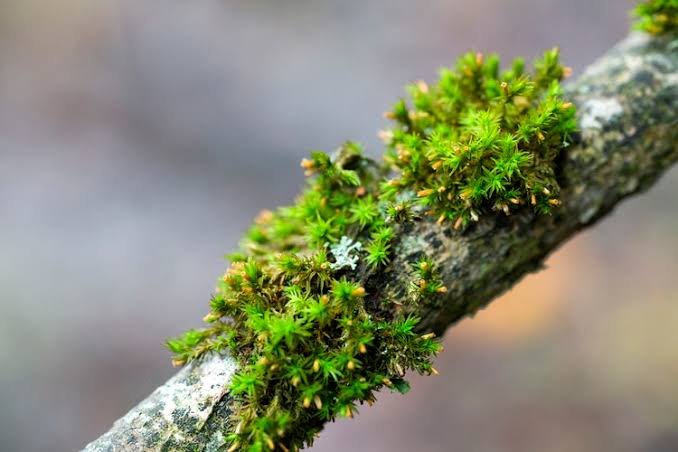
After a volcanic eruption, wildfire, glacier retreat, or severe environmental disturbance, landscapes can appear completely lifeless. Bare rocks, damaged soil, and empty spaces may seem incapable of supporting life. Yet nature has a remarkable recovery system. Within these harsh environments, the first organisms arrive, survive, and begin rebuilding the foundation for future ecosystems. These early colonizers are known as pioneer species, and they play one of the most important roles in ecological recovery.
From tiny lichens growing on exposed rocks to hardy plants reclaiming abandoned land, these organisms transform damaged environments into habitats where more complex communities can eventually develop. Their ability to tolerate extreme conditions makes them essential for ecological succession, biodiversity restoration, and climate resilience. Understanding how these natural “first responders” work helps scientists protect ecosystems and design better conservation strategies.
What Are Pioneer Species and Why Are They Important?
Pioneer species are organisms that are the first to colonize newly created or disturbed environments where little or no life exists. They usually appear after events that remove existing vegetation, destroy habitats, or expose previously unavailable surfaces. These organisms begin the process of ecological succession by modifying the environment and creating conditions suitable for other species.
Unlike many mature ecosystem species, early colonizers do not require rich soil, stable temperatures, or abundant resources. Instead, they possess special adaptations that allow survival in difficult conditions. They may grow quickly, spread widely through wind or water, tolerate limited nutrients, and reproduce efficiently. These characteristics allow them to occupy empty ecological spaces before stronger competitors arrive.
The importance of these organisms extends far beyond their size. By creating organic matter, stabilizing soil, and improving nutrient availability, they become the starting point for entire ecological communities. Without these early environmental engineers, many ecosystems would recover much more slowly after disturbances.
The Role of Pioneer Species in Ecological Succession
Ecological succession is the natural process through which ecosystems change and develop over time. The process usually begins with simple organisms and gradually progresses toward more complex communities containing grasses, shrubs, trees, animals, and microorganisms. Pioneer species are responsible for initiating this transformation.
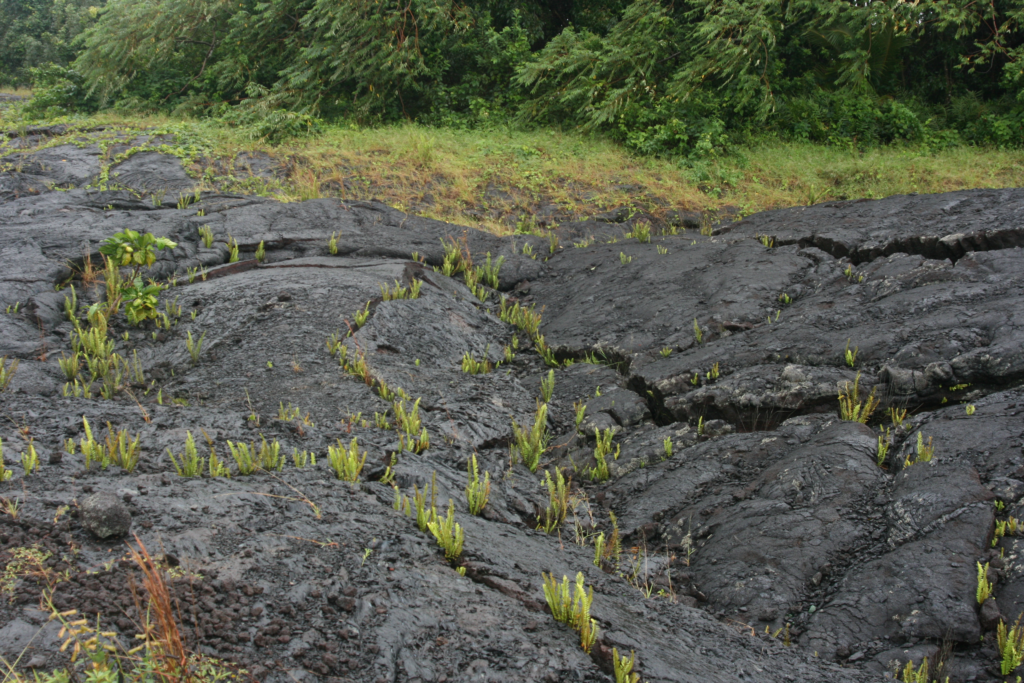
During primary succession, life begins in areas where soil has not yet formed, such as newly exposed volcanic rock or land uncovered by melting glaciers. In these situations, organisms like lichens and certain algae can survive directly on mineral surfaces. They slowly break down rocks, contribute organic material, and help create the first layers of soil.
Secondary succession occurs in places where soil remains after a disturbance, such as forests recovering after fires or abandoned agricultural fields returning to nature. In these environments, fast-growing grasses, herbs, and shrubs often become the first plants to return. Their growth helps restore habitat conditions and prepares the area for later stages of ecosystem development.
Characteristics That Help Pioneer Species Survive
The survival abilities of pioneer species come from unique biological features developed through evolution. One major advantage is their ability to live with limited resources. Many early colonizers can survive in environments with poor soil quality, extreme sunlight exposure, or unstable conditions.
Rapid reproduction is another important characteristic. Because disturbed environments are unpredictable, these organisms often produce large numbers of seeds, spores, or offspring. This increases the chance that some individuals will successfully establish themselves before conditions change.
Many pioneer plants also have extensive root systems that help prevent erosion and improve soil structure. Some species, such as nitrogen-fixing plants, work with bacteria in their roots to increase available nutrients. This biological process gradually improves the environment for other organisms.
Additionally, many pioneer organisms can spread over long distances. Wind-dispersed seeds, airborne spores, and mobile microorganisms allow them to reach isolated locations where competition is minimal.
Famous Examples of Pioneer Species Around the World
Nature provides countless examples of pioneer species working as ecosystem builders. Lichens are among the best-known examples because they can survive on bare rocks where almost no other life exists. By producing acids that slowly break down minerals, lichens contribute to the formation of soil over long periods.
Mosses often follow lichens because they can retain moisture and capture small particles of organic material. Together, lichens and mosses create conditions where grasses and other plants can establish themselves.
In forest recovery, species such as alder trees demonstrate the importance of nitrogen enrichment. Alder roots contain bacteria that help convert atmospheric nitrogen into forms plants can use. This improves soil fertility and supports the arrival of other vegetation.
After volcanic eruptions, certain grasses, shrubs, and specialized plants become early colonizers. For example, areas affected by volcanic activity in Hawaii have shown how resilient plants can gradually transform lava fields into functioning ecosystems.
How Pioneer Species Support Biodiversity
Biodiversity depends on the ability of ecosystems to recover, adapt, and support different forms of life. Pioneer species provide the first step in this process by creating habitats that allow additional organisms to survive.
When early plants establish themselves, they provide food sources and shelter for insects, birds, fungi, and microorganisms. These interactions increase ecological complexity and create stronger food networks.
Soil development is another major contribution. As pioneer plants grow and die, their organic remains become part of the soil. This increases nutrient availability and improves moisture retention. Over time, these changes allow larger plants and more specialized species to establish themselves.
Scientists studying ecosystem restoration often examine these natural processes to understand how damaged landscapes can recover. By learning from natural succession, conservation projects can select appropriate species to accelerate habitat restoration.
Pioneer Species and Climate Change Recovery Efforts
Climate change has increased the frequency of wildfires, droughts, floods, and other environmental disturbances. As a result, scientists are paying greater attention to natural recovery mechanisms. Pioneer species are becoming increasingly valuable in restoration ecology because they can help damaged ecosystems rebuild after climate-related events.
Restoration experts often use native early colonizers to stabilize landscapes, reduce erosion, and improve soil conditions. This approach is especially important in areas where human activity has severely damaged natural habitats.
For example, restoring forests after wildfires often requires encouraging native plants that can survive harsh conditions. These species create the foundation for future forest growth while supporting insects and wildlife.
However, scientists emphasize that restoration efforts must carefully consider local ecosystems. Introducing non-native species can create new problems by competing with native organisms or disrupting natural ecological relationships.
The Difference Between Pioneer Species and Climax Communities
While pioneer species start ecosystem development, they are usually not the dominant organisms in mature environments. As ecosystems become more stable, larger and more competitive species gradually replace many early colonizers.
A climax community refers to a relatively stable ecosystem stage where species composition changes more slowly. In forests, for example, fast-growing grasses and shrubs may appear first, followed by young trees and eventually mature forest species.
This transition occurs because environmental conditions change. Early colonizers often prefer open spaces with high sunlight, while later species may compete better in shaded, nutrient-rich environments.
The relationship between these stages demonstrates that ecosystems are constantly changing. Each group of organisms has a specific role in maintaining ecological balance.
Human Uses of Pioneer Species in Environmental Restoration
Modern environmental projects increasingly use knowledge about natural succession to repair damaged landscapes. Governments, researchers, and conservation organizations study pioneer species to improve reforestation, land rehabilitation, and habitat recovery programs.
One practical application is restoring mining areas. Mining operations can leave behind damaged land with poor soil conditions. Scientists often introduce hardy native plants that can survive these environments and begin rebuilding soil quality.
Agricultural restoration is another important area. Abandoned farmland can naturally recover when early colonizers return, helping restore soil structure and attract wildlife.
Urban ecology also benefits from these concepts. Green spaces, rooftop gardens, and urban restoration projects often rely on resilient plants that can survive challenging city environments.
Future Research and the Growing Importance of Pioneer Species
As environmental challenges increase, research into ecosystem recovery is becoming more important. Scientists are studying how early colonizers respond to changing temperatures, altered rainfall patterns, and increasing human disturbances.
Future restoration strategies may combine traditional ecological knowledge with advanced technology, including satellite monitoring, environmental DNA analysis, and artificial intelligence models that predict ecosystem recovery patterns.
Researchers are also exploring how different species interact during early succession. Understanding these relationships can help improve conservation planning and increase the success rate of restoration projects.
As ecosystems face greater pressure from climate change and biodiversity loss, the role of nature’s first builders will become even more significant.
Key Takeaways
- Pioneer species are the first organisms to colonize disturbed or barren environments.
- They begin ecological succession by improving soil and creating habitats for other life.
- Common examples include lichens, mosses, grasses, algae, and nitrogen-fixing plants.
- They play a major role in ecosystem restoration and climate resilience.
- Human conservation projects increasingly use natural succession principles to rebuild damaged environments.
Conclusion
The story of pioneer species is a powerful reminder that nature’s recovery often begins with the smallest forms of life. These organisms may appear insignificant, but their ability to survive extreme conditions and transform empty landscapes makes them essential to the planet’s ecological balance.
From rebuilding soil after volcanic eruptions to restoring forests after wildfires, these natural pioneers create the foundation for future ecosystems. As climate change continues to challenge the world’s environments, understanding and protecting these organisms will become increasingly important.
Exploring the science of ecological succession offers valuable lessons about resilience, adaptation, and the remarkable ability of nature to rebuild itself. Learning more about these ecosystem builders can help individuals, researchers, and communities support healthier environments for future generations.
Frequently Asked Questions
What are pioneer species?
Pioneer species are the first organisms that colonize damaged or newly formed environments and begin ecological recovery.
What is the first example of a pioneer species?
Lichens are one of the most common examples because they can grow on bare rocks without developed soil.
Why are pioneer species important?
They create soil, improve nutrients, reduce erosion, and help other organisms establish.
Are all pioneer species plants?
No, they can include plants, fungi, algae, microorganisms, and some animals.
How do pioneer species help ecosystems recover?
They modify harsh environments and create conditions where more complex communities can develop.
What happens after pioneer species arrive?
Other plants and organisms gradually replace them as ecological succession continues.
Can humans use pioneer species for restoration?
Yes, scientists use native pioneer organisms in habitat restoration and environmental recovery projects.
You May Also Read: Guatemala Flag