

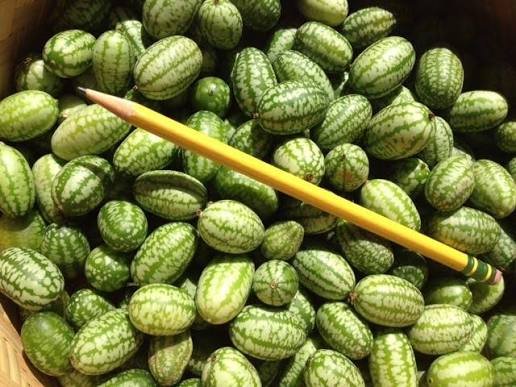
Melothria scabra is a fascinating climbing vine that has become increasingly popular among home gardeners across the United States. Commonly known as the cucamelon, mouse melon, or Mexican sour cucumber, this unique plant produces tiny fruits that resemble miniature watermelons while offering the crisp flavor of cucumber with a refreshing citrus twist. Its attractive appearance, vigorous growth, and reliable productivity make it a favorite choice for vegetable gardens, raised beds, and container gardening.
Whether you are an experienced gardener or just beginning your gardening journey, Melothria scabra is an excellent plant to grow. It requires relatively simple care, adapts well to different growing conditions, and rewards gardeners with continuous harvests throughout the summer. This guide explains everything you need to know, from understanding the plant and growing it successfully to maintaining healthy vines for an abundant harvest.
What Is Melothria scabra?
Melothria scabra is a fast-growing vine belonging to the Cucurbitaceae family, which also includes cucumbers, pumpkins, squash, and melons. Native to Mexico and Central America, this remarkable plant has been cultivated for generations because of its delicious edible fruits and dependable growth habit. Although its fruits look like tiny watermelons, they are not miniature watermelons at all. Instead, they have a refreshing cucumber flavor with a subtle hint of citrus, making them a unique addition to many recipes.
One of the most appealing characteristics of Melothria scabra is its versatility in the garden. The slender vines quickly climb trellises, fences, pergolas, and arches while producing dozens of grape-sized fruits over several months. The plant also develops small yellow flowers that attract bees and beneficial pollinators, helping improve the health and productivity of nearby vegetables and flowering plants. This combination of beauty and usefulness makes it an outstanding addition to both ornamental and edible landscapes.
Melothria scabra Plant Profile
Melothria scabra is known for its vigorous climbing habit and impressive productivity throughout the growing season. Healthy vines commonly reach six to ten feet in length when supported by a sturdy trellis or fence. Bright green leaves provide dense foliage that creates natural privacy while supporting continuous flowering and fruit development. Gardeners often appreciate the plant because it combines decorative value with an abundant supply of edible fruits.
This plant grows best in USDA Hardiness Zones 9 through 11, where it can survive as a tender perennial. In most parts of the United States, however, it is grown as a warm-season annual. Melothria scabra prefers fertile, well-drained soil rich in organic matter and performs best in locations receiving at least six to eight hours of direct sunlight each day. Regular watering and balanced fertilization help maintain vigorous vines and encourage consistent fruit production throughout summer and early fall.
How to Grow Melothria scabra Successfully
Growing Melothria scabra from seed is straightforward when proper conditions are provided. Most gardeners begin seeds indoors approximately four to six weeks before the final spring frost. Seeds germinate best in warm soil temperatures between 70 and 75 degrees Fahrenheit. Using a quality seed-starting mix and maintaining even moisture encourages strong, healthy seedlings that are ready for transplanting once outdoor temperatures become consistently warm.
After the danger of frost has passed, seedlings can be transplanted into garden beds, raised beds, or large containers. Choose a location with fertile, well-drained soil and install a sturdy trellis before planting. Providing support from the beginning encourages vertical growth, improves air circulation, reduces disease risk, and makes harvesting much easier. Adding compost before planting enriches the soil while improving moisture retention, creating excellent growing conditions for vigorous vines and heavy fruit production.
Melothria scabra Care Guide
Providing proper care is essential for producing healthy vines and maximizing harvests. Melothria scabra benefits from consistent watering, particularly during flowering and fruit development. Deep watering once or twice each week is generally sufficient, depending on weather conditions. Applying mulch around the base of each plant helps retain soil moisture, regulate temperature, and reduce weed growth while keeping the root system healthy throughout the growing season.
Regular fertilization also supports continuous flowering and fruit production. Applying a balanced fertilizer every three to four weeks supplies essential nutrients without promoting excessive leaf growth. Gardeners should also train vines along their support structures as they grow, removing damaged or overcrowded stems when necessary. Good air circulation reduces the likelihood of fungal diseases and keeps plants productive from early summer until the arrival of the first autumn frost.
Common Problems and Solutions
Although Melothria scabra is generally more disease-resistant than traditional cucumbers, occasional problems may still occur. Aphids, spider mites, and cucumber beetles are the most common insect pests affecting young vines. Regular inspections help identify infestations before significant damage occurs. Washing leaves with water, encouraging beneficial insects, and using insecticidal soap when necessary provide effective and environmentally friendly methods for controlling these pests.
Fungal diseases such as powdery mildew may appear during periods of high humidity and poor airflow. Proper plant spacing, watering at the soil level instead of on the leaves, and maintaining clean garden conditions significantly reduce disease pressure. Yellow leaves often indicate inconsistent watering, poor drainage, or nutrient deficiencies rather than serious disease. Addressing these issues early helps restore vigorous growth and ensures that Melothria scabra continues producing healthy fruits throughout the growing season.
Harvesting Melothria scabra
Harvesting Melothria scabra at the right time ensures the best taste, texture, and overall quality of the fruit. Cucamelons are usually ready to harvest when they reach the size of a grape and develop their distinctive green skin with darker stripes. Unlike many vegetables that require waiting for full maturity, these tiny fruits are often enjoyed when young because they remain firm, juicy, and pleasantly crisp. Regular harvesting encourages the plant to produce more flowers and extend its fruiting season.
During the peak growing period, gardeners should check their vines every few days because new fruits develop quickly. Gently twisting the fruits from the vine or using clean scissors prevents damage to the plant. A healthy Melothria scabra vine can produce a surprisingly large harvest throughout summer, making it a rewarding crop for backyard gardeners who want fresh produce with minimal effort. Frequent harvesting also keeps the plant focused on producing new fruits instead of allowing older fruits to mature on the vine.
How to Store and Preserve Cucamelons
Fresh cucamelons can be stored easily when handled correctly after harvesting. Keeping Melothria scabra fruits in the refrigerator helps maintain their crisp texture and refreshing flavor for several days. It is best to avoid washing the fruits until they are ready to be eaten because extra moisture can encourage spoilage and reduce their storage life. A breathable container or paper towel-lined storage bag can help maintain quality.
One of the most popular preservation methods for cucamelons is pickling. Their firm texture allows them to remain crunchy when preserved in vinegar-based solutions, making them a delicious alternative to traditional cucumber pickles. Gardeners with large harvests can also save seeds from mature fruits for future planting. Properly dried and stored seeds can remain viable for several growing seasons, allowing gardeners to continue growing this unique plant year after year.
Culinary Uses of Melothria scabra
Melothria scabra provides a unique culinary experience because its tiny fruits combine the freshness of cucumber with a mild citrus flavor. These small fruits can be eaten directly from the garden, making them a convenient and healthy snack during warm summer days. Their attractive appearance also makes them popular for adding color and texture to salads, vegetable trays, and decorative food displays.
Beyond fresh eating, cucamelons are highly versatile in the kitchen. They can be sliced into salads, added to salsa, mixed into chilled dishes, or used as a garnish for beverages and meals. Many gardeners enjoy preparing pickled cucamelons because their crunchy texture and slightly tangy taste create a flavorful addition to sandwiches, burgers, and appetizer plates. The fruit is naturally low in calories and contains fiber, vitamins, and beneficial plant compounds that support a balanced diet.
How to Propagate Melothria scabra
Propagation of Melothria scabra is usually done through seeds, making it an affordable and simple plant to reproduce. Seeds can be collected from fully mature fruits, cleaned carefully, dried completely, and stored in a cool location until the next planting season. Starting seeds indoors before the growing season begins gives gardeners a head start, especially in regions with shorter summers.
In warmer climates, Melothria scabra can also return from underground tubers that survive mild winters. Gardeners in colder areas can carefully dig up these tubers and store them indoors until spring. This method allows plants to establish faster the following year because mature root systems produce new growth more quickly. Whether grown from seeds or preserved tubers, propagation ensures a reliable supply of plants for future gardens.
Melothria scabra vs Cucamelon and Mouse Melon
Many gardeners wonder about the difference between Melothria scabra, cucamelon, and mouse melon. These names generally refer to the same plant, with cucamelon being the most popular common name in gardening communities. The name mouse melon comes from the fruit’s small size and appearance, while Mexican sour cucumber describes its origin and slightly tangy flavor.
Understanding these names helps gardeners find accurate information, seeds, and growing resources. Regardless of the name used, the plant remains the same fascinating vine that produces miniature striped fruits. Its popularity continues to grow because it offers a combination of easy cultivation, unusual appearance, and delicious flavor that appeals to both beginner and experienced gardeners.
Landscaping and Garden Uses
Melothria scabra is not only valuable as an edible plant but also works beautifully as an ornamental addition to gardens. Its fast-growing vines can cover trellises, fences, and pergolas, creating attractive green walls while producing edible fruits. This makes it especially useful for gardeners who want to maximize limited space through vertical gardening techniques.
The plant is also suitable for balconies, patios, and container gardens when provided with proper support. Its small fruits and attractive foliage create visual interest throughout the growing season. Additionally, the flowers attract pollinators, making Melothria scabra a beneficial companion in gardens that focus on biodiversity and natural growing practices.
Interesting Facts About Melothria scabra
Melothria scabra has gained worldwide attention because of its unusual appearance and historical connection to traditional agriculture in Central America. For generations, communities have valued this plant as a flavorful food source that provides fresh produce during warm growing seasons. Its popularity among modern gardeners continues to increase because it offers something different from common garden vegetables.
Although the fruits look like miniature watermelons, their flavor is closer to a refreshing cucumber with a slight sour note. This surprising combination makes them a favorite among gardeners looking for unique crops. The plant’s ability to produce many fruits from a single vine also makes it an excellent choice for sustainable home gardening.
Conclusion
Melothria scabra is a remarkable plant that combines beauty, productivity, and delicious flavor in one easy-to-grow vine. Its miniature watermelon-like fruits, climbing growth habit, and simple care requirements make it an excellent choice for gardens of all sizes. Whether grown in a backyard garden, raised bed, or container, this plant provides a rewarding experience from planting to harvest.
With proper sunlight, nutritious soil, regular watering, and suitable support, gardeners can enjoy a long season of fresh cucamelons. From eating the fruits straight from the vine to preserving them as pickles, Melothria scabra offers countless possibilities for gardeners and food lovers. Its unique qualities ensure that this fascinating plant will continue gaining popularity among home growers across the United States.
Frequently Asked Questions
What is Melothria scabra commonly called?
Melothria scabra is commonly known as cucamelon, mouse melon, Mexican sour cucumber, and Mexican sour gherkin. These names describe the same edible climbing vine that produces tiny striped fruits with a cucumber-like flavor.
Is Melothria scabra easy to grow?
Yes, Melothria scabra is considered beginner-friendly because it requires basic care, grows quickly, and produces abundant fruit when provided with sunlight, water, fertile soil, and climbing support.
Can you grow Melothria scabra in pots?
Yes, Melothria scabra grows well in large containers. A spacious pot with drainage holes, quality soil, and a trellis allows the vine to grow successfully on patios, balconies, and small gardens.
How much sunlight does Melothria scabra need?
The plant prefers full sun and performs best with six to eight hours of direct sunlight daily. Adequate sunlight encourages stronger vines, more flowers, and better fruit production.
Are cucamelons safe to eat?
Yes, cucamelons are edible and commonly eaten fresh or preserved. They provide a crisp texture and refreshing flavor while adding variety to salads, snacks, and homemade recipes.
When should Melothria scabra be planted?
Plant seeds after the danger of frost has passed and soil temperatures become warm. Starting seeds indoors several weeks earlier can help extend the growing season in cooler areas.
Does Melothria scabra need a trellis?
A trellis is highly recommended because the plant is a climbing vine. Support structures improve airflow, keep fruits cleaner, and make harvesting much easier.
How long does Melothria scabra produce fruit?
Healthy plants usually produce fruit from summer until the first frost. Regular harvesting encourages continued flowering and helps extend the productive period.
Can Melothria scabra survive winter?
In warm climates, the plant may survive as a perennial. In colder regions, gardeners can save seeds or protect underground tubers for planting the following season.
What does a cucamelon taste like?
Cucamelons taste similar to cucumbers with a mild lime-like tang. Their refreshing flavor makes them excellent for fresh eating, salads, and pickled recipes.
You May Also Read: Capocolla