

A locust bug is a type of short-horned grasshopper best known for its unusual ability to change behavior when environmental conditions become favorable. Most locusts spend much of their lives living independently, feeding on vegetation without causing widespread damage. However, population growth, rainfall, food availability, and crowding can trigger dramatic behavioral changes that encourage these insects to gather and move together across large areas.
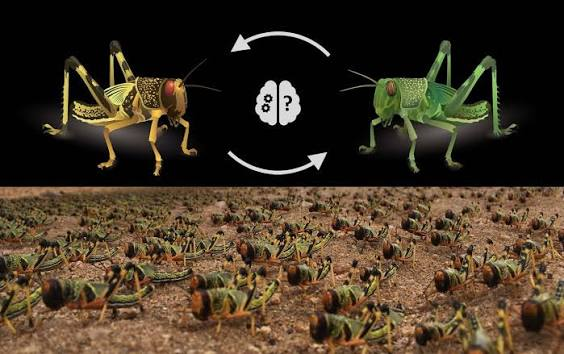
What makes the locust bug especially interesting is its ability to shift from a solitary phase into a gregarious, or social, phase. During this transformation, locusts may change their appearance, activity, and movement patterns. Instead of avoiding one another, they begin forming groups that can eventually develop into enormous swarms. This natural adaptation helps locusts survive changing environments but can create serious problems for agriculture.
Locust Bug Identification and Appearance
Locust bug identification becomes easier when you understand its most recognizable physical features. Adult locusts generally have elongated bodies, short antennae, two pairs of wings, and large muscular hind legs designed for powerful jumping. Depending on the species and life stage, their bodies may appear green, brown, tan, yellow, or a combination of several colors that help them blend into their surroundings.
Young locusts are commonly called hoppers or nymphs because they have not yet developed functional wings. They go through several molts before reaching adulthood. A mature locust bug may look similar to an ordinary grasshopper, making behavior particularly important for identification. Locusts that enter the gregarious phase often become more active, gather in large numbers, and travel together instead of remaining isolated within one habitat.
Locust Bug vs. Grasshopper and Cicada
Many people assume locusts and grasshoppers are completely different insects, but the relationship is much closer. Locusts are grasshoppers belonging to species capable of developing intense social and swarming behavior. Ordinary grasshoppers generally remain solitary throughout their lives, while certain locust species can respond to population density and environmental changes by forming coordinated groups that migrate in search of food and suitable breeding conditions.
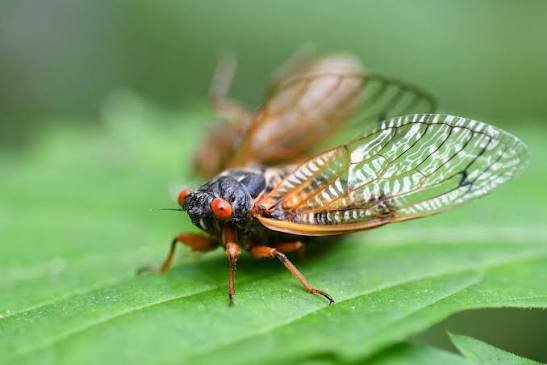
Another common source of confusion involves cicadas. In some areas of the United States, people casually refer to cicadas as locusts, although they belong to different insect groups. Cicadas are famous for their loud seasonal calls and feed primarily on fluids from plants. The locust bug, by comparison, chews leaves and other plant material and is capable of developing destructive swarms that can move across agricultural landscapes.
Do Locust Bugs Bite and Are They Dangerous?
A common question is whether a locust bug can bite humans. Locusts are herbivorous insects, meaning their natural diet consists mainly of plant material rather than blood or animal tissue. They do not normally attack people or actively seek humans as food. A locust that is handled may occasionally pinch or cause a minor scratch, but this behavior is uncommon and generally happens when the insect feels threatened.
The greater danger associated with locusts is not their interaction with humans but their potential effect on agriculture. Individual insects rarely create serious problems, while enormous swarms can consume significant quantities of vegetation. The locust bug is therefore considered an agricultural pest rather than a major human health threat. During major outbreaks, farmers may face crop losses, damaged pastureland, and considerable economic pressure.
Why Do Locust Bugs Form Massive Swarms?
Locust swarms develop when several environmental factors come together. Rainfall can create moist soil for egg laying while also encouraging rapid vegetation growth. These conditions provide abundant food, allowing populations to reproduce successfully. As numbers increase, locusts become crowded into smaller areas. Frequent physical contact between individuals can trigger behavioral changes that encourage them to remain together rather than separating from one another.
Once this transformation occurs, groups of immature locusts may move across the ground in organized bands. After developing wings, adults can form flying swarms and travel considerable distances with favorable winds. A single locust bug is relatively harmless to farmland, but millions feeding and moving together can become extremely destructive. This ability to migrate also means an outbreak can spread beyond its original breeding region.
What Do Locust Bugs Eat and Where Do They Live?
Locusts mainly eat vegetation, including grasses, leaves, stems, flowers, seedlings, and agricultural crops. Their individual food consumption may seem insignificant, but the combined appetite of a large swarm can be enormous. When millions of insects arrive in a productive farming area, they can rapidly consume vegetation that would otherwise provide food for people, livestock, or future crop production.
The locust bug can survive in several environments, although many important species are associated with grasslands, dry regions, semi-arid areas, and agricultural landscapes. Their populations often respond strongly to changing rainfall patterns. Dry conditions may keep numbers limited for long periods, while periods of rain can suddenly create excellent breeding habitat. Warm temperatures and fresh vegetation may then support several successful generations of population growth.
Locust Bug Life Cycle and Behavior
The locust bug life cycle begins when females deposit eggs in suitable soil. When moisture and temperature conditions are favorable, the eggs hatch into wingless nymphs known as hoppers. These young insects feed and grow while passing through several developmental stages. With each molt, their bodies become larger until they eventually develop wings and reach adulthood, allowing them to reproduce and travel much greater distances.
Behavior can vary dramatically depending on population density. Solitary individuals may avoid other locusts and remain within relatively limited areas. Crowded populations can behave differently, becoming more active and strongly attracted to one another. This unusual behavioral flexibility is one reason locusts have fascinated scientists for generations. It also explains why monitoring population growth is important for predicting potential agricultural outbreaks before major swarms develop.
Interesting Locust Bug Facts
One fascinating locust bug fact is that locusts do not need to become a completely different species to behave differently. The same species can display solitary or highly social behavior depending on environmental conditions. This transformation may also involve changes in body coloration, movement, feeding patterns, and interaction with other locusts, making their biology unusually flexible compared with many familiar insects.
Locusts also have a long relationship with human civilization. Historical records describe destructive swarms affecting farming communities for centuries, while some cultures have traditionally collected locusts as food. Their reputation may seem frightening, but individual insects are generally not aggressive toward humans. The greatest concern comes from their remarkable ability to gather in huge numbers and consume vegetation across large agricultural areas.
Conclusion
Understanding the locust bug means recognizing both its ordinary grasshopper characteristics and its extraordinary ability to develop swarming behavior. These insects have powerful jumping legs, wings, short antennae, and a plant-based diet. They generally pose little direct danger to people, although handling one may occasionally result in minor irritation or a harmless defensive pinch.
The real importance of the locust bug becomes clear during major population outbreaks. Favorable environmental conditions can turn scattered insects into large migrating swarms capable of damaging crops and pastureland. Learning about identification, feeding habits, life cycles, and swarm formation helps separate common myths from genuine concerns while providing a clearer understanding of one of nature’s most remarkable agricultural pests.
FAQs
What is a locust bug?
A locust is a type of short-horned grasshopper capable of changing from solitary behavior to social, swarming behavior when environmental conditions and population density encourage large groups to form.
Do locust bugs bite humans?
Locusts do not normally bite humans because they feed primarily on plants. An insect being handled may occasionally pinch or scratch defensively, but serious bites are not considered a typical concern.
Are locust bugs dangerous?
Individual locusts usually present little direct danger to people. Large swarms are dangerous mainly because they can consume crops, pasture, and other vegetation, potentially causing serious agricultural and economic losses.
Are locusts and cicadas the same insect?
No. Cicadas and locusts belong to different insect groups. Cicadas are well known for loud calls, while locusts are specialized grasshoppers capable of forming large, destructive traveling swarms.
What attracts locust bugs?
Locust populations often increase when rainfall produces fresh vegetation and suitable soil for breeding. Warm conditions, abundant food, and increasing population density can eventually encourage crowding and swarm formation.
You May Also Read: Michigan Map