

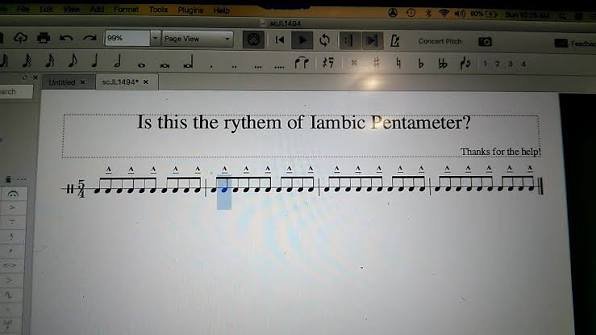
Iambic pentameter is one of the most recognized rhythmic patterns in English poetry and literature. It is a poetic structure that creates a natural flow by arranging stressed and unstressed syllables in a specific pattern. Many famous writers, especially William Shakespeare, used this rhythm to make poems and dramatic speeches sound balanced, expressive, and memorable. Understanding iambic pentameter helps readers explore how rhythm influences meaning, emotion, and storytelling in classic and modern poetry.
The popularity of iambic pentameter comes from its connection to natural human speech patterns. When spoken aloud, the rhythm often feels similar to a heartbeat because it follows a repeated unstressed and stressed beat. This musical quality allows poets to create lines that feel smooth while maintaining structure. From sonnets to stage plays, this poetic meter has remained an essential part of English literary traditions for centuries.
What Is Iambic Pentameter? Definition and Meaning
Iambic pentameter is a type of poetic meter that contains five iambic feet in each line. An iamb is a pair of syllables where the first syllable is unstressed and the second syllable receives emphasis. The word “pentameter” refers to the five repeated metrical units that appear in a single line of poetry. A typical line contains ten syllables arranged in a pattern that sounds like da-DUM, da-DUM, da-DUM, da-DUM, da-DUM.
The main purpose of iambic pentameter is to create rhythm and structure while allowing poets to express ideas naturally. Unlike simple rhyme patterns, this meter focuses on the movement and stress of words. Writers carefully choose vocabulary and syllable placement to maintain the desired rhythm. This balance between rules and creativity makes iambic pentameter a powerful tool for poetic expression.
How Iambic Pentameter Works and Creates Rhythm
The structure of iambic pentameter depends on the relationship between syllables and stress. Each line is divided into five sections called metrical feet, and each foot usually contains two syllables. The first syllable is softer, while the second syllable is stronger. When all five feet are combined, they create the familiar ten-syllable rhythm associated with this poetic form.
Reading iambic pentameter aloud is one of the easiest ways to understand how it works. The alternating beats create a steady movement that guides the reader through the poem. Although the pattern follows specific rules, skilled poets often make small adjustments to emphasize important words or create emotional effects. These variations make poetry feel more natural instead of sounding mechanical.
Rules and Features of Iambic Pentameter
The basic rules of iambic pentameter focus on syllable count, stress pattern, and the number of metrical feet. A standard line usually contains ten syllables divided into five iambs. The rhythm follows an unstressed-stressed pattern, creating five strong beats throughout the line. However, poets sometimes modify the pattern to improve expression, highlight meaning, or match the tone of the poem.
Another important feature of iambic pentameter is flexibility. While the traditional structure provides a foundation, great poets understand when to follow the pattern and when to break it. A slight change in rhythm can create surprise, tension, or emphasis. This combination of discipline and creativity is one reason why this poetic meter continues to influence writers around the world.
Famous Examples of Iambic Pentameter in Literature
Iambic pentameter became especially famous through Shakespeare’s plays and sonnets. Many of Shakespeare’s characters speak using this rhythm because it creates a natural conversational style while maintaining poetic beauty. Lines from works such as Romeo and Juliet, Macbeth, and Hamlet demonstrate how this meter can bring emotion and dramatic power to language.
Beyond Shakespeare, many other poets have used iambic pentameter to create memorable works. English poets adopted this structure because it provides a strong framework for exploring themes such as love, conflict, nature, and human experience. Its long history in literature shows how effective rhythm can be in shaping the way readers connect with poetry.
How to Identify Iambic Pentameter in a Poem
Identifying iambic pentameter requires paying attention to syllables and word stress. The first step is to count the syllables in a line and check whether there are around ten syllables. After counting, readers should listen for the alternating unstressed and stressed pattern that creates the five-beat rhythm.
Another helpful method is marking each syllable with symbols to show stress. Readers can divide the line into five groups and examine whether each group follows the iambic pattern. With practice, recognizing iambic pentameter becomes easier because the rhythm starts to feel familiar. Reading poetry aloud is often the best way to notice the natural movement of the meter.
How to Write Your Own Iambic Pentameter Lines

Writing iambic pentameter requires practice, patience, and attention to word choice. Writers should begin with a simple idea and then arrange words so that the syllables follow the correct rhythm. Choosing words with natural stress patterns helps create a smoother line that feels balanced when spoken.
A useful technique is to write a sentence first and then adjust the wording to fit the meter. Reading the line aloud can reveal whether the rhythm sounds natural or needs improvement. Although following the structure may seem challenging at first, practicing with different phrases helps writers develop a better understanding of poetic rhythm and expression.
Iambic Pentameter Compared With Other Poetic Meters
Iambic pentameter is only one type of poetic meter used in literature. Other forms include trochaic meter, anapestic meter, and free verse. Each structure creates a different rhythm and emotional effect. While iambic pentameter focuses on an unstressed-stressed pattern, other meters may reverse the order or use different numbers of syllables.
The unique strength of iambic pentameter is its ability to sound both artistic and conversational. It provides enough structure for organization while allowing writers to express complex thoughts naturally. This balance has helped it remain one of the most respected poetic forms in English literature.
Why Iambic Pentameter Still Matters Today
Iambic pentameter continues to be studied because it reveals the relationship between language, rhythm, and emotion. Students, writers, and poetry enthusiasts use this structure to understand how great literary works are created. Learning this meter also improves appreciation for the careful choices poets make when arranging words.
Even in modern writing, the principles behind iambic pentameter remain valuable. Understanding rhythm can help writers create stronger sentences, improve storytelling, and develop a deeper awareness of language. Although poetry styles continue to change, this classic meter remains an important part of literary education.
Conclusion
Iambic pentameter is a powerful poetic structure that combines rhythm, balance, and creativity. With five iambic feet and a traditional ten-syllable pattern, it creates a unique musical quality that has shaped English poetry for generations. From Shakespeare’s famous plays to modern literary studies, this meter continues to demonstrate how rhythm can transform ordinary words into meaningful expressions.
Learning iambic pentameter allows readers to understand the hidden patterns behind great poetry. It provides insight into how poets use syllables, stress, and structure to create emotional impact. Whether studying classic literature or writing original poems, understanding this poetic form opens the door to a deeper appreciation of language.
FAQs
What is iambic pentameter?
Iambic pentameter is a poetic meter with five iambs in a line, usually containing ten syllables with an unstressed-stressed rhythm.
Why is iambic pentameter used in poetry?
Iambic pentameter creates a balanced rhythm that makes poetry sound natural, musical, and expressive.
How many syllables are in iambic pentameter?
A traditional iambic pentameter line usually contains ten syllables arranged into five metrical feet.
Did Shakespeare write in iambic pentameter?
Yes, Shakespeare used iambic pentameter extensively in many plays and sonnets to create dramatic and natural dialogue.
How can I learn iambic pentameter easily?
Reading poems aloud and practicing syllable counting are effective ways to understand and recognize iambic pentameter.
You May Also Read: Middle Colonies Map