

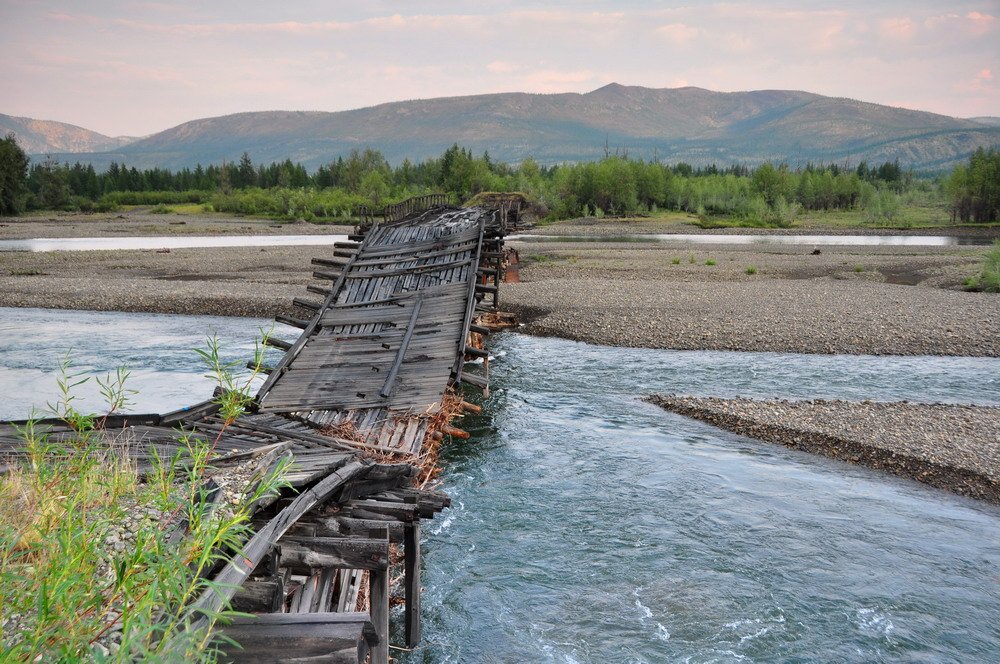
The Highway of Bones is the haunting nickname associated with Russia’s Kolyma Highway, a remote route crossing northeastern Siberia. The road is closely connected with the history of Soviet forced labor, gold mining, and the development of isolated communities during the twentieth century. Its reputation comes from the terrible conditions surrounding its construction, including extreme cold, exhausting labor, disease, hunger, accidents, and isolation. Today, the route remains a powerful symbol of Siberia’s difficult and complicated past.
The name has also attracted considerable attention because it sounds almost mythical. Yet the real history behind the road is significant without relying on sensational stories. Thousands of people passed through the wider Kolyma labor-camp system, while Soviet authorities developed transportation routes to support mining and economic activity. Understanding the Kolyma Highway therefore requires looking at both its physical landscape and the political system that shaped its construction.
Where Is the Highway of Bones Located?
The Highway of Bones is located in northeastern Siberia, within Russia’s Far East. It is associated with the Kolyma Highway and the modern R504 route, which serves remote areas around the Kolyma region. The landscape includes enormous forests, mountain ranges, rivers, frozen ground, and sparsely populated settlements. The route’s geographical isolation has always been one of its defining characteristics, making transportation difficult even with modern vehicles and equipment.
The Kolyma region lies far from Russia’s major population centers, and its communities are separated by huge distances. Historically, this isolation made roads essential for moving workers, supplies, machinery, fuel, and minerals. The modern highway has developed considerably compared with its Soviet-era predecessors, but the environment remains demanding. For anyone studying the Highway of Bones, geography is essential because the climate and terrain strongly influenced the region’s history.
The History of the Kolyma Highway
The history of the Kolyma Highway is closely connected to Soviet efforts to develop northeastern Siberia. During the Soviet period, authorities became increasingly interested in Kolyma because of its valuable mineral resources, particularly gold. Mining operations required reliable transportation, so roads and other infrastructure were developed to connect isolated mines with settlements, supply centers, and ports. This economic expansion transformed parts of a previously remote landscape.
Construction and development occurred under extremely difficult circumstances. The Soviet government relied heavily on the Gulag system to provide forced labor for projects in remote regions. Prisoners were assigned demanding work in mines, forests, transportation projects, and road construction. The combination of forced labor and severe environmental conditions created an exceptionally harsh existence. The road’s history consequently became inseparable from the wider history of Soviet repression and forced labor.
The Gulag and Forced Labor Behind the Road
The Gulag was a vast network of Soviet forced-labor camps that operated across the Soviet Union. Kolyma became one of its most notorious regions because prisoners were transported into an isolated environment where they were required to perform physically demanding work. Mining, construction, logging, transportation, and infrastructure development all depended heavily on laborers who had little control over their circumstances.
Conditions could be brutal. Workers faced freezing temperatures, inadequate food, exhausting schedules, poor shelter, disease, and limited medical assistance. The remoteness of Kolyma made these problems even more serious because help and supplies were difficult to obtain. The history of the Highway of Bones should therefore be understood as part of a much broader story about forced labor, political repression, and the human costs of Soviet economic development.
Why Is It Called the Highway of Bones?
The name Highway of Bones is commonly connected with stories about people who died during construction and were buried near the road or surrounding work areas. The combination of high mortality, remote camps, frozen ground, and difficult transportation contributed to the development of this grim reputation. Over time, the nickname became internationally recognized and helped turn the Kolyma Highway into one of Siberia’s most famous historical roads.
However, not every claim associated with the nickname can be independently confirmed. Modern accounts sometimes present dramatic statements about exact burial locations or enormous casualty figures without providing sufficient historical evidence. A careful article should separate documented facts from folklore. The human suffering associated with Kolyma was real and extensively documented, so there is no need to exaggerate uncertain details to explain why the road became known as the Highway of Bones.
The Extreme Conditions of Siberia
The natural environment was one of the greatest challenges facing anyone working in Kolyma. Winters are exceptionally severe, and temperatures can fall to levels that make outdoor labor extremely dangerous. Permafrost creates additional difficulties because permanently or seasonally frozen ground behaves differently from ordinary soil. Mountainous terrain, rivers, snow, and enormous distances further complicated the construction and maintenance of roads.
These conditions affected every part of daily life. Equipment could malfunction in extreme cold, transportation could become unreliable, and isolated work camps could be difficult to reach. Workers also faced exposure and exhaustion while completing physically demanding tasks. The environment did not create the political system responsible for forced labor, but it intensified the suffering experienced by people sent into this remote part of Siberia.
Kolyma Gold and Soviet Economic Expansion
Gold was central to the Soviet development of the Kolyma region. The discovery and exploitation of valuable deposits encouraged authorities to establish mines and expand transportation networks. Mining operations needed workers, machinery, fuel, food, tools, and other supplies, while extracted minerals had to be transported away from remote production areas. Roads therefore became a critical part of the economic system developing across Kolyma.
The connection between gold mining and transportation helps explain why the Soviet government invested enormous effort in such an isolated region. The Kolyma Highway was not simply a road crossing empty wilderness; it supported a broader network of mines, settlements, camps, and supply routes. Its history illustrates how natural resources can influence government priorities and how economic expansion can have profound human consequences when carried out through coercive labor systems.
Life Along the Kolyma Highway
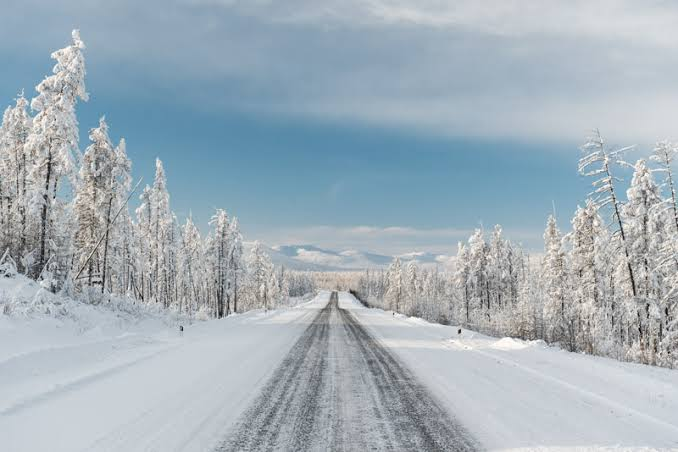
Life in the Kolyma region was shaped by isolation, climate, and dependence on transportation. Communities developed around mining operations and important roads, but settlements could remain hundreds of miles apart. During difficult seasons, travel could become slow or dangerous, making access to food, fuel, medical services, and other necessities dependent on reliable transportation.
Modern communities have access to technologies and infrastructure unavailable during the Soviet period, yet the environment remains demanding. Long distances and severe weather continue to influence everyday life. The contrast between past and present is important when discussing the Highway of Bones. The region should not be viewed only as a historical curiosity because people continue to live, work, and travel across this enormous Siberian landscape.
The Highway of Bones Today
The modern Kolyma Highway continues to provide transportation through northeastern Russia. Although sections have changed substantially over the decades, the road remains important for communities located across the remote Kolyma region. Its modern role is practical, connecting people with other settlements and providing access through a landscape where alternative transportation options can be limited.
The road has also become a subject of international historical and travel interest. Photographers, researchers, writers, documentary producers, and adventurous travelers are drawn to its combination of remote geography and dark history. However, modern interest should be balanced with respect for the people who suffered during the Soviet period. The Highway of Bones is a historical landscape, not merely an extreme travel destination.
History Versus Legend
The story of the Highway of Bones contains a mixture of documented history, oral accounts, journalism, and modern internet storytelling. Some claims about the road have become more dramatic as they have been repeated over the years. This makes source evaluation particularly important when researching the Kolyma Highway and its history.
Reliable historical evidence provides a strong foundation for understanding the region. The existence of Gulag camps, forced labor, mining operations, harsh conditions, and significant loss of life is well established. At the same time, precise claims about individual burial sites or total deaths should be presented cautiously when evidence is uncertain. Separating fact from legend makes the history more credible and meaningful.
Can You Travel the Highway of Bones?
Traveling portions of the modern Kolyma Highway is possible, but the region remains challenging for visitors. Long distances, unpredictable weather, limited services, difficult road surfaces, and mechanical problems can create serious risks. Anyone planning a journey through remote Siberia needs reliable transportation, sufficient fuel, emergency supplies, communication equipment, and current information about local conditions.
Historical tourism also requires sensitivity. Former labor-camp locations and memorial sites represent real human suffering and should be approached respectfully. Visitors who travel through the region can gain a deeper understanding of Siberian history by learning about the communities, workers, prisoners, and families connected to Kolyma rather than treating the route solely as a dangerous-road adventure.
Why the Highway of Bones Still Matters
The Highway of Bones remains significant because its history connects several major themes of twentieth-century Russia. It reflects Soviet industrialization, gold mining, forced labor, political repression, transportation development, and the enormous challenge of building infrastructure in remote Siberia. Few roads provide such a direct physical connection between economic ambition and human suffering.
Remembering this history also helps prevent the region from becoming merely a dramatic legend. The people who worked and died in Kolyma were individuals with families, hopes, and personal histories. Their experiences deserve careful attention. Studying the Highway of Bones can therefore provide a broader lesson about the consequences of political power, resource exploitation, and infrastructure projects carried out without respect for human dignity.
Conclusion
The Highway of Bones remains one of the most haunting names associated with Siberia. Its connection to the Kolyma Highway reflects a complicated history involving Soviet forced labor, gold mining, infrastructure development, extreme weather, and the transformation of one of the world’s most remote regions. While some stories surrounding the road have become legendary, the documented history is powerful enough to explain its lasting reputation.
Today, the Kolyma Highway serves modern transportation needs while also preserving a connection to a difficult chapter of Soviet history. Understanding its past requires more than repeating dramatic claims. It requires examining reliable evidence, recognizing uncertainty, and remembering the people affected by the Gulag system. In that sense, the road remains not only a remarkable engineering story but also a lasting reminder of human resilience and historical responsibility.
FAQs
What is the Highway of Bones?
The Highway of Bones is the nickname for Russia’s Kolyma Highway, known for its connection to Soviet forced labor and harsh Siberian conditions.
Where is the Highway of Bones?
It is located in northeastern Siberia, Russia, and is associated with the Kolyma region and the route toward Magadan and Yakutsk.
Why is it called the Highway of Bones?
The name comes from accounts connecting the road with people who died during its construction and were buried in the surrounding region.
Is the Highway of Bones still used?
Yes, the modern Kolyma Highway continues to serve remote communities and transportation needs in northeastern Russia.
Can you travel the Highway of Bones?
Parts of the modern route can be traveled, but extreme weather, long distances, difficult roads, and limited services make it challenging.
You May Also Read: Geistee