

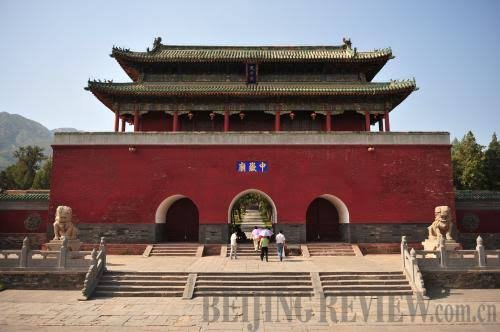
Han China Architecture represents one of the most influential periods in the history of ancient Chinese building design. Developed during the Han Dynasty from 206 BCE to 220 CE, this architectural style reflected the empire’s political strength, cultural values, and engineering expertise. Grand palaces, elegant residences, watchtowers, and monumental tombs demonstrated how architecture served practical, ceremonial, and symbolic purposes throughout the growing empire.
Today, Han China Architecture continues to inspire historians, architects, and students who study the origins of traditional Chinese design. Although many wooden buildings have disappeared over time, archaeological discoveries, historical writings, and preserved tomb models provide remarkable insight into Han construction methods. These valuable sources reveal how Han builders combined functionality, beauty, and harmony to create structures that influenced Chinese architecture for centuries.
The History of Han China Architecture
The Han Dynasty marked one of the most prosperous eras in Chinese history, creating favorable conditions for architectural innovation. Political stability, expanding trade routes, and economic growth encouraged the construction of impressive government buildings, imperial palaces, defensive walls, and thriving cities. As the empire expanded across Asia, architecture became an important symbol of imperial authority and cultural achievement.
The development of Han China Architecture was also shaped by the philosophical traditions of Confucianism and Daoism. These belief systems emphasized order, balance, respect for hierarchy, and harmony with nature. Architects incorporated these ideals into city planning and building layouts, ensuring that structures reflected both practical needs and deeper cultural values. These principles continued influencing Chinese architecture long after the Han Dynasty ended.
Key Characteristics of Han China Architecture
One of the defining characteristics of Han China Architecture was its sophisticated timber-frame construction. Skilled craftsmen created strong wooden frameworks using carefully fitted beams and columns without relying heavily on metal fasteners. This flexible construction method allowed buildings to withstand environmental changes while maintaining structural stability. Wide roof overhangs protected walls from rain and created the graceful appearance still associated with traditional Chinese architecture.
Symmetry played a central role in Han architectural planning. Important buildings were carefully arranged around central courtyards, creating organized spaces that reflected social order and balance. Decorative roof tiles, carved wooden brackets, painted surfaces, and ornamental details enhanced both beauty and function. Every architectural feature demonstrated careful planning, showing how aesthetics and engineering worked together to create lasting structures.
Famous Han Dynasty Buildings and Architectural Examples
Although few original Han Dynasty wooden buildings survive today, historical documents and archaeological excavations provide valuable evidence of their remarkable achievements. Imperial palaces served as political centers where emperors governed the vast empire, while administrative complexes supported the growing bureaucracy. Massive city walls, defensive towers, and fortified gates protected important urban centers and demonstrated advanced military engineering techniques.
Han Dynasty tombs remain among the most important sources for understanding Han China Architecture. Excavated burial chambers often contain miniature ceramic models of homes, towers, barns, wells, and courtyards that accurately represent everyday buildings. These detailed replicas help historians reconstruct ancient construction methods and reveal how architecture influenced both daily life and religious beliefs during one of China’s greatest historical periods.
Building Materials and Construction Techniques
Wood formed the foundation of most Han Dynasty buildings because it was abundant, durable, and easy for skilled craftsmen to shape into complex frameworks. Builders developed advanced joinery techniques that connected beams and columns securely without extensive use of nails. This construction method created flexible buildings capable of absorbing movement while remaining structurally sound for many years under varying environmental conditions.
Other important materials included rammed earth, brick, stone, and clay roof tiles. Rammed earth provided strong foundations and defensive walls, while bricks became increasingly common in tomb construction and important public structures. Decorative roof tiles improved weather resistance while adding artistic character to buildings. These engineering innovations allowed Han China Architecture to combine durability, efficiency, and visual elegance in ways that influenced later Chinese dynasties.
Art, Culture, and Symbolism in Han China Architecture

Architecture during the Han Dynasty extended far beyond simple construction because every building reflected cultural beliefs and artistic traditions. Decorative carvings featured dragons, phoenixes, mythical creatures, clouds, and geometric patterns that symbolized prosperity, protection, authority, and harmony. These artistic details transformed ordinary structures into meaningful cultural expressions that communicated the values and spiritual beliefs of ancient Chinese society.
Color selection, spatial organization, and decorative elements all carried symbolic importance. Important government buildings and imperial residences were carefully planned according to traditional principles emphasizing balance and respect for hierarchy. Through these thoughtful design choices, Han China Architecture successfully united engineering excellence with artistic creativity, producing buildings that served practical functions while expressing the cultural identity of the Han Empire.
How Han China Architecture Influenced Later Dynasties
The innovations introduced during the Han Dynasty became the architectural foundation for many later Chinese dynasties. Builders during the Tang, Song, Ming, and Qing periods continued using timber-frame construction, symmetrical layouts, and courtyard-centered designs first perfected during Han rule. Although styles evolved over time, the essential planning principles established during the Han era remained remarkably consistent throughout Chinese architectural history.
Religious architecture also benefited from Han engineering achievements. As Buddhism spread into China, temples and pagodas adopted many Han structural techniques while incorporating new religious symbolism. The influence of Han China Architecture extended well beyond its own historical period, shaping the appearance of imperial capitals, religious complexes, educational institutions, and residential neighborhoods for many centuries across East Asia.
Why Han China Architecture Still Matters Today
Modern scholars continue studying Han China Architecture because it offers valuable insights into ancient engineering, urban planning, and cultural development. Archaeological discoveries regularly uncover tombs, building foundations, pottery models, and construction materials that help researchers better understand the sophistication of Han society. These findings contribute significantly to the preservation of Chinese cultural heritage and provide valuable information for historians around the world.
Contemporary architects also find inspiration in Han design principles that emphasize balance, sustainability, and harmony with natural surroundings. Museums, universities, and cultural institutions preserve Han architectural models to educate future generations about China’s remarkable engineering achievements. By understanding Han construction techniques and design philosophy, modern audiences gain greater appreciation for one of the world’s oldest and most influential architectural traditions.
Conclusion
Han China Architecture represents an extraordinary achievement in the history of world architecture, combining technical innovation, artistic beauty, and cultural meaning into a unified design tradition. Through advanced timber construction, carefully planned courtyards, decorative craftsmanship, and practical engineering solutions, Han builders created structures that reflected the values and ambitions of one of history’s greatest civilizations. Their architectural legacy continues influencing Chinese design even today.
Studying Han China Architecture allows us to appreciate the remarkable creativity, engineering knowledge, and cultural sophistication of the Han Dynasty. Whether exploring archaeological discoveries, examining preserved architectural models, or learning about ancient Chinese history, readers can better understand how Han builders shaped the architectural identity of China. Their innovations remain an enduring symbol of human ingenuity and continue inspiring historians, architects, and students worldwide.
Frequently Asked Questions
What is Han China Architecture?
Han China Architecture refers to the architectural style developed during the Han Dynasty, characterized by timber-frame buildings, symmetrical layouts, and elegant roof designs.
What are the main characteristics of Han China Architecture?
Its main characteristics include wooden construction, central courtyards, curved roofs, decorative roof tiles, balanced layouts, and advanced joinery techniques.
What materials were used in Han Dynasty buildings?
The Han Dynasty mainly used wood, rammed earth, brick, stone, and clay roof tiles for constructing homes, palaces, tombs, and defensive structures.
Why is Han China Architecture historically important?
It established many architectural principles that influenced later Chinese dynasties and demonstrated advanced engineering, artistic craftsmanship, and urban planning.
Are any Han Dynasty buildings still standing today?
Most original wooden buildings have disappeared, but archaeological ruins, tombs, ceramicbuilding models, and historical records provide extensive knowledge about Han architectural design and construction.
You May Also Read: World War 2 Test