
A Geometry Compass is one of the most essential tools used in mathematics, technical drawing, and engineering. Although it has a simple design, it plays a significant role in creating accurate circles, arcs, and geometric constructions. Students, teachers, architects, and designers all rely on this practical instrument because it provides precision that cannot easily be achieved through freehand drawing.
From classrooms to professional drafting studios, the Geometry Compass continues to be a trusted instrument for producing clean and consistent shapes. Whether you are learning the basics of geometry or completing advanced construction projects, understanding how this tool works can improve your drawing accuracy and help you develop stronger mathematical skills.
What Is a Geometry Compass?
A Geometry Compass is a drawing instrument designed to create perfect circles, arcs, and precise geometric figures. It consists of two hinged legs connected at the top. One leg contains a sharp metal point that stays fixed on the paper, while the other holds a pencil or graphite lead that rotates around the center point to produce accurate circular shapes.
This traditional tool has been used for centuries in mathematics, engineering, architecture, and technical illustration. Despite advances in digital design software, the Geometry Compass remains highly valuable because it teaches fundamental construction techniques and helps users understand important geometric concepts through hands-on practice.
Common Uses of a Geometry Compass
The primary purpose of a Geometry Compass is to draw circles of different sizes with exceptional precision. It also creates smooth arcs, transfers measurements, and assists in constructing accurate geometric figures. These functions make it one of the most useful tools in both educational and professional environments where exact measurements are essential.
Beyond mathematics classrooms, professionals use a Geometry Compass in engineering, architecture, woodworking, and product design. Artists also appreciate its ability to create symmetrical patterns and decorative designs. Because of its versatility, the compass remains an important instrument across many industries that require careful planning and precise drafting.
Different Types of Geometry Compass
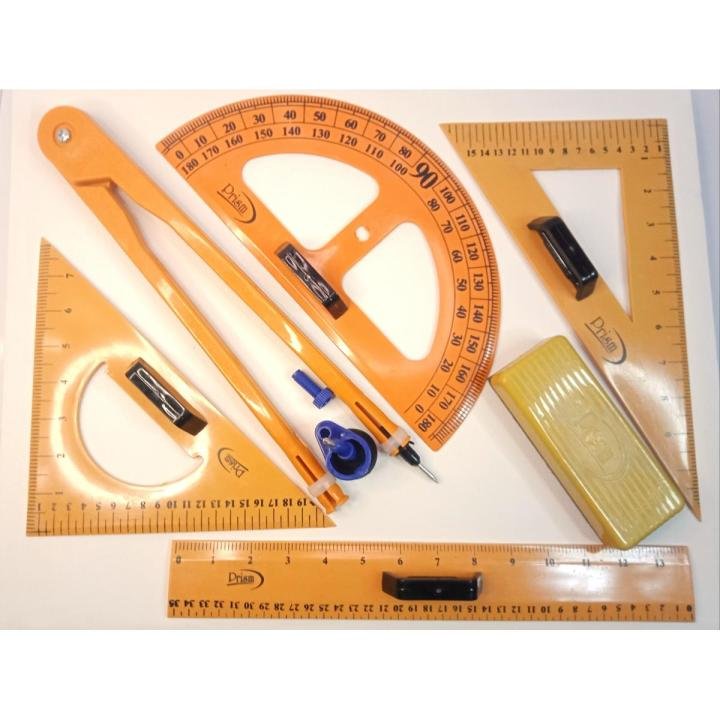
Several types of Geometry Compass are available, each designed for specific purposes. The standard pencil compass is the most common choice for students, while beam compasses are used for drawing larger circles. Bow compasses provide greater precision for detailed technical work, and divider compasses help transfer measurements without drawing lines.
Modern technology has also introduced digital versions that work with interactive geometry software and educational applications. While traditional metal compasses continue to offer excellent control and durability, digital alternatives provide convenient learning experiences for students studying geometry through computers, tablets, and mobile devices.
How to Use a Geometry Compass
Using a Geometry Compass correctly begins by adjusting the distance between the needle point and the pencil to match the desired radius. Place the sharp point firmly on the paper where the center of the circle should be. Hold the top handle securely and rotate the pencil smoothly around the fixed point while maintaining consistent pressure.
Avoid changing the width of the compass during rotation because even a slight movement can affect the accuracy of the circle. Practicing slow, controlled movements helps produce cleaner lines and improves confidence when completing more advanced geometric constructions. With regular practice, using a compass becomes both simple and highly effective.
Geometry Constructions Using a Compass
A Geometry Compass is an essential tool for constructing many important geometric figures. Students commonly use it to create perpendicular bisectors, angle bisectors, equilateral triangles, regular polygons, and circles with exact dimensions. These exercises help develop logical thinking while demonstrating the practical application of geometric principles.
Many classic geometry problems rely on both a straightedge and a Geometry Compass to complete accurate constructions without measuring tools. This traditional approach strengthens problem-solving skills and allows learners to understand relationships between angles, distances, and shapes through precise manual drawing techniques.
Geometry Compass Compared with Other Tools
Although a Geometry Compass is designed specifically for drawing circles and arcs, it works best when combined with other geometry instruments. A ruler helps create straight lines, while a protractor measures and draws accurate angles. Each tool has a unique purpose, and together they allow students and professionals to complete a wide range of geometric drawings with confidence and precision.
Another tool often confused with a compass is the divider. While both instruments look similar, a divider is mainly used to transfer distances or compare measurements rather than draw circles. Understanding the differences between these tools helps users select the correct instrument for each task and improves the quality of technical drawings and mathematical constructions.
Choosing the Best Geometry Compass
Selecting the right Geometry Compass depends on your experience level and the type of work you plan to complete. Students usually benefit from lightweight plastic models because they are affordable, easy to carry, and simple to adjust. Professionals, however, often prefer metal compasses because they provide greater durability, smoother movement, and improved accuracy during detailed drafting projects.
When purchasing a compass, consider features such as a secure hinge, a firm pencil holder, replaceable lead, and comfortable grip. A high-quality Geometry Compass should maintain its settings without slipping during use. Investing in a reliable tool ensures cleaner drawings, greater precision, and a longer lifespan, making it an excellent addition to any geometry kit.
Online Geometry Compass Tools
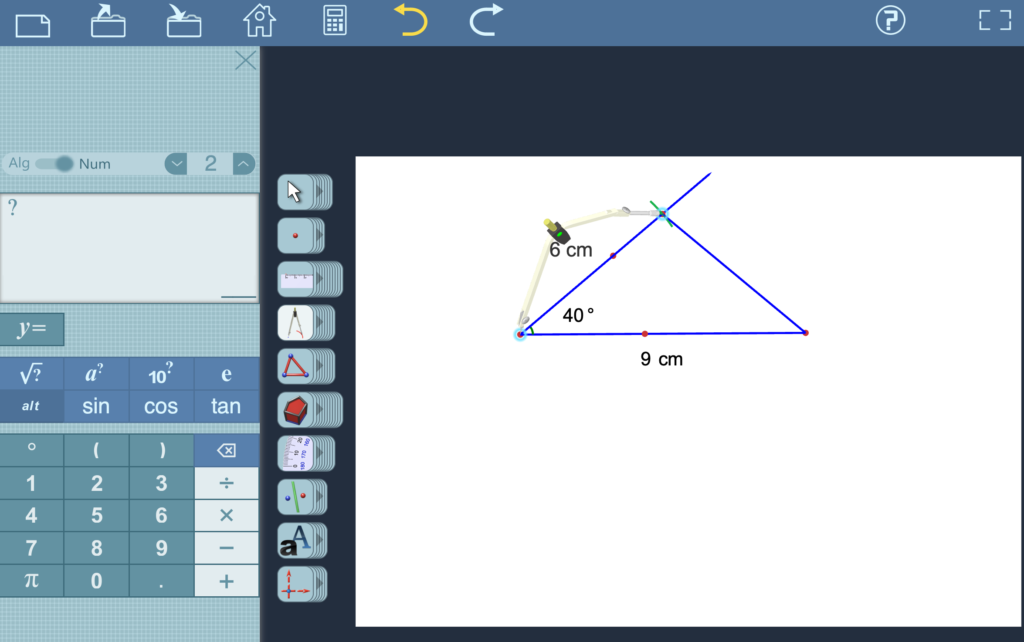
Technology has made learning geometry easier through interactive online Geometry Compass tools and educational applications. These digital resources allow users to draw circles, construct angles, and practice geometric concepts directly from a web browser or mobile device. They are especially useful for remote learning, classroom demonstrations, and students who do not have access to physical drawing instruments.
Many online geometry platforms also include rulers, protractors, and graph paper, creating a complete virtual workspace. These tools provide instant feedback and make experimenting with different constructions simple and enjoyable. While digital options are convenient, practicing with a physical Geometry Compass remains valuable because it develops practical drawing skills and hand-eye coordination.
Tips for Accurate Geometry Drawing
Accurate geometry drawing begins with proper preparation. Always sharpen the pencil before placing it in the Geometry Compass and ensure the hinge is tightened securely. Position the needle firmly on the paper without pressing too hard, as excessive force may damage the surface or cause the compass to slip during rotation.
Patience and consistent practice are equally important for achieving professional-looking results. Start with basic circles before attempting advanced constructions involving multiple arcs or intersecting lines. Checking measurements carefully and working slowly reduces mistakes while helping you build confidence. Over time, regular practice will improve both precision and speed when using a Geometry Compass.
Common Problems and Simple Solutions
Beginners sometimes experience uneven circles because the compass shifts while drawing. This problem can usually be solved by holding the top handle steadily and applying gentle, even pressure throughout the rotation. If the pencil becomes loose, tighten the holder before continuing to maintain consistent line quality and prevent inaccurate results.
Another common issue involves dull pencil lead or a worn needle point, both of which can reduce drawing accuracy. Replacing the lead regularly and keeping the metal point clean ensures smoother performance. Proper storage in a protective geometry case also prevents damage, helping your Geometry Compass remain reliable for years of classroom or professional use.
Conclusion
A Geometry Compass continues to be one of the most valuable tools for learning mathematics, creating technical drawings, and understanding geometric principles. Its ability to produce accurate circles, arcs, and constructions makes it indispensable for students, teachers, architects, engineers, and designers. Even in today’s digital world, this traditional instrument remains highly relevant because it teaches precision, patience, and problem-solving skills.
Whether you choose a classic metal model, a lightweight student version, or an interactive online tool, mastering the Geometry Compass will strengthen your drawing abilities and deepen your understanding of geometry. By practicing regularly and learning the proper techniques, you can create cleaner constructions, improve accuracy, and confidently complete a wide variety of mathematical and technical projects.
FAQs
What is a Geometry Compass used for?
A Geometry Compass is used to draw accurate circles, arcs, and geometric constructions. It is commonly used in mathematics, engineering, architecture, drafting, and technical drawing to create precise shapes and measurements.
How does a Geometry Compass work?
A Geometry Compass works by fixing one pointed leg on the paper while the pencil leg rotates around it. This movement creates perfect circles or arcs with a consistent radius.
What are the different types of Geometry Compass?
Common types include the standard pencil compass, beam compass, bow compass, divider compass, and digital compass. Each type is designed for specific drawing tasks and levels of precision.
Can beginners learn to use a Geometry Compass easily?
Yes. With a little practice, beginners can quickly learn how to adjust the radius, position the needle correctly, and draw smooth circles using a Geometry Compass.
Are online Geometry Compass tools useful?
Yes. Online Geometry Compass tools are excellent for learning, practicing constructions, and completing geometry assignments. They provide an interactive environment while helping users understand important mathematical concepts.
You May Also Read: 3D Geometry Dash