

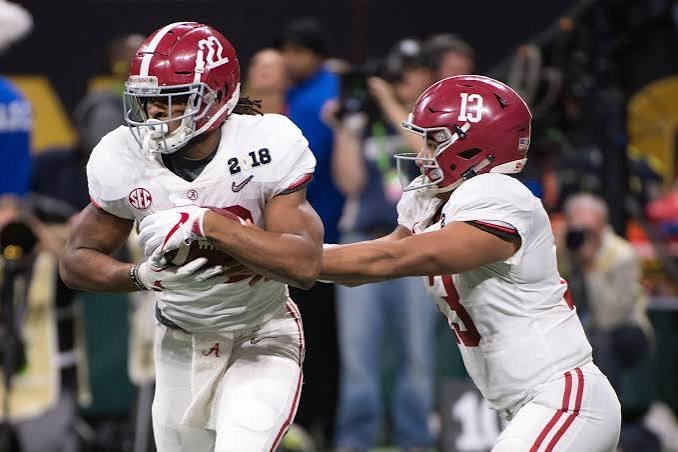
Football RPO has become one of the most important offensive concepts in modern American football. The term RPO stands for Run-Pass Option, a strategy that allows an offense to combine a running play and a passing opportunity within the same formation. Instead of following a predetermined outcome, the quarterback analyzes the defense and makes a quick decision based on how specific defenders react after the snap.
The growth of football RPO systems has changed how coaches design offensive schemes at the college and professional levels. By forcing defenders to defend multiple possibilities at the same time, RPO plays create uncertainty and open opportunities for explosive gains. These concepts have become especially popular because they help offenses create balance between rushing attacks and quick passing games.
What Is Football RPO?
Football RPO is an offensive play design that gives the quarterback the ability to choose between handing the ball to a running back or throwing a quick pass. The decision is usually based on the movement of a specific defender called the conflict player. This defender must decide whether to stop the run or protect against a passing option, creating a difficult challenge for the defense.
The main purpose of an RPO is to attack defensive weaknesses by making the defense reveal its intentions. If a linebacker moves toward the running lane, the quarterback can throw behind that defender. If the defender drops into coverage, the quarterback can allow the running play to continue. This simple decision-making process creates a powerful advantage for well-prepared offenses.
How Does Football RPO Work?
A football RPO begins with a formation that looks similar to a traditional running play. The offensive line prepares for the run concept, the running back approaches the handoff point, and receivers begin their assigned routes. The appearance of a normal running play forces defenders to react quickly before knowing whether the offense will run or pass.
After the snap, the quarterback reads a specific defender. This player is usually a linebacker, safety, or edge defender responsible for controlling both the running and passing threats. The quarterback observes the defender’s movement and chooses the best option. A defender attacking the running back creates a passing opportunity, while a defender protecting the pass creates space for the running game.
Key Components of Football RPO Plays
Successful football RPO plays require every offensive player to understand their assignment. The quarterback, running back, offensive line, and receivers must work together because a mistake from one player can affect the entire play. Unlike simple running or passing plays, RPO concepts depend heavily on timing and communication.
The quarterback has the most important role because they must quickly identify the correct read and make the right decision. The running back must sell the running action and follow blocking lanes effectively. Receivers need to run accurate routes and create separation while also helping with blocking responsibilities when required.
The offensive line must execute precise blocking techniques while following RPO rules. Since the play can become a pass, linemen must avoid moving too far downfield before the quarterback releases the ball. Proper execution requires extensive practice and strong understanding between coaches and players.
Common Types of Football RPO Plays
There are several popular football RPO variations used by teams at different levels. Each type is designed to attack specific defensive structures and create opportunities based on how defenders position themselves. Coaches choose different RPO concepts depending on their offensive strengths and the weaknesses they identify in opponents.
The inside zone RPO is one of the most commonly used designs. It combines an inside running play with a quick passing option, usually targeting a linebacker who must choose between stopping the run and covering a receiver. This creates situations where the quarterback can make a simple but effective decision.
Another popular concept is the bubble screen RPO, which attacks defenders positioned outside the formation. If the defense places too many players near the middle of the field, the quarterback can quickly throw to a receiver with open space. Slant RPOs and glance route RPOs are also frequently used to take advantage of aggressive linebackers and safeties.
Football RPO Rules and Penalties
Understanding football RPO rules is important because these plays combine running and passing actions. One of the biggest challenges involves offensive line movement. Since the offensive line often blocks as if the play is a run, players must be careful not to move too far beyond the line of scrimmage if the quarterback decides to throw.
The illegal man downfield penalty is one of the most common concerns with RPO plays. Offensive linemen cannot advance too far before a pass is released because they would gain an unfair advantage by blocking downfield before the ball is thrown. Quarterbacks must also make quick decisions to ensure the play remains legal.
Coaches spend significant time teaching players the correct timing and responsibilities of RPO systems. Even a small mistake in communication or execution can result in a penalty or a missed opportunity. Proper practice allows teams to use RPO concepts effectively while staying within the rules.
Football RPO vs Play Action and Read Option
Football RPO is often compared with play action and read option plays because all three concepts involve deception and defensive decision-making. However, each strategy has different goals and mechanics. Understanding these differences helps explain why RPO has become such a popular offensive tool.
Play action is designed to make defenders believe a running play is happening before the quarterback throws a planned pass. The quarterback usually does not have the option to continue the run. Instead, the fake is used to create open passing lanes by moving defenders away from their coverage responsibilities.
Read option plays focus mainly on the running game. The quarterback decides whether to hand the ball to the running back or keep it and run based on one defender’s reaction. Football RPO adds another layer by allowing the quarterback to choose between running and passing, making it more difficult for defenses to predict the outcome.
Why Teams Use Football RPO Strategies
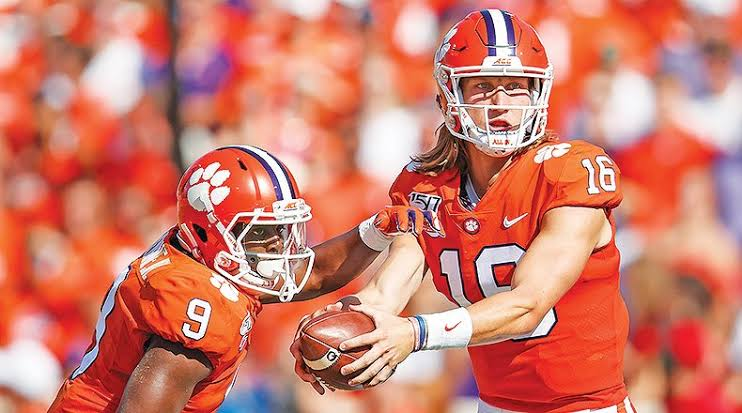
Teams use football RPO strategies because they create pressure on defensive players and force them to make difficult choices. A defense that focuses heavily on stopping the run can become vulnerable to quick passes, while a defense that protects against passing routes may leave open running lanes.
One major advantage of RPO systems is efficiency. Quarterbacks can often make easier reads because the play design naturally highlights defensive mistakes. Instead of forcing a difficult throw or relying on a single offensive action, the quarterback chooses the option that best attacks the defense.
RPO concepts are especially valuable in spread offenses where teams use wide formations to create space. By spreading defenders across the field, offenses can create one-on-one situations and give quarterbacks more opportunities to make successful decisions.
Challenges and Limitations of Football RPO
Although football RPO plays provide many advantages, they also require excellent preparation and execution. The quarterback must process information quickly, and a wrong decision can lead to negative results. Poor reads may cause turnovers, lost yardage, or missed scoring opportunities.
Offensive players must also understand the timing of each play. Receivers, running backs, and linemen must know exactly what their responsibilities are before the ball is snapped. A small mistake in blocking or route execution can completely change the outcome of the play.
Defenses have also developed strategies to slow down RPO attacks. Defensive coordinators may disguise coverages, change player responsibilities, or create pressure situations that force quarterbacks into difficult decisions. Successful RPO offenses must constantly adjust and improve their strategies.
How Quarterbacks Read Defenses in RPO Plays
Quarterback decision-making is the foundation of every successful football RPO system. Before the snap, quarterbacks analyze defensive formations, player alignment, and possible coverage schemes. This preparation helps them identify which defender will become the key read during the play.
After the snap, the quarterback watches the conflict defender’s movement. If that defender commits toward the running game, the quarterback usually throws the ball to the available receiver. If the defender protects the passing option, the quarterback allows the running play to develop.
Great RPO quarterbacks combine athletic skills with football intelligence. They understand defensive tendencies, recognize patterns, and make quick decisions under pressure. Their ability to read the field determines how effective an RPO offense can become.
Conclusion
Football RPO has transformed offensive football by combining running and passing decisions into one flexible strategy. It allows quarterbacks to attack defensive weaknesses while forcing defenders to protect multiple areas of the field. This creates more opportunities for successful plays and keeps defenses from becoming predictable.
As football continues to evolve, RPO concepts will remain an important part of offensive playbooks. From college programs to NFL teams, coaches continue using these strategies to improve efficiency, create mismatches, and develop smarter quarterback decision-making. Understanding football RPO provides fans with a deeper appreciation of modern offensive football.
Frequently Asked Questions
What does RPO mean in football?
RPO means Run-Pass Option, an offensive play where the quarterback chooses between a run and a pass.
How does a football RPO work?
The quarterback reads a defender and decides whether to hand the ball off or throw a quick pass.
What defender does the quarterback read in an RPO?
The quarterback usually reads a linebacker, safety, or edge defender responsible for stopping multiple threats.
What is the difference between RPO and play action?
RPO gives the quarterback a real run-or-pass choice, while play action uses a fake run before a planned pass.
Are RPO plays used in the NFL?
Yes, many NFL teams use RPO concepts to create offensive advantages and challenge defensive schemes.
You May Also Read: 3 Park Avenue New York NY