

Tudor-style houses have remained one of the most admired architectural styles for decades because of their timeless beauty and unmistakable character. Inspired by homes built during England’s Tudor period, these residences combine elegant craftsmanship with practical design. Their unique appearance, rich history, and welcoming atmosphere continue to attract homeowners, architects, and design enthusiasts across the United States who appreciate classic homes with lasting appeal.
Today, tudor-style houses are valued for much more than their historical significance. Modern homeowners appreciate how these homes blend traditional architectural elements with updated interiors and contemporary conveniences. Whether you are planning to purchase, renovate, or simply learn about this classic home style, understanding its history and defining characteristics provides valuable insight into one of America’s most beloved architectural designs.
What Are Tudor-Style Houses?
Tudor-style houses are residential homes inspired by the architecture that flourished in England during the late fifteenth and early sixteenth centuries. Although modern versions have evolved over time, they continue to preserve the distinctive features that made the original homes famous. These properties are instantly recognizable because of their steep roofs, decorative timber framing, brick or stucco walls, and elegant stone details that create a warm, storybook appearance.
In the United States, tudor-style houses became especially popular during the Tudor Revival movement of the early twentieth century. Architects adapted traditional English designs to meet American lifestyles while maintaining their historical charm. As a result, many neighborhoods across the country feature beautiful Tudor homes that combine old-world craftsmanship with practical layouts designed for comfortable family living.
History of Tudor-Style Houses
The architectural roots of tudor-style houses trace back to England’s Tudor dynasty, which ruled from 1485 to 1603. During this period, builders relied on locally available materials such as timber, stone, and brick to create durable homes with distinctive decorative details. Their craftsmanship reflected both practicality and artistic expression, producing residences that have influenced architectural design for centuries.
During the early twentieth century, American architects introduced Tudor Revival homes as part of a growing appreciation for European architecture. Wealthy homeowners embraced the style because it represented elegance, stability, and traditional craftsmanship. As suburban communities expanded, tudor-style houses became increasingly popular, establishing themselves as one of the most recognizable historic-inspired home styles throughout the United States.
Exterior Features of Tudor-Style Houses
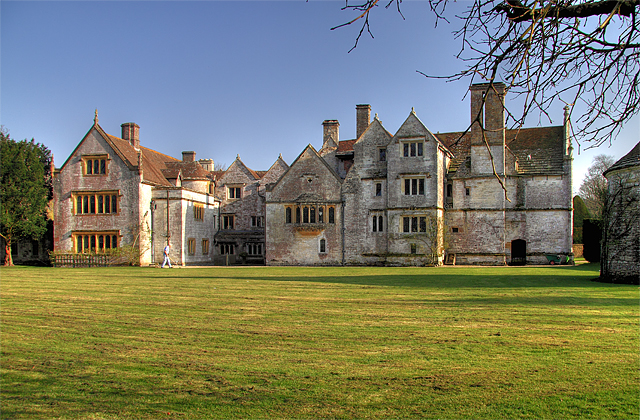
The exterior appearance is one of the defining characteristics of tudor-style houses. Steeply pitched gable roofs create dramatic rooflines, while decorative half-timber framing contrasts beautifully against light-colored stucco or brick walls. Large chimneys, arched entryways, and asymmetrical façades add visual interest, giving each home a unique personality that reflects traditional English architecture.
Another distinguishing feature is the use of tall, narrow windows with multiple panes, often arranged in attractive geometric patterns. Stone accents, heavy wooden front doors, and carefully crafted masonry further enhance the home’s authentic appearance. Together, these design elements create an inviting exterior that combines elegance, durability, and historical character, making Tudor homes stand out in any residential neighborhood.
Interior Design of Tudor-Style Houses
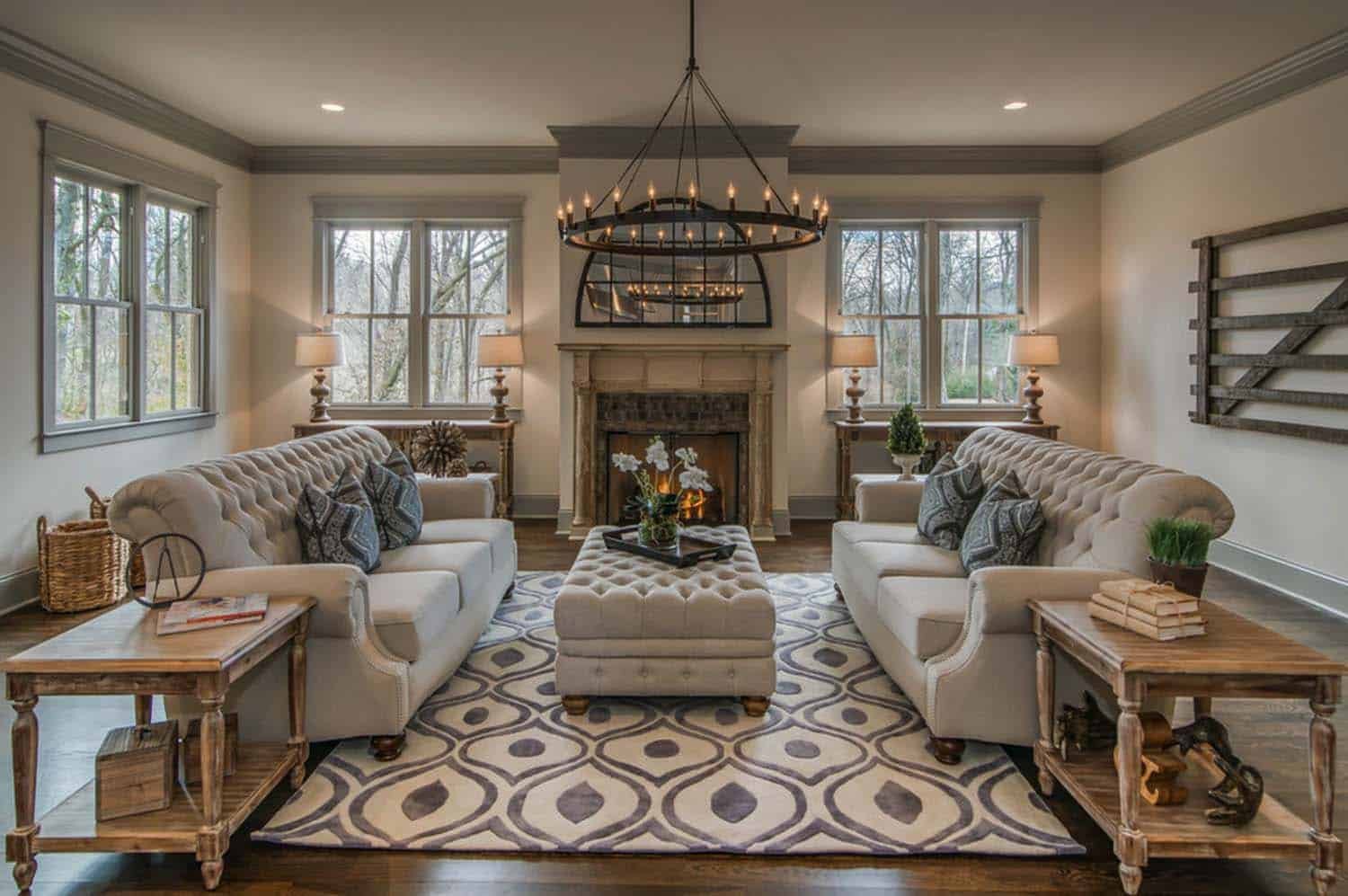
Inside, tudor-style houses offer warm, comfortable interiors that celebrate traditional craftsmanship and natural materials. Exposed wooden ceiling beams, handcrafted staircases, hardwood flooring, and large fireplaces create an inviting atmosphere filled with timeless charm. Rich wood finishes and carefully selected architectural details contribute to a sense of elegance while maintaining the cozy environment that defines classic Tudor living.
Modern homeowners often update Tudor interiors with improved lighting, contemporary kitchens, and energy-efficient features without sacrificing the home’s historic character. Neutral color palettes, comfortable furnishings, and tasteful decorative accents allow traditional architecture to blend seamlessly with modern lifestyles. This balance between history and functionality makes Tudor homes both beautiful and practical for today’s families.
Different Types of Tudor-Style Houses
Tudor-style houses come in several variations, each reflecting a different interpretation of the classic English architectural tradition. Traditional English Tudor homes remain the closest to the original design, featuring heavy timber framing, steep roofs, and handcrafted masonry. Tudor Revival homes, which became popular in the United States during the early twentieth century, adapted these historical features while offering more spacious layouts and modern construction techniques.
Modern Tudor-inspired homes continue to evolve by blending traditional exteriors with contemporary interiors. Many new designs feature open floor plans, larger kitchens, improved insulation, and energy-efficient materials while preserving iconic elements such as decorative half-timbering and tall chimneys. This combination allows homeowners to enjoy the timeless beauty of tudor-style houses without sacrificing modern comfort and convenience.
Benefits of Tudor-Style Houses
One of the greatest advantages of tudor-style houses is their lasting curb appeal. Their distinctive architecture immediately attracts attention and creates a strong sense of character that many modern home styles cannot match. Quality building materials, detailed craftsmanship, and elegant proportions contribute to a home that feels both luxurious and welcoming, making Tudor properties highly desirable in many residential communities.
Beyond appearance, tudor-style houses provide excellent long-term value. Their unique architectural identity often helps maintain strong resale demand among buyers seeking homes with personality and historical charm. Spacious interiors, durable construction, and flexible renovation opportunities allow homeowners to enjoy comfortable living while preserving a property that remains attractive for generations to come.
Common Challenges and Maintenance Tips
Like many historic-inspired homes, tudor-style houses require consistent maintenance to preserve their beauty and structural integrity. Steep roofs, decorative timber framing, brick chimneys, and stucco surfaces should be inspected regularly for signs of weather damage or aging. Addressing minor issues early helps prevent expensive repairs while protecting the home’s original architectural details from unnecessary deterioration.
Proper maintenance also includes cleaning exterior materials, sealing masonry, repainting exposed wood, and maintaining windows and roofing systems. Homeowners should work with contractors who understand traditional construction methods to ensure repairs match the original design. Regular care keeps tudor-style houses looking elegant while extending their lifespan and protecting their long-term property value.
Buying or Renovating Tudor-Style Houses
Purchasing tudor-style houses requires careful evaluation of both structural condition and historical features. Buyers should inspect the roof, foundation, plumbing, electrical systems, insulation, and chimney before making a final decision. A professional home inspection helps identify hidden problems and provides valuable information about future maintenance requirements and renovation opportunities.
Renovating a Tudor home should focus on preserving its architectural character while introducing practical modern improvements. Many homeowners update kitchens, bathrooms, heating systems, and lighting without removing original woodwork or decorative features. Thoughtful renovations improve everyday comfort while maintaining the timeless elegance that makes Tudor homes so distinctive and valuable.
Modern Trends in Tudor-Style Houses
Today’s tudor-style houses successfully combine traditional architecture with contemporary living standards. Open-concept layouts, larger windows, smart home technology, and energy-efficient appliances are becoming increasingly common while maintaining the classic exterior appearance. These thoughtful upgrades improve daily living without compromising the home’s historic charm or architectural identity.
Sustainability has also become an important trend in Tudor home design. Modern insulation, environmentally friendly building materials, solar technology, and efficient heating systems help reduce energy consumption while preserving traditional craftsmanship. This balance between innovation and heritage allows homeowners to enjoy classic architecture with greater comfort, lower operating costs, and improved environmental responsibility.
Conclusion
Tudor-style houses remain one of the most admired architectural styles because they combine rich history, exceptional craftsmanship, and timeless design. Their steep roofs, decorative half-timbering, elegant masonry, and inviting interiors create homes that continue to inspire homeowners, architects, and designers throughout the United States. Few architectural styles offer such a perfect balance between historical character and everyday functionality.
Whether you are considering purchasing, renovating, or simply learning about tudor-style houses, understanding their history, architectural features, and maintenance requirements is essential. With proper care and thoughtful modernization, these beautiful homes can preserve their unique character while meeting the needs of modern families. Their enduring popularity demonstrates that classic design never goes out of style.
FAQs
What makes tudor-style houses unique?
Tudor-style houses are known for their steeply pitched roofs, decorative half-timbering, brick or stucco exteriors, tall chimneys, narrow multi-pane windows, and charming medieval-inspired architectural details that create a timeless appearance.
When did Tudor-style houses become popular in the United States?
They became widely popular during the Tudor Revival movement in the early twentieth century, when American architects adapted traditional English designs for modern suburban homes.
Are tudor-style houses expensive to maintain?
Maintenance can cost more than newer homes because historic materials, decorative timber, chimneys, and steep roofing systems require regular inspections and specialized repairs to preserve their appearance.
Can Tudor homes be modernized without losing their character?
Yes. Many homeowners update kitchens, bathrooms, insulation, lighting, and heating systems while preserving original architectural features, allowing the home to remain historically authentic and comfortable.
Are tudor-style houses energy efficient?
Older Tudor homes may require insulation improvements and modern windows, but thoughtful renovations can significantly improve energy efficiency while maintaining the home’s classic architectural design.
Are tudor-style houses a good investment?
Yes. Their timeless architectural appeal, distinctive appearance, and strong buyer demand often help maintain long-term property value, making them an attractive choice for homeowners seeking both beauty and durability.
You May Also Read: 复杂有机分子合成