

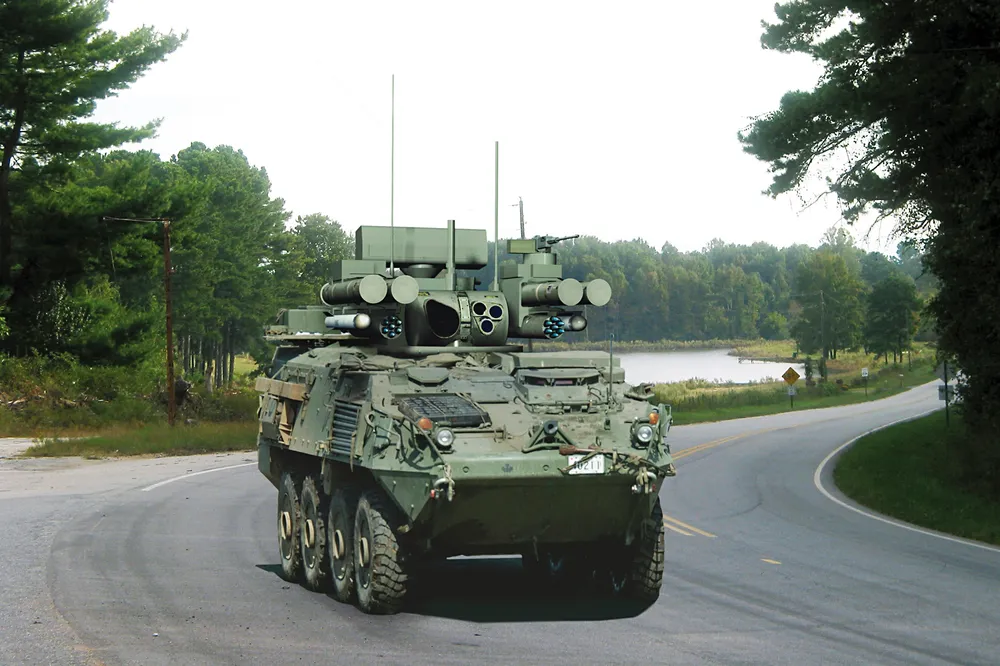
The ADATS (Air Defense Anti-Tank System) is one of the most unique missile platforms developed to handle multiple battlefield threats. Unlike conventional defence systems designed for only one purpose, ADATS combines anti-aircraft and anti-armour capabilities in a single mobile platform. It was created to protect ground forces from enemy aircraft, helicopters, and armoured vehicles while providing commanders with a flexible weapon system for different combat situations.
The concept behind ADATS was based on the growing need for advanced battlefield protection during the Cold War era. Military forces required a system that could quickly respond to low-flying aircraft while also having the ability to defeat heavily protected ground targets. With its advanced sensors, guided missiles, and mobile design, ADATS became an important example of how military technology was evolving to meet modern warfare challenges.
What Is ADATS? Air Defense Anti-Tank System Explained
ADATS stands for Air Defense Anti-Tank System, a specialised missile platform designed to engage both aerial and ground-based threats. The system uses advanced detection equipment and precision-guided missiles to identify and destroy targets from a distance. Its dual-purpose design makes it different from traditional air defence vehicles because it can perform both anti-aircraft and anti-tank missions effectively.
The main purpose of ADATS is to provide short-range battlefield protection for military units operating in dangerous environments. It can target helicopters, aircraft, and armoured vehicles, allowing forces to defend themselves against different types of attacks. This combination of abilities made the system attractive to military planners looking for a versatile solution that could reduce the need for separate anti-aircraft and anti-tank platforms.
ADATS Development History and Military Background
The development of ADATS began during the 1980s when defence organisations were searching for more advanced methods to protect ground forces. At that time, helicopters and low-altitude aircraft were becoming major battlefield threats, creating a demand for faster and more accurate defence systems. Engineers designed ADATS to combine missile technology, mobility, and targeting systems into one powerful platform.
The system was developed through cooperation between defence companies and military organisations, with Canada becoming one of its primary operators. The Canadian Armed Forces used ADATS as part of their air defence capabilities, recognising its ability to support ground operations. However, despite its advanced features, the system faced challenges due to changing defence strategies, high costs, and limited international adoption.
ADATS Missile System Features and Capabilities
The ADATS missile system uses the MIM-146 missile, which was designed for high-speed precision attacks against both air and ground targets. The missile uses laser-guided technology, allowing operators to track and engage fast-moving threats with improved accuracy. This advanced guidance system gave ADATS an advantage over older weapon platforms that relied on less precise targeting methods.
One of the most impressive features of ADATS is its ability to attack different types of enemies using the same missile system. It can engage helicopters flying at low altitudes, aircraft approaching battlefield areas, and armoured vehicles moving on the ground. This multi-role capability made ADATS a highly flexible weapon system that could support different military missions without requiring separate equipment.
ADATS Vehicle Platform and M113-Based Design
The ADATS platform was built on a modified M113 armoured vehicle chassis, providing mobility and battlefield reliability. The M113 was already a widely used military vehicle, making it a practical foundation for adding advanced missile technology. The tracked vehicle design allowed ADATS to move across different terrains while supporting ground forces during combat operations.
The vehicle included a specialised turret system equipped with missile launchers, sensors, and targeting equipment. These features allowed operators to detect threats and respond quickly during dangerous situations. Although the armour protection of the platform was limited compared with modern combat vehicles, its mobility and advanced weapons made it a valuable support system on the battlefield.
ADATS in War Thunder: Gameplay, Performance and Strategy Guide
ADATS has gained significant popularity among gaming communities, especially among players of War Thunder who enjoy advanced military vehicles and realistic combat experiences. In the game, ADATS is recognised as a powerful high-tier vehicle that combines air defence and anti-tank abilities. Its guided missiles allow players to engage enemy aircraft, helicopters, and ground vehicles, making it a valuable support option during intense battles.
The strength of ADATS in War Thunder comes from its flexibility and long-range engagement capability. Players can use it to defend against enemy aircraft while also supporting their team by attacking armoured targets. However, effective use requires careful positioning because the vehicle has limited armour protection and can be vulnerable when facing direct attacks from enemy tanks.
Strengths and Weaknesses of ADATS in Combat
One of the biggest strengths of ADATS is its ability to perform multiple combat roles with a single platform. Many air defence vehicles are designed only to fight aircraft, but ADATS provides additional anti-tank capability through its powerful guided missiles. This makes it useful in situations where battlefield conditions change quickly and commanders need a system that can respond to different threats.
Despite its impressive features, ADATS also has several limitations. The vehicle does not have the heavy armour protection found on main battle tanks, meaning it must rely on distance and positioning for survival. Operators need to carefully choose engagement locations and avoid unnecessary exposure during combat operations to maximise the system’s effectiveness.
ADATS Compared With Other Air Defence Systems
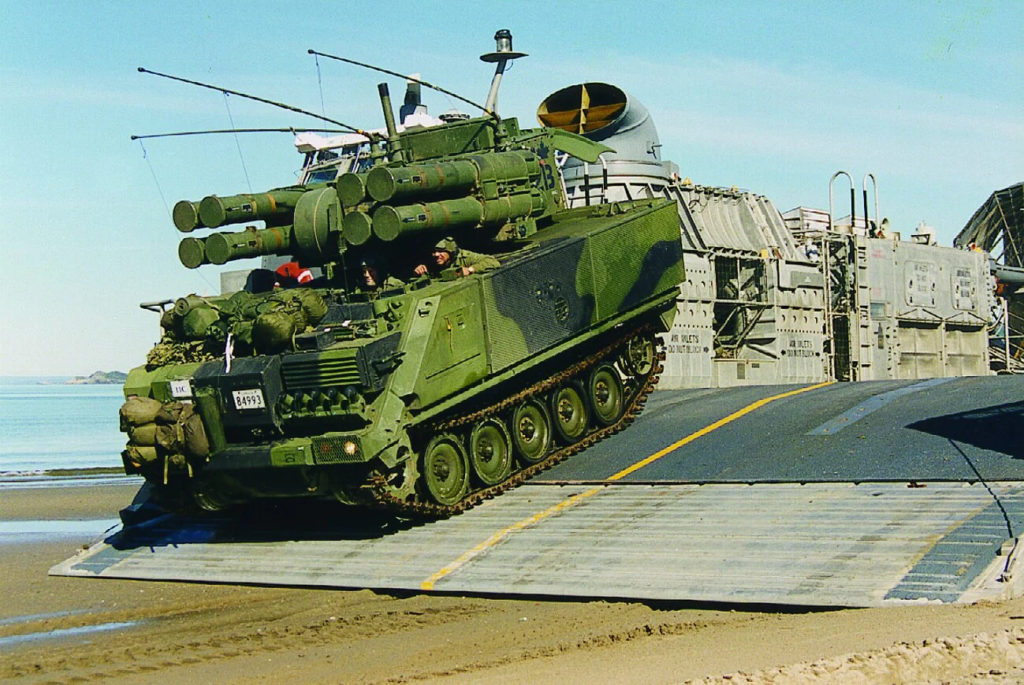
When compared with other air defence platforms, ADATS stands out because of its unique combination of anti-aircraft and anti-armour capabilities. Systems such as Roland and Tunguska are highly effective against aircraft, but ADATS offers additional flexibility by allowing operators to attack enemy ground vehicles as well. This dual-purpose design gives it a different role on the battlefield.
Modern air defence technology has continued to develop with newer sensors, missiles, and automated systems. However, ADATS remains an interesting example of innovative military engineering because it attempted to solve multiple battlefield problems with one vehicle. Its design shows how defence manufacturers explored ways to create more adaptable and efficient combat systems.
Why ADATS Remains Popular Among Military and Gaming Communities
The continued interest in ADATS comes from its unique history and unusual design. Military enthusiasts often study the system because it represents an important period in defence technology development. Its ability to combine two different combat functions in one platform makes it a fascinating subject for those interested in military vehicles and missile systems.
Gaming communities have also helped maintain the popularity of ADATS through realistic combat games such as War Thunder. Players appreciate its challenging gameplay style, powerful missiles, and ability to influence battles when used correctly. The vehicle offers a different experience compared with traditional tanks because it requires strategic thinking and careful target selection.
The Future and Legacy of ADATS Technology
Although ADATS was not produced on a large scale and many modern systems have replaced its role, its technological ideas remain important. The concept of combining air defence and anti-tank capabilities continues to influence discussions about future battlefield systems. Modern militaries still look for flexible platforms that can respond to multiple threats efficiently.
The legacy of ADATS demonstrates how defence technology evolves based on changing warfare requirements. While newer missile systems may offer improved performance, ADATS remains a memorable example of a multi-purpose weapon platform. Its history provides valuable insight into the challenges of creating advanced military equipment during periods of rapid technological change.
Conclusion
ADATS remains one of the most interesting missile systems developed for modern battlefield operations. Its combination of air defence and anti-tank capabilities created a unique platform capable of handling different threats. From its Cold War origins to its appearance in War Thunder, the system continues to attract attention from military experts, historians, and gaming communities.
The story of ADATS shows the importance of innovation in military technology. Although the system had limited deployment, its advanced design demonstrated the potential of versatile combat platforms. Today, ADATS continues to represent a fascinating chapter in defence history and remains a popular topic among those interested in missile systems and military vehicles.
Frequently Asked Questions
What does ADATS stand for?
ADATS stands for Air Defense Anti-Tank System. It is a missile-based defence platform designed to engage both aircraft and armoured ground targets using advanced guided missiles.
What missile does ADATS use?
ADATS uses the MIM-146 missile, which features laser-guided technology designed for accurate attacks against aerial and ground threats. The missile provides the system with its unique dual-purpose capability.
Is ADATS still used today?
ADATS has limited operational use compared with newer defence systems. Many countries have moved toward more modern air defence platforms with improved technology and capabilities.
How effective is ADATS in War Thunder?
In War Thunder, ADATS is considered a strong support vehicle because of its powerful missiles and ability to attack both aircraft and tanks. Players who use smart positioning can achieve excellent results.
Can ADATS destroy tanks?
Yes, ADATS can engage armoured vehicles using its anti-tank missile capability. This feature separates it from many traditional air defence systems that focus only on aircraft.
Why was ADATS not widely adopted?
ADATS faced challenges including high development costs, changing military requirements, and competition from other defence technologies. These factors limited its widespread use.
How far can ADATS missiles reach?
The ADATS missile system was designed for short-range engagements and could attack targets at significant distances, providing effective battlefield protection against various threats.
You May Also Read: Historical European Martial Arts Sword