

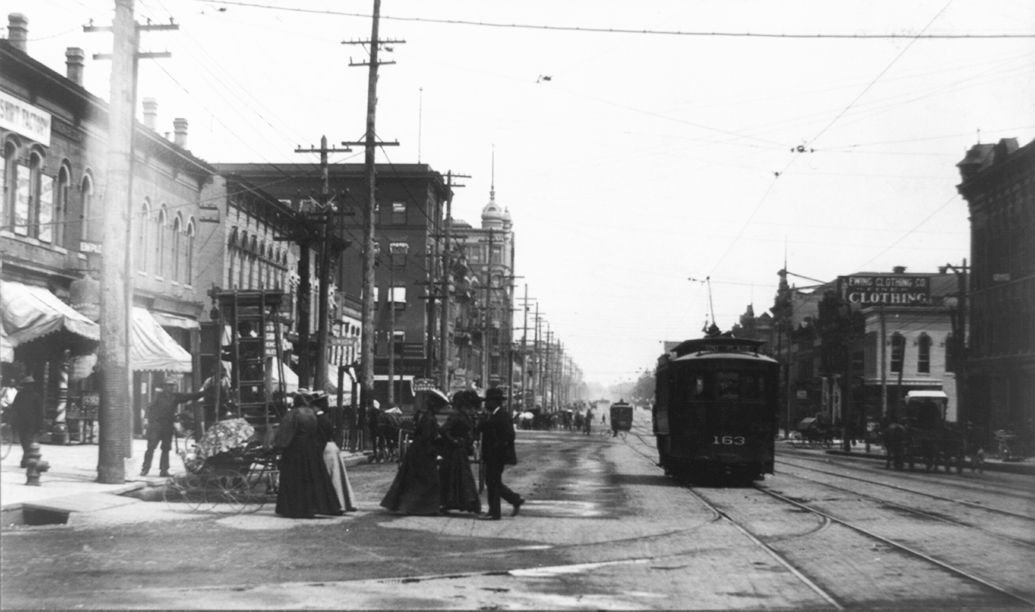
Granville Woods remains one of the most influential inventors in American history because of his groundbreaking contributions to communication and transportation technology. Many people ask, how did Granville Woods improve the telegraph, and the answer lies in his innovative systems that allowed trains to communicate while moving. His inventions solved major problems facing the railroad industry and helped create safer, more reliable transportation across the United States.
Understanding how did Granville Woods improve the telegraph also provides insight into the evolution of modern communication systems. Before Woods introduced his inventions, railway communication was slow and often unreliable. His creative ideas transformed telegraph technology by introducing new methods that improved efficiency, reduced accidents, and strengthened communication between train operators and railway stations.
Who Was Granville Woods?
Granville Woods was born in Columbus, Ohio, in 1856 and showed an interest in engineering from an early age. Although he had limited formal education, he gained practical experience by working in machine shops, railroads, and engineering positions. His determination and curiosity allowed him to become one of the most respected inventors of the nineteenth century, earning more than fifty patents throughout his remarkable career.
Woods focused on solving real-world transportation and communication problems through innovative electrical inventions. His work extended beyond telegraph systems and included railway signaling devices, electrical improvements, and transportation technology. Because of his impressive achievements and contributions to electrical engineering, many historians refer to him as the “Black Edison,” recognizing his lasting influence on American innovation.
The State of Telegraph Communication Before Granville Woods
Before Granville Woods introduced his inventions, telegraph systems depended entirely on fixed wires connecting stations along railroad routes. Train conductors often had to stop at stations to receive updated instructions from dispatchers. This slow communication process created delays, scheduling confusion, and increased the possibility of dangerous accidents, especially on busy railway lines where multiple trains operated simultaneously.
Railroad companies struggled to monitor the exact location of moving trains because communication only occurred at designated stations. Dispatchers had limited information about train positions once locomotives left the station. As railway networks expanded across the country, these communication challenges became increasingly serious, making safer and faster telegraph systems an urgent necessity for the growing transportation industry.
How Did Granville Woods Improve the Telegraph?
The answer to how did Granville Woods improve the telegraph begins with his revolutionary invention known as the induction telegraph. Patented in 1887, this remarkable system allowed messages to be transmitted between moving trains and nearby railway stations without requiring direct physical wire connections. By using electromagnetic induction, Woods created a communication system that greatly improved the speed and reliability of railroad operations throughout the United States.
Another important reason how did Granville Woods improve the telegraph became such an important historical question is because his Synchronous Multiplex Railway Telegraph enabled dispatchers to communicate with trains in real time. Instead of waiting for trains to reach stations, conductors could receive immediate updates while traveling. This breakthrough significantly reduced scheduling errors, prevented collisions, and increased overall railway efficiency.
Telegraphony and Communication Innovation
Granville Woods continued improving communication technology by inventing Telegraphony in 1885. This innovative device combined telephone and telegraph functions into a single communication system. For the first time, users could transmit voice conversations alongside traditional Morse code messages over one wire, making communication faster, more flexible, and more practical for businesses and transportation companies.
Telegraphony represented another major milestone in the history of electrical communication because it demonstrated Woods’ ability to improve existing technologies instead of replacing them completely. His invention helped organizations reduce equipment costs while increasing communication efficiency. These practical improvements further strengthened his reputation as one of America’s greatest inventors and innovators in electrical engineering.
How Granville Woods Improved Railway Safety

One of the greatest benefits of answering how did Granville Woods improve the telegraph is understanding how his inventions made railroad travel much safer. Before his induction telegraph, dispatchers had limited knowledge of train locations after they left a station. Woods’ communication system allowed operators to exchange messages with moving trains, helping prevent collisions and improving coordination between stations and conductors.
His technology also allowed railway companies to respond quickly to unexpected situations such as delays, weather conditions, or track obstructions. Instead of relying on outdated schedules, dispatchers could provide real-time instructions that kept trains operating efficiently. These improvements protected passengers, reduced costly accidents, and established new safety standards that influenced future railway communication systems around the world.
Granville Woods and Thomas Edison
Granville Woods’ remarkable inventions attracted attention from many well-known inventors, including Thomas Edison. Edison believed one of Woods’ communication inventions was similar to his own work and challenged Woods through a patent lawsuit. The legal battle became one of the most famous patent disputes in American history and highlighted the value of Woods’ groundbreaking innovations.
After reviewing the evidence, the court ruled in favor of Granville Woods, confirming that his induction telegraph was an original invention. This legal victory strengthened Woods’ reputation as a brilliant engineer and inventor. It also demonstrated that his work stood on its own merit, earning him greater respect within the scientific and engineering communities despite the challenges he faced during his career.
Other Important Inventions by Granville Woods
Although many people ask how did Granville Woods improve the telegraph, his contributions extended far beyond railway communication. Throughout his lifetime, Woods developed numerous inventions related to electrical systems, railway signaling, automatic braking devices, and electric rail transportation. His practical designs solved everyday transportation problems and helped improve the efficiency of public transit systems.
Among his best-known inventions were improvements to electric railway systems and advanced signaling equipment that increased operational safety. He also created devices that enhanced electrical distribution and transportation technology. These inventions demonstrated his remarkable ability to identify challenges and develop creative engineering solutions that benefited industries across the United States.
The Lasting Impact of Granville Woods’ Innovations
The influence of how did Granville Woods improve the telegraph can still be seen in today’s communication and transportation technologies. His induction telegraph introduced ideas that inspired later wireless communication systems, while his railway innovations established safer operating practices that continued to evolve throughout the twentieth century and beyond. His work helped shape the future of railroad communication.
Granville Woods also left a powerful legacy as one of America’s most accomplished African American inventors. His determination, creativity, and dedication to solving complex engineering problems continue to inspire students, historians, and inventors worldwide. Today, schools, museums, and engineering organizations recognize his achievements as an important chapter in American scientific and technological history.
Interesting Facts About Granville Woods
Granville Woods earned more than fifty patents during his lifetime, covering a wide range of electrical and mechanical inventions. His work included improvements in communication systems, transportation equipment, railway signaling, and electrical devices. Despite facing discrimination during his career, he remained committed to innovation and continued creating technologies that benefited industries across America.
Many historians consider Woods one of the greatest inventors of the nineteenth century because of the lasting impact of his work. His inventions influenced railway operations, inspired future communication technologies, and demonstrated the importance of practical engineering solutions. His story continues to motivate future generations to pursue innovation regardless of obstacles or challenges.
Conclusion
When people ask how did Granville Woods improve the telegraph, the answer goes far beyond a single invention. Through the induction telegraph, Telegraphony, and the Synchronous Multiplex Railway Telegraph, Woods transformed railroad communication by making it faster, more reliable, and significantly safer. His innovations allowed moving trains to communicate with stations in real time, reducing accidents and improving railway efficiency across the United States.
Granville Woods’ legacy remains an important part of American history because his inventions influenced both communication technology and transportation safety. His determination to solve real-world problems helped shape modern engineering and inspired countless inventors who followed. Learning how did Granville Woods improve the telegraph reminds us that one creative idea can change an entire industry and leave a lasting impact on future generations.
FAQs
How did Granville Woods improve the telegraph?
Granville Woods improved the telegraph by inventing the induction telegraph, allowing moving trains to communicate with railway stations without direct wire connections.
What was the induction telegraph?
The induction telegraph was a communication system that used electromagnetic induction to send messages between moving trains and railway stations.
What is Telegraphony?
Telegraphony was Woods’ invention that allowed voice communication and Morse code messages to travel over the same telegraph wire simultaneously.
Why was Granville Woods important to railroad safety?
His communication systems enabled dispatchers to monitor train locations in real time, reducing collisions and improving railway operations.
Did Granville Woods win a patent dispute against Thomas Edison?
Yes. Granville Woods successfully defended his induction telegraph patent against Thomas Edison, proving his invention was original.
You May Also Read: Estadísticas de Jugadores de Partidos de Atlanta Falcons Contra 49ers