

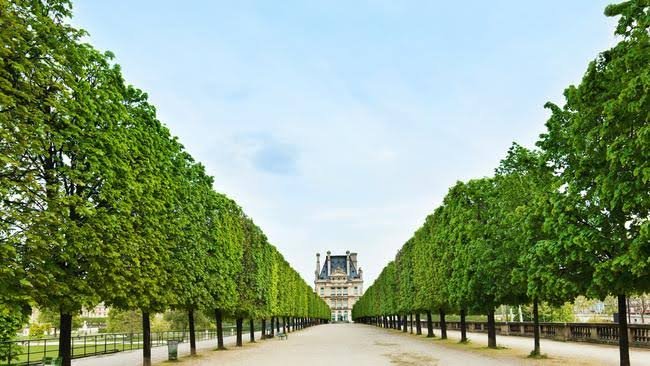
Paris is celebrated for its architecture, museums, and romantic streets, but one of its most impressive features is its urban greenery. Trees in Paris have shaped the character of the city for centuries, creating beautiful boulevards, peaceful gardens, and inviting public spaces that attract millions of visitors each year. Their presence transforms ordinary streets into memorable landscapes filled with shade and seasonal color.
Modern city planners recognize that urban trees are more than decorative additions. They improve air quality, support biodiversity, and reduce heat in crowded neighborhoods. As environmental concerns continue to grow, trees in Paris have become symbols of sustainability and smart urban planning, helping the city balance historic beauty with modern environmental goals.
The History Behind Parisian Trees
The history of Parisian trees stretches back hundreds of years, when royal gardens and public parks first became important parts of city life. Over time, leaders recognized the value of greenery for public health and city design. Large-scale planting projects gradually transformed Paris into one of Europe’s most recognizable urban landscapes.
During the nineteenth century, major redevelopment projects introduced wide boulevards lined with carefully selected tree species. These improvements created the elegant streetscapes that visitors admire today. Many of the trees planted during this period still stand proudly, connecting modern Paris with its rich architectural and cultural history.
The Most Common Trees Found Across Paris
Among the many species found throughout the city, plane trees are the most recognizable. Their large trunks and broad canopies provide welcome shade during warm summers while contributing to the classic appearance of Parisian streets. These trees adapt well to urban conditions, making them ideal choices for busy roads and public squares.
Horse chestnuts, linden trees, and ornamental cherries also contribute to the city’s natural beauty. Each species offers unique colors, textures, and seasonal displays that change throughout the year. Together, these trees create a diverse urban forest that supports wildlife while enhancing the experience of walking through Paris neighborhoods.
Famous Trees and Historic Landmarks
Some of the most remarkable trees in Paris are famous for their age and historical significance. One of the city’s oldest living trees is a black locust planted in the early seventeenth century. This remarkable specimen has survived centuries of political change, urban development, and environmental challenges while remaining an important symbol of resilience.
Visitors can also discover giant sequoias, rare chestnut trees, and protected veteran trees scattered throughout parks and gardens. These natural landmarks often receive less attention than monuments and museums, yet they tell fascinating stories about the city’s environmental history and commitment to preservation.
Tree-Lined Streets That Define Paris
Few cities are as closely associated with elegant tree-lined boulevards as Paris. Wide avenues framed by rows of mature trees create stunning views that have inspired artists, photographers, and writers for generations. These streets offer beauty during every season, from spring blossoms to colorful autumn leaves.
The design of these boulevards reflects careful urban planning that values both functionality and aesthetics. Trees reduce noise, improve walkability, and create cooler environments during hot weather. Their contribution to public comfort explains why so many visitors remember the streets themselves as major attractions.
Parks and Gardens Rich in Greenery
Public parks provide some of the best opportunities to appreciate the diversity of trees in Paris. Large gardens feature native and international species that thrive in carefully maintained environments. These green spaces offer residents and tourists quiet escapes from busy city streets while encouraging outdoor recreation and relaxation.
Many gardens also function as educational spaces where visitors can learn about botany, conservation, and urban ecology. Families often spend entire afternoons exploring shaded pathways and open lawns surrounded by mature trees. These experiences strengthen the connection between city residents and the natural world.
Urban Forest Projects and Sustainability
Environmental challenges have encouraged city officials to invest heavily in new planting initiatives and urban forest projects. These programs aim to increase tree coverage, reduce heat islands, and improve resilience against climate change. As a result, trees in Paris now play an even more important role in shaping future development strategies.
Several public squares and heavily populated areas have recently been redesigned to include larger numbers of trees and green spaces. These projects demonstrate how modern cities can respond to environmental pressures while improving quality of life. Paris continues to serve as an international example of sustainable urban planning.
Environmental Benefits of Urban Trees
Urban trees provide significant environmental benefits that extend far beyond appearance. They absorb carbon dioxide, trap pollutants, and release oxygen that contributes to healthier air for residents and visitors. Their canopies also reduce temperatures by creating shade and lowering the amount of heat absorbed by buildings and pavement.
Wildlife depends heavily on urban greenery for shelter and food sources. Birds, insects, and small animals thrive in healthy ecosystems supported by mature trees. By protecting and expanding its green spaces, Paris creates habitats that support biodiversity while improving environmental conditions throughout the city.
Experiencing Trees in Paris Throughout the Seasons
Each season offers a unique opportunity to appreciate the beauty of Parisian trees. Spring brings blossoms and fresh leaves that brighten parks and boulevards, while summer creates shaded pathways perfect for long walks and outdoor activities. Seasonal changes encourage visitors to return throughout the year.
Autumn transforms the city into a landscape of gold, orange, and red foliage that attracts photographers from around the world. Even winter highlights the architectural beauty of tree branches against historic buildings and monuments. This constant transformation is one reason why trees in Paris remain such an important part of the city’s identity.
Conclusion
The story of Paris cannot be told through architecture and history alone. Trees in Paris contribute equally to the city’s beauty, character, and environmental health. They create memorable experiences for visitors while improving everyday life for residents who depend on clean air, shade, and attractive public spaces.
As cities worldwide search for sustainable solutions, Paris demonstrates the importance of investing in urban forests and green infrastructure. The continued protection and expansion of these natural resources ensure that future generations will enjoy the same beauty and environmental benefits that define the city today.
FAQs
What are the most common trees in Paris?
Plane trees, horse chestnuts, linden trees, and ornamental cherry trees are among the most common species found throughout the city.
What is the oldest tree in Paris?
The oldest known tree is a black locust planted in the early seventeenth century that continues to survive today.
Why are tree-lined streets so famous in Paris?
They provide shade, improve beauty, and create the elegant atmosphere that visitors associate with the city.
Are urban forests growing in Paris?
Yes, the city has launched several major projects designed to expand tree coverage and improve sustainability.
When is the best time to explore trees in Paris?
Spring and autumn are especially popular because of blossoms, colorful foliage, and comfortable weather conditions.
You May Also Read: Menupilot